Low Voltage Dry-Type Distribution Transformer: Complete Guide to Specifications, Applications, and Maintenance
Time:2026-04-10 Auther:ZTelec-www.ztelectransformer.com
What Is a Low Voltage Dry-Type Distribution Transformer?
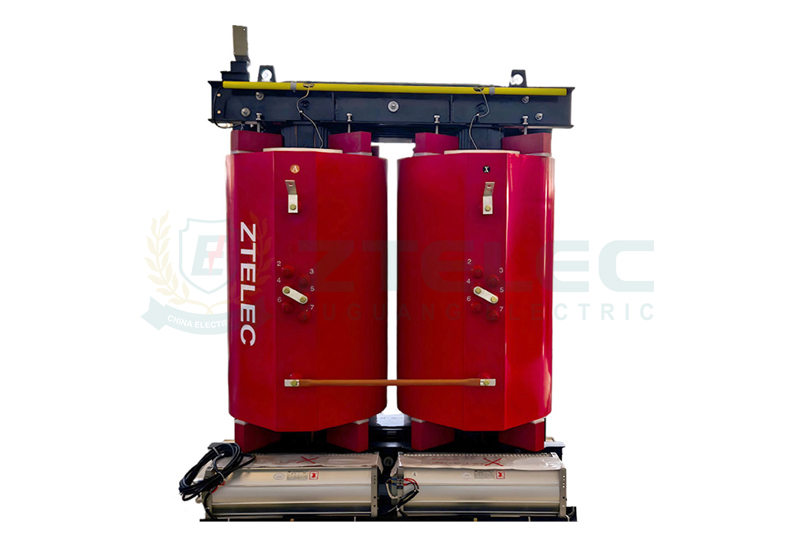
A low voltage dry-type distribution transformer refers to a distribution transformer that uses air or solid insulation materials such as epoxy resin instead of insulating oil for cooling and insulation. The primary voltage is typically 10kV or 6kV, and the secondary voltage is 400V (0.4kV), supplying power directly to end loads.
The core working principle is the same as conventional transformers—electromagnetic induction is used to convert AC voltage from one level to another. However, the insulation structure and cooling method differ significantly. The coil windings are vacuum-cast with epoxy resin or wrapped with fiberglass. Both the core and windings are exposed to air and dissipate heat through natural air convection or forced air cooling.

Main Models and Technical Specifications
The mainstream low voltage dry-type transformer series is SCB (three-phase resin cast dry-type transformer). Based on insulation class and energy efficiency level, models include SCB10, SCB11, SCB12, and SCB13.
| Capacity (kVA) | Primary Voltage (kV) | Secondary Voltage (V) | No-load Loss (W) | Load Loss (W) | Impedance (%) |
|---|---|---|---|---|---|
| 100 | 10 | 400 | 260 | 1580 | 4 |
| 200 | 10 | 400 | 420 | 2650 | 4 |
| 315 | 10 | 400 | 560 | 3800 | 4 |
| 500 | 10 | 400 | 760 | 5500 | 4 |
| 800 | 10 | 400 | 1050 | 7600 | 6 |
| 1000 | 10 | 400 | 1200 | 9200 | 6 |
| 1600 | 10 | 400 | 1700 | 13500 | 6 |
| 2000 | 10 | 400 | 1950 | 16000 | 6 |
| 2500 | 10 | 400 | 2200 | 18500 | 6 |
According to GB/T 10228 standards, SCB13 models reduce no-load loss by approximately 25 percent compared to SCB10, providing significant annual energy savings. For new projects, SCB13 or amorphous alloy core transformers such as SCBH15 are recommended.
Insulation Class Explanation
Common insulation classes for dry-type transformers include Class F (155°C) and Class H (180°C). For high ambient temperature or heavy load applications, Class H insulation is recommended. Indoor installations typically use IP20 protection, while dusty or humid environments require IP54 or higher.

Typical Applications
Low voltage dry-type transformers are widely used due to oil-free operation, flame retardancy, and compact size.
Commercial complexes and high-rise buildings: Can be installed directly in basements or vertical shafts without leakage risk, meeting fire safety requirements.
Industrial plants and data centers: Strong harmonic resistance, suitable for precision manufacturing and IDC rooms, especially with D,yn11 connection.
Metro and rail transit: Limited space and strict fire requirements make dry-type transformers ideal for traction and auxiliary power supply.
Hospitals and schools: No flammable liquid, compliant with civil building electrical standards.
Renewable energy stations: Used in photovoltaic and wind farm substations, particularly in containerized substations.
Temporary construction power supply: Easy relocation and fast installation for construction sites.
Installation Considerations
Ensure adequate ventilation and keep airflow unobstructed. Minimum clearance from wall should be 600 mm on sides and 800 mm at rear.
Ambient temperature should not exceed 40°C. Derating is required above 1000 meters altitude.
Foundation platform must be level and secure.
Verify phase sequence before energizing.
Measure insulation resistance before commissioning. HV to LV and ground should exceed 1000MΩ.
Install temperature controller and over-temperature alarm.

Operation and Maintenance
Routine Inspection
Check abnormal noise or vibration. Monitor temperature readings. Inspect epoxy casting surface for cracks or discoloration. Verify fan operation and airflow.
Periodic Cleaning
Dust accumulation reduces cooling efficiency. Use dry compressed air to clean core, windings, and ventilation channels. Do not use wet cloths.
Preventive Testing
| Test Item | Requirement |
|---|---|
| Insulation resistance | Above 70 percent of initial value |
| DC resistance | Deviation less than 2 percent |
| Partial discharge | Recommended after long-term operation |
| Bolt tightening | Check core clamps and grounding bolts |
Common Faults and Solutions
| Fault | Possible Cause | Solution |
|---|---|---|
| High operating temperature | Overload or poor ventilation | Reduce load and clean airflow |
| Insulation resistance drop | Humidity or cracks | Drying and ventilation |
| Abnormal vibration | Loose core bolts | Re-tighten and filter harmonics |
| Partial discharge marks | Epoxy cracks | Repair or replace winding |
Frequently Asked Questions
How to choose between dry-type and oil-filled transformer?
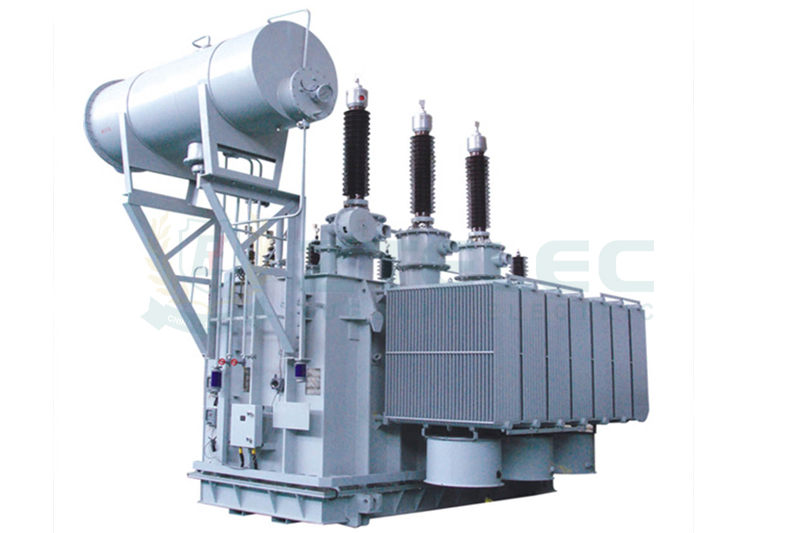
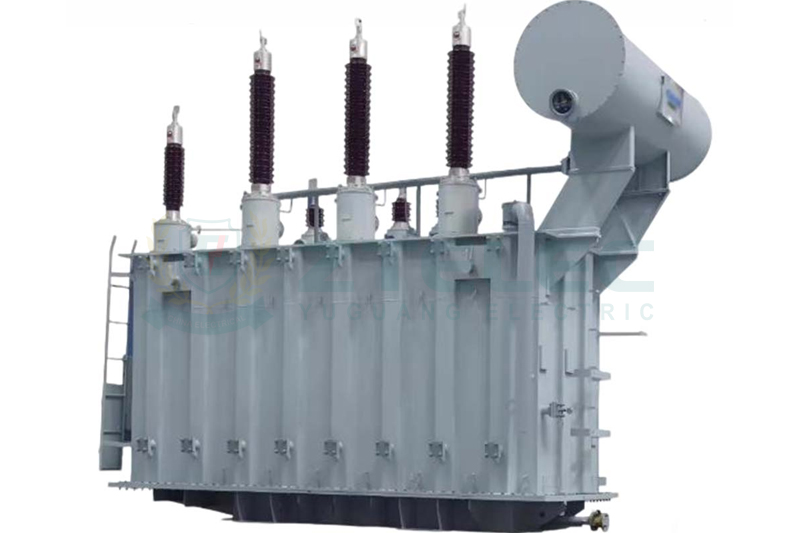
Dry-type transformers are preferred for indoor use, fire safety requirements, and limited maintenance conditions. Oil-filled transformers are suitable for large capacity and outdoor installations.
Can dry-type transformers be installed outdoors?
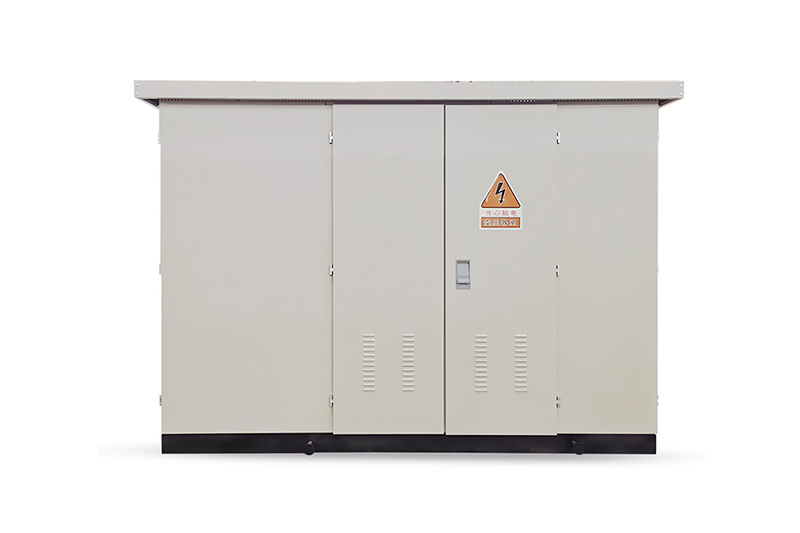
Outdoor installation requires weatherproof enclosure with IP45 or higher protection.
Service life of dry-type transformers?
Typical design life is about 30 years under normal conditions. Overheating significantly reduces insulation life.
When should a dry-type transformer be replaced?
Replacement is recommended when insulation resistance decreases, epoxy cracking occurs, service life exceeds 25 years, or load demand increases.
Low voltage dry-type distribution transformers are increasingly important in modern urban power distribution systems due to safety, environmental protection, and oil-free maintenance. Proper selection should consider capacity, insulation class, efficiency level, and installation environment. Regular inspection, cleaning, and testing are essential for reliable operation. With advancements in amorphous alloy cores and intelligent temperature control, dry-type transformers continue to improve energy efficiency and reliability.