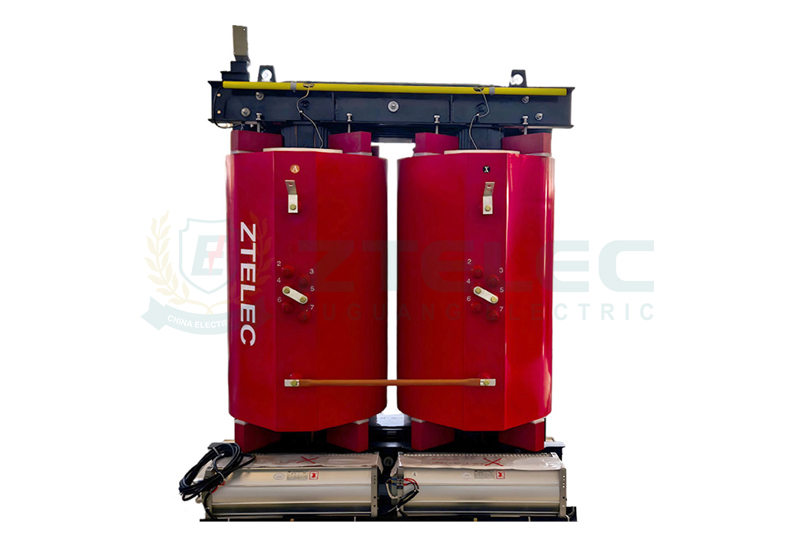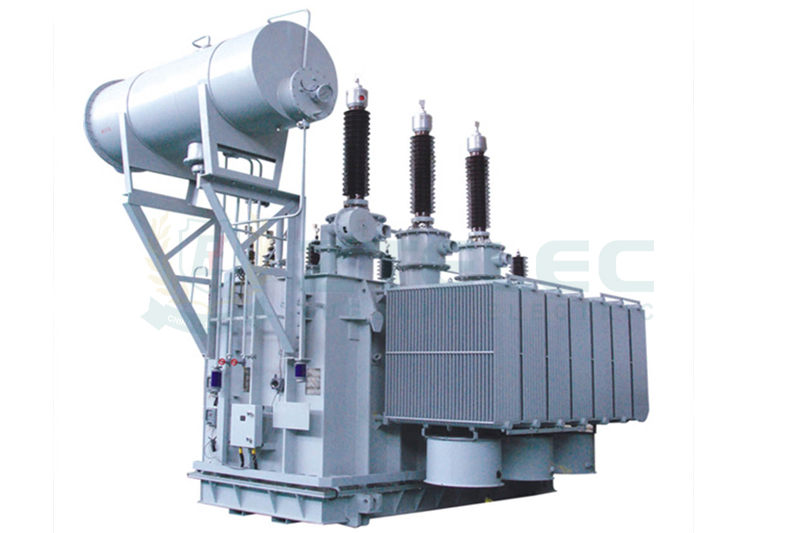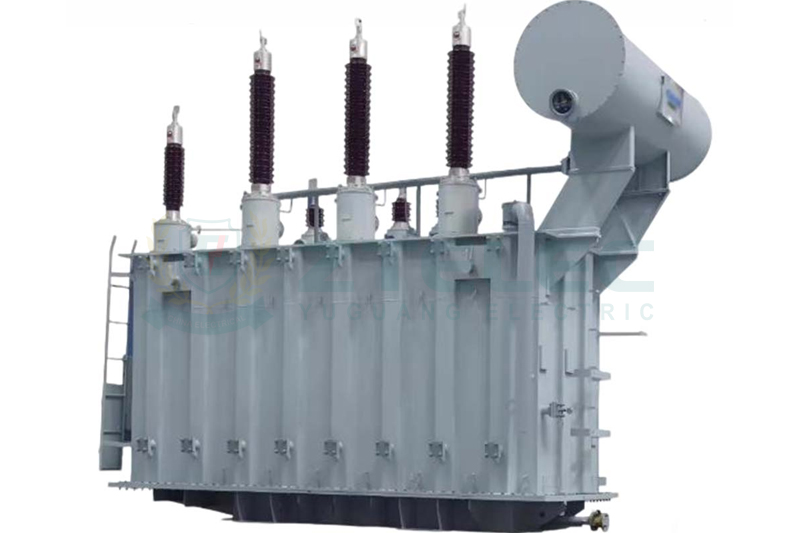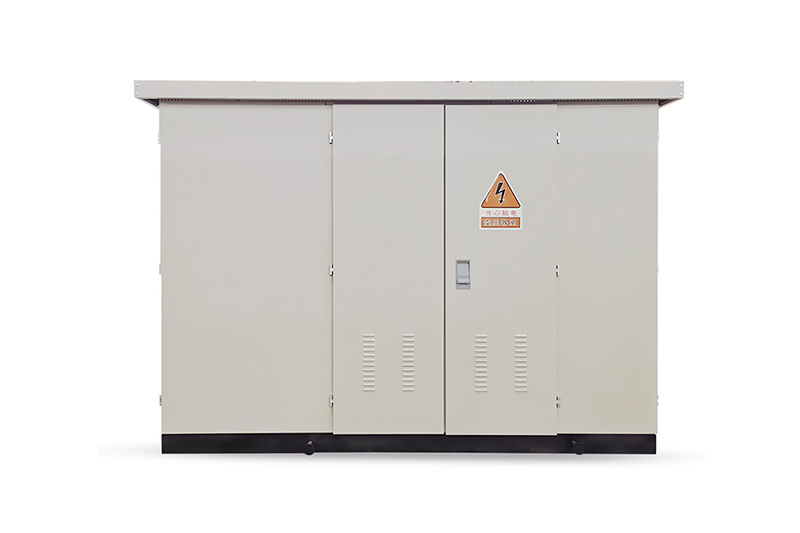
Manufacturer Direct vs Distributor: Which Dry Type Transformer Purchasing Channel Saves More Money in 2026?
Time:2026-06-24 Auther:ZTelec-www.ztelectransformer.com
“Buying directly from the manufacturer is always cheaper” is one of the most common assumptions in electrical equipment procurement. While this statement is partly true, it does not tell the entire story when it comes to dry type transformers.
Factory-direct pricing can be 15% to 35% lower than distributor quotations. However, freight charges, import duties, project timelines, technical support requirements, warranty service, and compliance risks can quickly reduce or even eliminate the apparent savings.
For EPC contractors, industrial facility managers, renewable energy developers, and international procurement teams, the right purchasing channel should be evaluated based on total landed cost rather than equipment price alone.
This guide compares manufacturer-direct purchasing and distributor sourcing across seven critical factors to help buyers make smarter procurement decisions in 2026.

Global Dry Type Transformer Market Trends in 2026
The dry type transformer market continues to experience significant changes driven by raw material costs, energy-efficiency regulations, and supply chain restructuring.
Copper prices remain elevated, while demand for grain-oriented electrical steel from renewable energy projects and electric vehicle infrastructure continues to increase manufacturing costs worldwide.
At the same time, stricter energy-efficiency requirements such as EN 50588-1 Tier 2 and AAA0-level efficiency standards are pushing manufacturers toward higher-grade core materials and lower-loss designs.
Many leading transformer manufacturers have also established assembly operations in Southeast Asia, creating a more complex global sourcing landscape where products may carry a Chinese brand but be manufactured in Vietnam, Thailand, or other regions.
As a result, procurement decisions now involve much more than comparing quotations.
Manufacturer Direct vs Distributor: Seven Key Comparison Factors
Equipment Price
Manufacturer-direct purchasing generally offers the lowest equipment price. Factory quotations are often 15% to 35% lower than local distributor prices because intermediary markups are eliminated.
Distributors typically add margins ranging from 10% to 30% depending on inventory costs, local service requirements, and market conditions.
Minimum Order Quantity
Manufacturers frequently impose minimum order values or quantity requirements, especially for customized transformers.
Local distributors usually offer greater flexibility and can often supply a single transformer without minimum purchase restrictions.
Lead Time
Factory-direct purchases generally require production time plus international transportation. Total lead times commonly range from 8 to 16 weeks.
Distributors often maintain local inventory, enabling delivery within one to three weeks for standard specifications.
Technical Communication
Local distributors provide communication in the buyer’s native language and often offer direct access to field engineers.
Manufacturer communication quality varies significantly and may depend on the supplier’s export experience.
After-Sales Service
Distributors typically offer faster on-site support, with response times ranging from 24 to 72 hours.
Factory-direct support may involve cross-border communication, travel arrangements, and longer response times.
Certification and Documentation
Manufacturers can provide original type-test reports, factory acceptance documentation, and certification records directly from the source.
Authorized distributors generally provide complete documentation, while non-authorized sellers may present compliance risks.
Customization Capability
Manufacturers offer significantly greater flexibility for customized voltage ratings, enclosure designs, insulation systems, cooling methods, and special application requirements.
Distributors usually focus on standard stock models with limited modification options.
The Real Cost Analysis: FOB Price Is Only the Beginning
Many buyers compare procurement channels using equipment prices alone. However, the most meaningful comparison is total landed cost.
Consider a project purchasing two 500 kVA dry type transformers with a factory FOB price of approximately USD 14,000 per unit.
Although the manufacturer-direct equipment cost may initially appear significantly lower, additional expenses such as international freight, customs duties, customs brokerage fees, inland transportation, and commissioning support must be included.
After accounting for these factors, the actual savings for small-volume purchases often decrease to only 5% to 12%.
For larger orders of five units or more, factory-direct procurement can generate savings of 18% to 28%, making direct sourcing substantially more attractive.
Three Hidden Risks of Buying Through Distributors
Specification Downgrading
Some non-authorized distributors may substitute lower-grade insulation systems, reduced dielectric ratings, or alternative materials in order to offer lower prices.
Buyers should always request original nameplate information and manufacturer-issued type-test reports for verification.
Certification Fraud
In highly regulated markets, forged or misused certification documents can create significant customs clearance and legal risks.
Certificates should be verified directly through the issuing certification body whenever possible.
Warranty Enforcement Problems
Distributor-issued warranties may not provide the same protection as manufacturer-backed warranties.
If the distributor ceases operations, obtaining warranty support may become difficult.
Buyers should request manufacturer warranty letters that explicitly support the distributor’s commitments.
Five Hidden Risks of Factory-Direct Purchasing
Quality Variations Between Samples and Production Units
Without proper inspection procedures, there is a risk that production units may not match approved samples.
Factory Acceptance Testing (FAT) and third-party inspections can significantly reduce this risk.
Lead Time Delays
Quoted production schedules may become longer during peak demand periods.
Purchase contracts should include delivery penalty clauses to protect project schedules.
Payment Risks
Many manufacturers require advance deposits and balance payments before shipment.
Letters of Credit and trade assurance platforms can help reduce financial exposure.
Export Compliance Issues
Certain specialized transformers may require export licenses or additional compliance approvals depending on the destination market.
Buyers should verify export eligibility during the quotation stage.
Limited Local Commissioning Support
International travel expenses for factory engineers can be substantial.
Commissioning responsibilities and associated costs should be clearly defined within the purchase contract.

Which Procurement Channel Is Best for Your Project?
Choose Manufacturer Direct Purchasing If:
Your project requires five or more transformers.
You need customized voltage ratings, enclosure designs, or insulation systems.
The project schedule allows at least 16 weeks before installation.
Your team has international procurement and import experience.
You can arrange FAT inspections or third-party factory audits.
Choose a Local Distributor If:
You need only one to three transformers.
Delivery is required within a few weeks.
Local language support and rapid field service are critical.
Your organization lacks experience evaluating overseas suppliers.
Local warranty support is required by project stakeholders.
An Alternative Option: Authorized Trading Agents
For medium-sized purchases of two to five transformers, authorized trading agents can provide a balanced solution.
These organizations operate with official manufacturer authorization while offering logistics coordination, documentation support, customs assistance, and local communication services.
Typical agency fees range from 3% to 6% of equipment value, making this option attractive for buyers seeking both cost efficiency and professional support.
Frequently Asked Questions
How much can I save by buying directly from a transformer manufacturer?
Factory-direct pricing can reduce equipment costs by approximately 15% to 35%. After accounting for transportation, duties, customs fees, and support services, actual project savings are typically between 10% and 25%.
Are distributor-supplied transformers lower quality?
Authorized distributors generally provide the same products and warranties as manufacturers. Quality concerns mainly arise when purchasing from non-authorized sellers.
What is the best option for purchasing one to three dry type transformers?
For small orders, local distributors often provide better overall value due to faster delivery, local support, and reduced logistics complexity.
Will dry type transformer prices increase in 2026?
Market prices are expected to remain influenced by copper costs, energy-efficiency regulations, and supply chain adjustments. High-efficiency transformer models are likely to experience modest price increases.
How can I verify a transformer supplier?
Review IEC 60076-11 type-test reports, ISO 9001 certification, factory audit reports, export records, and FAT inspection capabilities before placing an order.
There is no universally correct purchasing channel for dry type transformers. The most cost-effective solution depends on project size, delivery schedule, technical requirements, and risk tolerance.
Large-volume projects with flexible schedules often benefit from manufacturer-direct sourcing because the savings can be substantial.
Small-volume projects with tight deadlines frequently achieve better results through local authorized distributors due to faster delivery and stronger service support.
In many cases, combining factory-direct sourcing with professional trading agents or authorized distributors can provide the ideal balance between cost savings, compliance, and project reliability.
The smartest procurement strategy in 2026 is not simply choosing the lowest quotation—it is selecting the channel that delivers the lowest total landed cost while minimizing operational and compliance risks throughout the transformer’s lifecycle.