Oil-Immersed vs Dry-Type Transformer: Which Is More Cost-Effective for Your Project in 2026?
Time:2026-06-26 Auther:ZTelec-www.ztelectransformer.com
Why Transformer Selection Is More Complex in 2026
For more than a decade, transformer selection followed a simple rule: dry-type for indoor applications and oil-immersed for outdoor use. However, in 2026, this traditional approach is being challenged by three major structural changes in the global power equipment market.
First, copper prices remain at elevated levels, significantly increasing the manufacturing cost of dry-type transformers. In some specifications, the price gap between dry-type and oil-immersed units has widened to over 60%. Second, the enforcement of GB 20052-2020 energy efficiency standards has become stricter, accelerating the elimination of low-efficiency products. Third, green building certifications and carbon accounting systems such as LEED v4.1 and China Green Building Three-Star now include transformer losses in lifecycle energy evaluation.
As a result, procurement decisions can no longer rely solely on upfront purchase price. A full lifecycle cost (TCO) evaluation is required.

Key Differences Between Oil-Immersed and Dry-Type Transformers
Advantages of Oil-Immersed Transformers
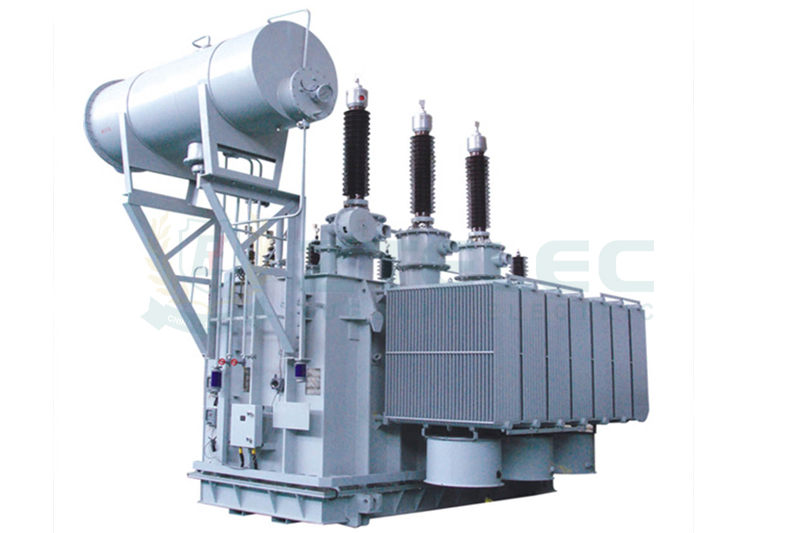
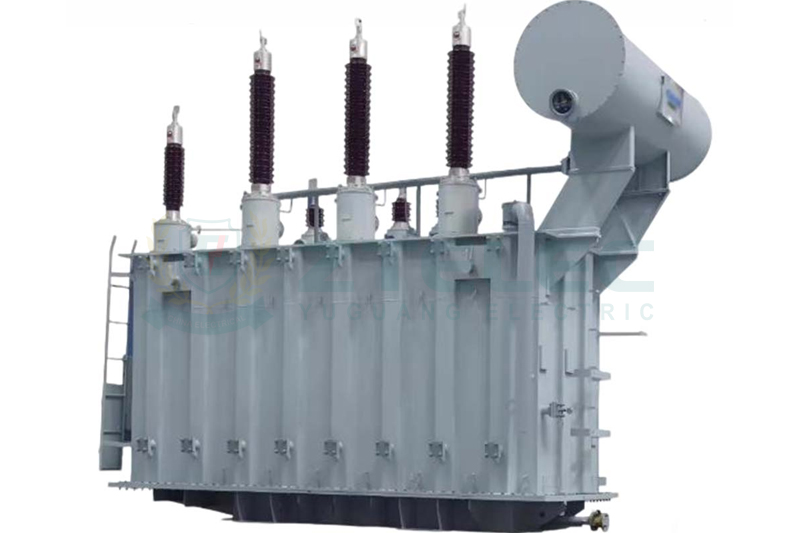
Oil-immersed transformers use mineral oil as both insulation and cooling medium, providing excellent heat dissipation and strong overload capacity, making them suitable for industrial distribution and outdoor installations.
Key advantages include lower initial cost, better no-load performance, and overload capability up to 140%.
Advantages of Dry-Type Transformers
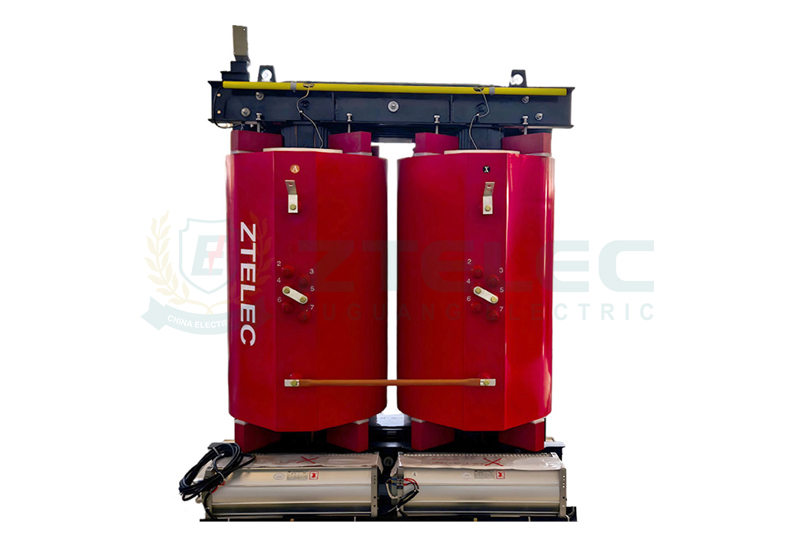
Dry-type transformers use epoxy resin or VPI insulation systems without insulating oil, offering higher fire safety ratings and suitability for indoor and populated environments.
Main advantages include low maintenance, zero leakage risk, and superior environmental adaptability.
2026 Transformer Procurement Cost Comparison
The following price ranges are based on Q2 2026 FOB China export market references, compliant with IEC 60076, GB 1094, and GB 20052-2020 Tier 2 efficiency standards.
| Capacity | Oil-Immersed (USD) | Dry-Type (USD) | Price Gap |
|---|---|---|---|
| 100 kVA | 2,200–3,500 | 3,500–5,200 | +50%–60% |
| 315 kVA | 5,000–8,000 | 8,000–12,000 | +40%–50% |
| 630 kVA | 7,500–11,000 | 11,000–16,000 | +35%–45% |
| 1000 kVA | 11,000–16,000 | 16,000–23,000 | +30%–45% |
| 2000 kVA | 20,000–28,000 | 28,000–40,000 | +30%–40% |
In 2026, sustained high copper prices continue to increase dry-type transformer costs. Some projects are considering aluminum winding alternatives to reduce costs by 15%–20%, subject to technical acceptance.

Hidden Cost: Civil Works and Fire Protection
Beyond equipment procurement cost, civil engineering and fire protection requirements significantly affect total project investment, especially for indoor oil-immersed installations.
| System Requirement | Dry-Type Transformer | Oil-Immersed Transformer |
|---|---|---|
| Independent transformer room | Not required | Required |
| 3-hour fire-rated wall | Not required | Required |
| Oil containment pit / oil sump | Not required | Required |
| Fire suppression system | Usually not required | Required depending on design |
| Additional civil cost | 0 | 10,000–30,000+ USD |
For indoor installations below 630 kVA, dry-type transformers often achieve lower total installed cost due to eliminated civil and fire protection requirements.
Energy Efficiency and Operating Losses
Transformer losses consist of no-load losses and load losses, directly impacting long-term electricity costs.
| Loss Type | Oil-Immersed | Dry-Type | Difference |
|---|---|---|---|
| No-load loss | 720–820 W | 820–950 W | Oil-immersed ~12% lower |
| Load loss | 6200–7000 W | 6000–7200 W | Minor difference |
| Annual energy cost | Approx. 800–1300 RMB/year | Low impact | |
Over a 20-year lifecycle, energy savings are significantly smaller than differences in procurement and civil costs, making efficiency a secondary selection factor.
Maintenance and Lifecycle Cost Analysis
Dry-type transformers require minimal maintenance, while oil-immersed units require periodic oil testing and servicing.
Annual maintenance cost: oil-immersed 500–1500 USD, dry-type 150–500 USD.
20-Year TCO Comparison (630 kVA)
Total cost of ownership for oil-immersed transformers is approximately 45,000 USD, while dry-type systems are around 37,000 USD. Dry-type solutions demonstrate clear advantages in indoor installations.
Application-Based Selection Guide for 2026
Commercial buildings, hospitals, and data centers are better suited for dry-type transformers due to safety and maintenance advantages, while industrial energy and utility networks typically prefer oil-immersed solutions.
The selection should be based on safety requirements, installation environment, initial investment, and long-term TCO evaluation.
Transformer selection in 2026 has shifted from experience-based judgment to full lifecycle cost analysis. Neither oil-immersed nor dry-type transformers are universally superior—the optimal choice depends on application scenario and cost structure.