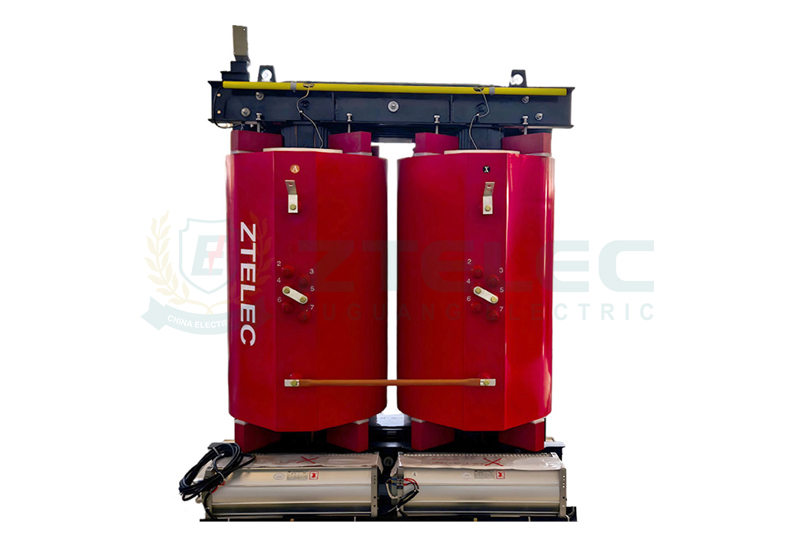
Sourcing Dry-Type Transformers from China for the U.S. Market: Tariffs, UL Certification, DOE Compliance, and Lead Time Guide
Time:2026-06-30 Auther:ZTelec-www.ztelectransformer.com
In recent years, rapid growth in U.S. data centers, AI infrastructure, renewable energy projects, energy storage systems, EV charging stations, and commercial construction has significantly increased demand for dry-type transformers. However, domestic transformer manufacturing capacity in the United States has struggled to keep pace, with lead times for many medium- and large-capacity transformers extending beyond one year, creating substantial challenges for project schedules.
Meanwhile, China has become one of the world’s largest manufacturing hubs for dry-type transformers, supported by a mature supply chain, advanced manufacturing capabilities, stable raw material availability, and extensive export experience. Increasing numbers of U.S. EPC contractors, electrical distributors, utility companies, and switchgear integrators are turning to Chinese manufacturers to secure reliable transformer supplies.
However, importing electrical equipment into the United States involves strict regulatory requirements. From tariff policies and UL certification to DOE energy efficiency regulations, logistics, lead times, and after-sales support, every stage can influence project costs and delivery schedules. This guide explains the key considerations U.S. buyers should evaluate when sourcing dry-type transformers from China.

Why Are More U.S. Companies Purchasing Dry-Type Transformers from China?
Compared with many Western manufacturers, China offers a highly integrated transformer supply chain covering grain-oriented electrical steel, copper conductors, epoxy resin insulation, and automated production equipment. This comprehensive manufacturing ecosystem delivers significant advantages in production efficiency, scalability, and cost competitiveness.
For standard transformer ratings, Chinese manufacturers typically offer considerably shorter production schedules while providing flexible OEM and ODM services, allowing customized solutions for data centers, hospitals, industrial facilities, commercial buildings, renewable energy plants, and infrastructure projects.
As more Chinese manufacturers obtain UL certification and establish internationally recognized quality management systems, Chinese-made dry-type transformers are now widely deployed across North America, Europe, the Middle East, and Southeast Asia, earning growing recognition for both quality and reliability.
Which U.S. Tariff Policies Affect Transformer Imports?
Tariffs remain one of the most important cost considerations for American importers.
In recent years, the United States has imposed Section 301 tariffs on various products manufactured in China. Certain electrical equipment and related components may be subject to additional import duties. Applicable tariff rates depend on product classification and Harmonized System (HS) codes, making accurate classification essential before procurement.
In addition to Section 301 tariffs, some electrical products may also be subject to anti-dumping or countervailing duty investigations. Since U.S. trade policies continue to evolve, buyers should consult customs specialists or international trade advisors before signing purchase agreements to minimize financial risk.
How Can Buyers Reduce Tariff Costs?
Proper international trade planning can significantly reduce overall procurement costs.
Importers should verify the correct HS classification before shipment to ensure compliance with U.S. customs regulations. Utilizing Foreign Trade Zones (FTZs) or bonded warehouse programs can also help optimize cash flow by delaying duty payments.
For large EPC projects, purchase agreements should clearly define tariff responsibilities through appropriate Incoterms such as FOB, CIF, or DAP, allowing buyers and suppliers to allocate import costs effectively.
Buyers should also monitor policy updates issued by the Office of the United States Trade Representative (USTR), as temporary tariff exclusions may become available for certain products or components.
Why Is UL Certification Essential for the U.S. Market?
UL certification is one of the most widely recognized electrical safety certifications in the United States and is frequently required by building owners, engineering firms, inspection authorities, and insurance providers.
For dry-type transformers, UL certification demonstrates compliance with U.S. electrical safety standards while improving market acceptance, accelerating project approvals, and reducing installation challenges.
Many data centers, hospitals, schools, government facilities, and commercial developments require transformers carrying valid UL certification before equipment can be installed and commissioned.

Which U.S. Standards Typically Apply to Dry-Type Transformers?
Depending on the application, dry-type transformers commonly require compliance with UL 1561 or UL 5085 safety standards.
In addition to UL certification, products should comply with U.S. Department of Energy (DOE) energy efficiency regulations, ensuring transformer losses meet the latest federal efficiency requirements.
Many projects also reference National Electrical Manufacturers Association (NEMA) standards to ensure compatibility with American engineering practices regarding dimensions, performance, and construction.
Hospitals, rail transit systems, mission-critical facilities, and projects located in seismic regions may additionally require seismic qualification, fire resistance certification, or other specialized testing based on local project specifications.
How Long Does UL Certification Take?
If a manufacturer already offers an established UL-certified transformer series, certification typically does not affect project lead times.
For newly developed products, however, the UL certification process generally includes engineering review, product testing, factory inspections, and ongoing compliance audits. Completing the entire process may require several months to a year.
Therefore, U.S. buyers are strongly encouraged to select manufacturers with mature UL-certified product lines to minimize project risk and shorten overall procurement schedules.
What Lead Time Advantages Do Chinese Manufacturers Offer?
Many U.S.-based transformer manufacturers currently quote lead times ranging from approximately 50 to 80 weeks for medium- and large-capacity dry-type transformers, with customized units often requiring even longer.
By comparison, Chinese manufacturers benefit from integrated supply chains and large-scale production capacity, enabling most standard dry-type transformers to be delivered within approximately 16 to 30 weeks. Certain standard models can be supplied even faster.
For EPC contractors, shorter manufacturing lead times improve project scheduling flexibility while reducing the risk of costly construction delays.
Which Factors Influence Overall Delivery Time?
Raw material availability remains one of the primary factors affecting manufacturing schedules. Supply conditions for grain-oriented electrical steel, copper conductors, and epoxy resin directly influence production planning.
Customization requirements also affect lead times. Special voltage ratings, non-standard capacities, IP54 or IP65 enclosures, corrosion-resistant coatings, high-altitude designs, and seismic requirements generally increase manufacturing time.
International shipping should also be carefully planned. Ocean freight from major Chinese ports such as Shanghai, Ningbo, and Shenzhen typically requires approximately 20 to 30 days to the U.S. West Coast and around 30 to 45 days to the East Coast, while port congestion and customs inspections may extend actual delivery times.
If the selected transformer has not yet obtained UL certification, buyers should also allow sufficient time for product testing and factory inspections, which remains one of the most common causes of project delays.
How Can Buyers Shorten Overall Procurement Time?
For major infrastructure projects, technical specifications should be finalized and production capacity reserved as early as possible during the engineering phase to avoid manufacturing bottlenecks.
Selecting existing UL-certified standard transformer models can significantly reduce both engineering approval and certification waiting periods.
Large projects may also benefit from phased manufacturing and partial shipments, allowing equipment to arrive on-site earlier and improving installation efficiency.
If the supplier operates warehouses, service centers, or distribution partners within the United States, commonly used transformer ratings may be available from local inventory, further reducing delivery times and improving after-sales responsiveness.
How Should U.S. Buyers Evaluate Chinese Transformer Manufacturers?
A qualified supplier should provide not only internationally certified products but also extensive experience exporting to North America and a robust quality management system.
Buyers should verify whether the manufacturer offers valid UL-certified transformer models, complies with DOE efficiency regulations, has experience designing according to both IEC and ANSI standards, possesses proven U.S. project references, and can provide complete technical documentation, test reports, certificates of origin, and comprehensive after-sales support.
Additional evaluation should include production capacity, manufacturing automation, delivery performance, quality traceability systems, and long-term supply capability to ensure reliable support for future projects.
For the U.S. market, sourcing dry-type transformers from China has become an increasingly practical solution for overcoming domestic supply shortages, reducing procurement costs, and shortening project lead times. Although importers must carefully navigate tariff policies, UL certification requirements, DOE regulations, and international logistics, China’s mature manufacturing capabilities, integrated supply chain, and continuously improving product quality have made Chinese manufacturers trusted partners for U.S. EPC contractors, utilities, industrial companies, and electrical distributors.
The key to a successful procurement strategy is early planning, selecting manufacturers with established UL-certified product lines, proven export experience, and reliable production capacity, while combining optimized trade terms and logistics planning. This approach enables buyers to achieve the best balance between cost, delivery schedule, and product quality, ensuring dependable power distribution solutions for America’s rapidly expanding electrical infrastructure.