Oil-Filled Self-Cooled Transformer: Working Principle and Applications
Time:2026-01-27 Auther:ZTelec-www.ztelectransformer.com
Oil-filled self-cooled transformers are one of the most widely used transformer types in power transmission and distribution systems. Thanks to their mature design, stable performance, and relatively low maintenance requirements, they are commonly applied in medium- and low-voltage networks as well as selected high-voltage applications.
This article provides a clear and practical explanation of how oil-filled self-cooled transformers work, their core components, typical applications, and key considerations for operation and maintenance.

Overview of Oil-Filled Self-Cooled Transformers
Oil-filled self-cooled transformers generally refer to oil-immersed transformers using the ONAN cooling method, which stands for Oil Natural Air Natural. In this design, the transformer core and windings are fully immersed in insulating oil, and heat dissipation relies entirely on natural oil circulation and air convection.
Because no external cooling devices such as fans or oil pumps are required, ONAN transformers feature a simple structure, high reliability, and quiet operation. These characteristics make them a standard solution for many power distribution scenarios.
Working Principle of Oil-Filled Self-Cooled Transformers
Electromagnetic Induction Principle
The basic operating principle of an oil-filled self-cooled transformer is electromagnetic induction. When the primary winding is connected to an alternating current power source, it generates an alternating magnetic field within the iron core.
This magnetic field is transferred through the laminated silicon steel core to the secondary winding, where it induces an alternating voltage. The voltage transformation ratio depends on the turns ratio of the windings, following the relationship V₁/V₂ = N₁/N₂.
Natural Cooling Mechanism
The cooling process of an oil-filled self-cooled transformer operates without auxiliary power. During normal operation, the windings and core generate heat due to copper losses and core losses.
This heat is transferred to the surrounding insulating oil. As the oil temperature rises, its density decreases and it naturally flows upward within the transformer tank. Heat is then released to the surrounding air through the tank walls and external cooling fins.
Once cooled, the oil density increases and the oil sinks back to the bottom of the tank, forming a continuous natural circulation loop that maintains thermal balance.
Cooling performance is influenced by factors such as heat dissipation surface area, oil quality and viscosity, ambient temperature, ventilation conditions, and the actual operating load.

Insulation System Functions
The insulating oil serves multiple roles beyond cooling. Its dielectric strength is significantly higher than that of air, providing effective electrical insulation between energized components.
At the same time, the oil acts as a heat transfer medium due to its high specific heat capacity and good thermal conductivity. It also helps protect internal metal parts from oxidation and suppresses partial discharge under normal operating conditions.
Main Components of an Oil-Filled Self-Cooled Transformer
The transformer core is made from high-permeability silicon steel laminations designed to minimize eddy current and hysteresis losses. Windings are typically constructed from copper or aluminum conductors with layered insulation.
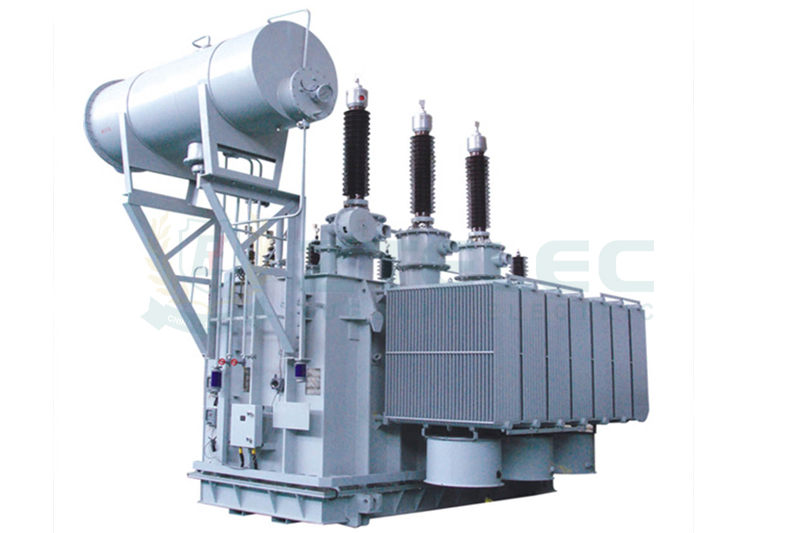
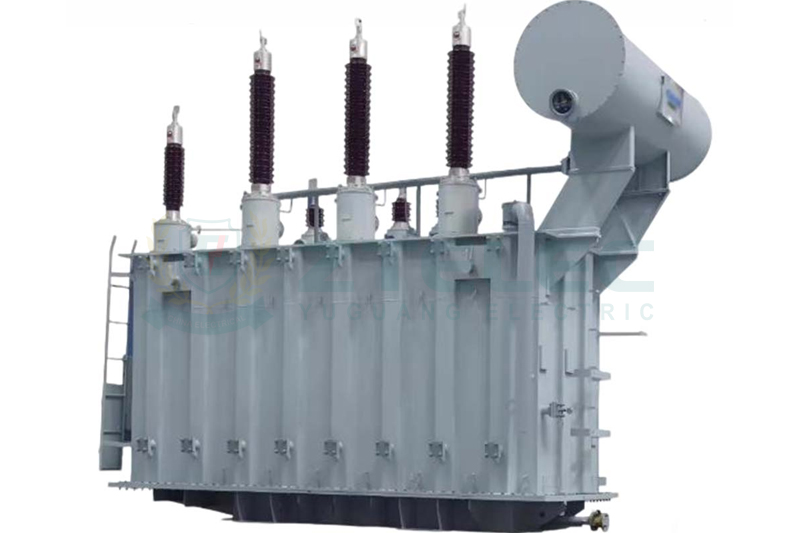
All active components are housed in a sealed steel tank filled with insulating oil. External heat dissipation fins or pipes increase the cooling surface area and improve natural convection.
Additional components include bushings for high- and low-voltage connections, oil level indicators, thermometers, and pressure relief devices that enhance operational safety and monitoring.
Typical Applications
Oil-filled self-cooled transformers are widely used in urban and rural power distribution networks, industrial facilities, commercial buildings, municipal infrastructure, residential communities, and small to medium-capacity substations.
They are particularly suitable for environments with relatively stable operating conditions and high requirements for long-term power supply reliability.

Maintenance and Troubleshooting
Routine Maintenance
Regular inspections are essential for reliable operation. Monthly checks usually focus on oil level, leakage, and abnormal operating noise. Annual inspections often include insulating oil testing and bushing cleaning.
Periodic electrical tests, such as winding resistance measurement and insulation resistance testing, help identify potential issues at an early stage.
Common Faults and Solutions
Excessive oil temperature may result from overload, insufficient heat dissipation, or internal faults. Reducing load, checking cooling surfaces, and arranging professional inspection are typical corrective actions.
Deterioration of insulating oil performance is often caused by oxidation, moisture ingress, or localized overheating. Oil analysis, filtration, or replacement can restore insulation performance.
Abnormal operating noise may indicate loose components or partial discharge. In such cases, immediate shutdown and comprehensive inspection are recommended.
Key Considerations for Selection and Use
When selecting an oil-filled self-cooled transformer, it is important to match rated capacity with actual load conditions, consider ambient temperature and ventilation, and ensure appropriate insulation class and voltage level.
Compliance with relevant standards such as IEC, IEEE, or GB should also be confirmed. Proper selection and operation can significantly extend service life and improve overall power system efficiency.
Oil-filled self-cooled transformers combine proven technology, stable operation, and cost-effective performance, making them a core component of modern power distribution systems.
A clear understanding of their working principles, application characteristics, and maintenance requirements helps users make informed decisions and ensures safe, long-term operation of electrical networks.