Protection Measures for Dry Type Transformers in Modern Power Systems
Time:2026-01-26 Auther:ZTelec-www.ztelectransformer.com
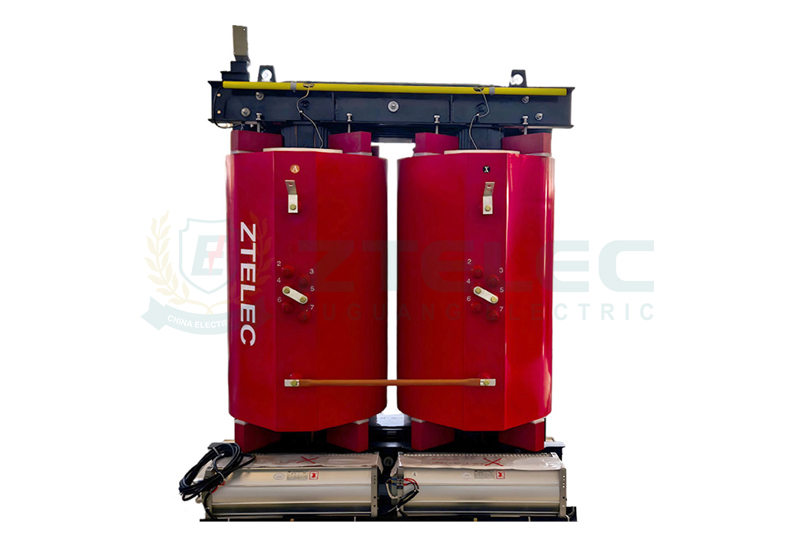
With the rapid development of urban infrastructure and increasing levels of industrial automation, dry-type transformers have become a common choice in modern power systems. Their advantages in fire safety, environmental performance, and low maintenance requirements make them widely used in applications where operational reliability is critical.
Compared with oil-immersed transformers, dry-type transformers place higher demands on operating conditions and protection systems. A well-designed protection strategy is essential to ensure long-term stable operation. This article introduces the main protection measures for dry-type transformers in modern power systems, helping users reduce operational risks and improve equipment reliability.

The Importance of Dry-Type Transformer Protection
Dry-type transformers are extensively used in high-rise buildings, data centers, hospitals, rail transit systems, and renewable energy projects. Once a fault occurs, it may lead to power interruptions, equipment damage, or even safety incidents.
Systematic protection design helps prevent risks caused by overheating, overload, short circuits, insulation deterioration, environmental factors, and improper operation. Effective protection not only improves operational safety but also extends the service life of the transformer.
Temperature Monitoring and Overheat Protection
Temperature control is one of the most critical protection measures for dry-type transformers. Excessive temperature directly accelerates insulation aging and may lead to serious failures.
Temperature monitoring is typically achieved by installing PT100 or PTC sensors inside the transformer windings. These sensors continuously track winding temperature and transmit data to a temperature controller.
When the temperature reaches preset alarm or trip thresholds, the controller can issue warnings or automatically disconnect the power supply. For forced air-cooled transformers, the cooling fans are started or stopped automatically according to temperature changes, ensuring efficient heat dissipation.
Effective temperature monitoring significantly reduces the risk of insulation damage and fire accidents.
Electrical Protection Systems
Electrical protection is essential for preventing damage caused by abnormal current or voltage conditions. Overcurrent protection includes time-delayed protection for overload conditions and instantaneous protection for short-circuit faults.
Differential protection compares the current at the transformer’s input and output terminals to detect internal winding faults. Ground fault protection monitors zero-sequence current to identify single-phase grounding issues in time.
In addition, overvoltage and undervoltage protection prevent damage caused by unstable grid conditions, helping maintain safe and stable transformer operation.
Insulation and Partial Discharge Protection
Dry-type transformers rely on solid insulation materials, and insulation performance plays a decisive role in operational stability. High-quality insulation systems typically use F-class or H-class materials to withstand elevated temperatures.
Optimized winding design helps reduce local electric field concentration and minimize partial discharge. Partial discharge testing is normally carried out during factory acceptance to ensure the transformer meets safety standards before installation.
Reliable insulation and effective partial discharge control form the foundation for long-term, stable transformer operation.

Environmental Monitoring and Protection
Environmental conditions have a direct impact on the performance of dry-type transformers. In humid environments, humidity sensors are used to monitor moisture levels, while anti-condensation heaters help prevent moisture buildup on insulation surfaces.
Dust and pollution protection is achieved by selecting appropriate enclosure protection levels, such as IP20 or higher. Regular cleaning and maintenance help maintain cooling efficiency and insulation performance, while enclosed cooling systems are recommended for heavily polluted environments.
Fire prevention is another critical consideration. Flame-retardant or self-extinguishing insulation materials reduce fire risk, while smoke detectors and fire alarm systems provide early warning. Proper fire safety planning, including clear evacuation routes and firefighting equipment, further enhances system safety.
Intelligent Monitoring and Predictive Maintenance
Modern dry-type transformers increasingly adopt intelligent monitoring systems. Online monitoring platforms collect real-time data on temperature, current, voltage, and vibration, providing continuous visibility into operating conditions.
By analyzing historical and real-time data, abnormal trends can be identified early. Condition assessment models evaluate insulation aging and estimate remaining service life, supporting predictive maintenance planning.
Remote monitoring and diagnostics based on IoT technology allow engineers to access system data off-site, improving fault response speed and reducing maintenance costs.
In modern power systems, the safe and reliable operation of dry-type transformers depends on the coordinated application of multiple protection measures. Temperature control, electrical protection, insulation safety, environmental management, fire prevention, and intelligent monitoring all play essential roles.
Scientific protection design and proper configuration help improve power supply stability, reduce operational risks, and lower long-term maintenance expenses.
Professional Dry-Type Transformer Protection Solutions
We provide comprehensive dry-type transformer and protection solutions, including equipment selection, system integration, intelligent upgrades, and maintenance support. Our technical team develops tailored protection strategies based on actual project requirements.
For new project planning, existing system upgrades, or professional protection solutions, please contact us for detailed technical support and consultation.