Oil-Immersed Transformer Failure Analysis: Common Causes and Systematic Prevention Strategies
Time:2026-04-30 Auther:ZTelec-www.ztelectransformer.com
Oil-immersed transformers are widely used in power plants, substations, and industrial distribution systems due to their excellent insulation performance and efficient heat dissipation. However, once a failure occurs, it can result in significant economic losses and may even lead to fire or explosion hazards. Understanding failure mechanisms and implementing systematic preventive measures are essential to ensure long-term reliable operation of power systems.

Main Types of Transformer Failures
Winding Faults
Winding faults are the most common failure type, including inter-turn short circuits, layer-to-layer faults, open circuits, and winding-to-ground faults. Once insulation between turns is damaged, circulating currents form locally and generate rapid overheating. If protection does not operate in time, it may lead to winding burnout or even catastrophic failure. Open-circuit faults typically occur at lead connections or coil ends due to mechanical stress, thermal fatigue, or corrosion. Ground faults are often caused by insulation aging or moisture ingress.
Core Faults
Core-related issues mainly include multiple grounding points and localized overheating. Under normal conditions, the core should be grounded at a single point. Multiple grounding can create circulating currents, leading to abnormal temperature rise. In addition, poor lamination quality, insulation damage, or loose clamping structures may increase eddy current losses and create hot spots.
Insulating Oil Degradation
Transformer oil serves both as an insulating medium and a cooling agent. Its degradation directly affects equipment safety. Long-term exposure to oxygen leads to oxidation, forming acids and sludge that corrode insulation materials. Excess moisture significantly reduces dielectric strength, while particulate contamination can create conductive paths and increase partial discharge risk.
Bushing Failures
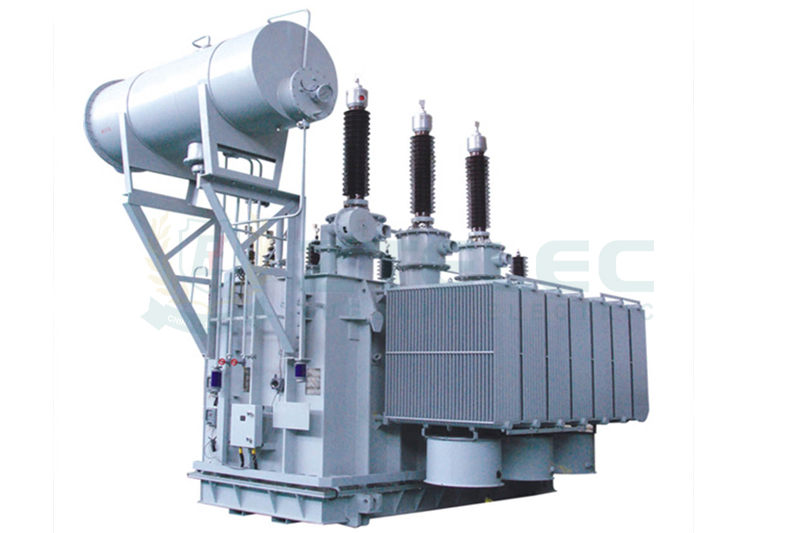
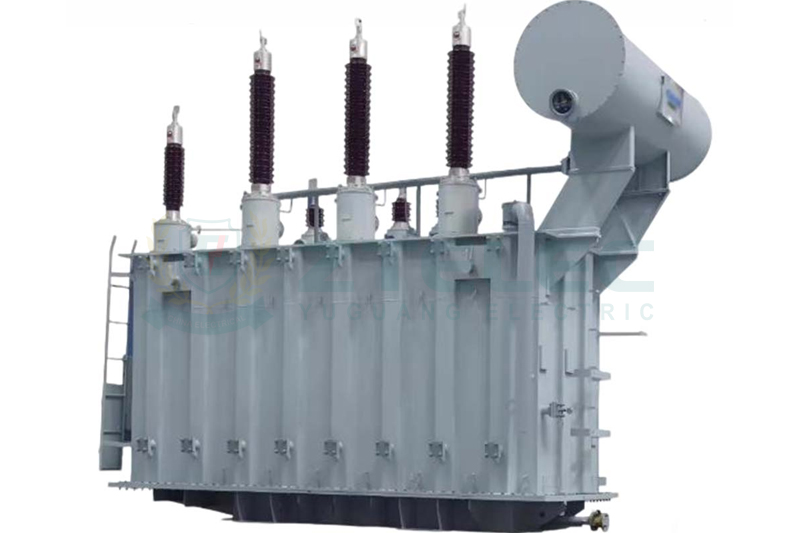
Bushings are critical components for electrical connections between internal and external circuits. Failures are often associated with seal aging, moisture ingress, or grounding issues in the capacitive layers. Once flashover occurs, the fault develops rapidly and may result in phase-to-phase or ground faults.
Tap Changer Failures
On-load tap changers (OLTC) operate under energized conditions and are prone to contact wear, increased contact resistance, and oil contamination from arc by-products. Off-load tap changers, on the other hand, may suffer from contact oxidation due to infrequent operation, leading to arcing during switching.

Root Cause Analysis
Insulation aging is one of the primary causes of transformer failure. According to thermal aging principles, even a moderate temperature increase can significantly accelerate insulation degradation. Long-term overloading or inadequate cooling can hasten this process.
Moisture ingress is another major threat, typically caused by breather failure, sealing degradation, or improper maintenance practices. Moisture reduces dielectric strength and weakens the mechanical integrity of insulation.
Overvoltage events, such as lightning strikes or switching surges, impose transient electrical stress on insulation systems, potentially leading to breakdown or latent defects.
Short-circuit currents generate strong electromagnetic forces that can deform windings. Repeated stress accumulation may eventually compromise insulation integrity.
Manufacturing defects and installation damage can also contribute to early-stage failures, often becoming evident during commissioning or load fluctuations.
Systematic Preventive Measures
Establishing a routine insulating oil testing program is fundamental. Key parameters include breakdown voltage, moisture content, acidity, and dissolved gas levels to ensure oil quality remains within acceptable limits.
Proper maintenance of the cooling system is essential, including radiator cleaning, inspection of oil pumps and fans, and verification of control system functionality.
Breathers and sealing systems should be regularly maintained to prevent moisture ingress into the transformer tank.
Protective devices must be periodically tested, including gas relays, differential protection, and temperature monitoring systems, to ensure reliable operation under fault conditions.
For critical transformers, implementing online monitoring systems enables real-time tracking of key parameters such as dissolved gases, partial discharge, and temperature, allowing early fault detection.
During maintenance, strict operational procedures should be followed to minimize exposure time and prevent contamination or moisture absorption.
Key Diagnostic Tool: Dissolved Gas Analysis (DGA)
Dissolved Gas Analysis is one of the most effective methods for early detection of internal transformer faults. Different fault types generate characteristic gas patterns. By analyzing gases such as hydrogen, acetylene, methane, and carbon monoxide, it is possible to identify conditions like partial discharge, overheating, or arcing faults.
When combined with international diagnostic methods and trend analysis, DGA provides a reliable basis for condition assessment and maintenance planning, significantly reducing the risk of unexpected failures.
Preventing failures in oil-immersed transformers requires a comprehensive lifecycle approach, covering design, operation, monitoring, and maintenance. Effective oil management and cooling system upkeep form the foundation, while online monitoring and gas analysis provide early warning capabilities.
Transitioning from time-based maintenance to condition-based maintenance is the most effective strategy to reduce unplanned outages, extend equipment life, and enhance overall power system reliability.