Natural Ester Oil-Immersed Transformer: Principles, Advantages and Application Guide
Time:2026-04-28 Auther:ZTelec-www.ztelectransformer.com
As the global energy structure continues to upgrade and carbon neutrality goals accelerate, safety, environmental protection, and life-cycle economy of power equipment have become key decision-making factors for modern projects. Natural ester oil-immersed transformers, as a new generation of green power equipment, are becoming an important choice for urban power distribution, renewable energy projects, and high-safety applications due to their high fire point, excellent fire resistance, high biodegradability, and extended insulation life.

What Is a Natural Ester Oil-Immersed Transformer?
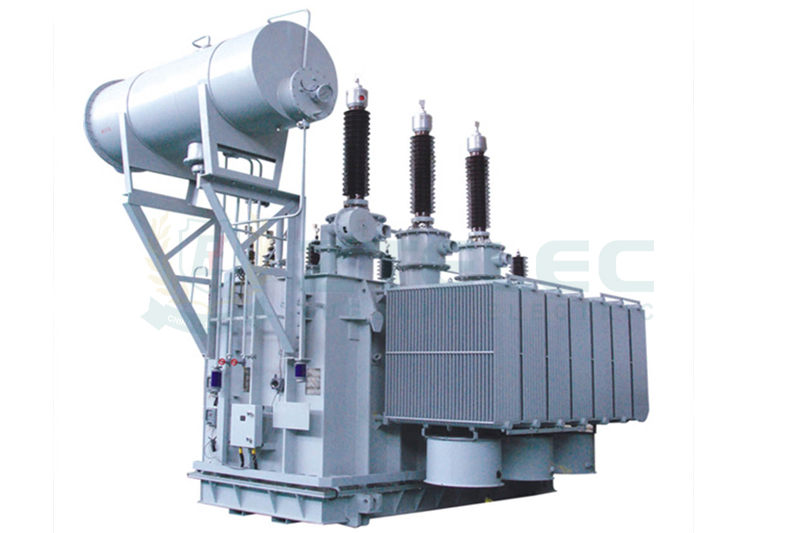
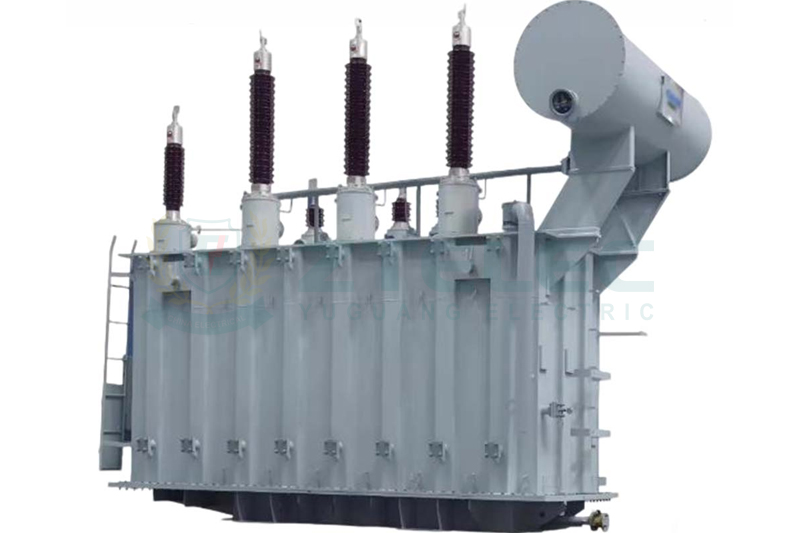
A Natural Ester Oil-Immersed Transformer, also known as a vegetable oil transformer or biodegradable transformer, uses natural ester insulating liquid instead of traditional mineral oil as the cooling and insulation medium.
Natural ester insulating oil is usually refined from plant-based raw materials such as soybean oil, rapeseed oil, and sunflower oil. It features renewability, biodegradability, and a high fire point. Compared with traditional mineral oil transformers, natural ester transformers perform significantly better in fire safety, environmental protection, and equipment lifespan, and are now widely used in high-end power projects worldwide.
Core Characteristics of Natural Ester Insulating Oil
The performance of natural ester oil directly determines the operating quality of the transformer. One of the most representative products in the industry is FR3™ insulating fluid from Cargill, which has become an important benchmark for natural ester transformer performance.
High Fire Point and Low Flammability
The fire point of natural ester oil usually exceeds 300°C, while traditional mineral oil is only around 150°C. Its flash point is generally above 330°C. Even when an internal transformer fault causes an electric arc, natural ester oil is extremely difficult to ignite, significantly reducing fire risks.
Therefore, natural ester oil-immersed transformers are especially suitable for hospitals, schools, commercial complexes, data centers, subway stations, and underground substations where people gather densely.
Excellent Biodegradability
The biodegradation rate of natural ester oil within 21 days usually exceeds 97%, while mineral oil is only about 30%. If leakage occurs, natural ester oil can quickly decompose in soil and water with minimal environmental impact.
This makes it an ideal solution for water source protection areas, ecological parks, national parks, and environmentally sensitive zones.
Stronger Moisture Tolerance
Natural ester oil has a moisture absorption capacity approximately 7 to 10 times higher than mineral oil. Moisture is one of the major causes of transformer insulation aging. Natural ester oil can effectively absorb moisture from insulation paper and safely retain it, significantly slowing down insulation system aging.
Excellent Thermal Stability
Under high-temperature operating conditions, natural ester oil still maintains excellent insulation performance and chemical stability. Its hot-spot temperature tolerance is better than that of traditional mineral oil, making it more suitable for large power distribution systems operating continuously under full load.
Main Advantages of Natural Ester Oil-Immersed Transformers
Extended Transformer Service Life
A large number of engineering practices show that the aging speed of insulation paper in natural ester transformers is about 5 to 8 times slower than that in mineral oil transformers. Under the same operating conditions, the expected service life can be extended to 40 to 50 years or even longer, significantly reducing total life-cycle costs.
Improved Fire Safety Rating
Due to its extremely high fire point, natural ester oil is classified as a K-class high fire point liquid insulation medium under international standards, complying with key standards such as IEC 61099 and IEEE C57.147.
In projects with strict fire protection regulations, using natural ester transformers can reduce investments in fire separation walls, explosion-proof walls, and additional fire protection facilities, effectively lowering civil construction costs.
Supporting Green and Low-Carbon Development
Natural ester oil comes from renewable plant resources, and its production process generates significantly lower carbon emissions than traditional petrochemical mineral oil. Combined with the global green energy transition trend, natural ester transformers have become important equipment for green power grids, low-carbon industrial parks, and sustainable development projects.
Reduced Environmental Compliance Risks
Traditional mineral oil transformers usually require oil collection pits and anti-leak containment systems. Since natural ester oil is highly biodegradable, environmental protection requirements are greatly simplified, effectively reducing civil engineering work and total investment costs.

Comparison Between Natural Ester Transformers and Mineral Oil Transformers
| Performance Index | Natural Ester Transformer | Mineral Oil Transformer |
|---|---|---|
| Fire Point | >300°C | About 150°C |
| Biodegradation Rate (21 Days) | >97% | About 30% |
| Insulation Paper Life | Extended by 5 to 8 Times | Baseline Level |
| Environmental Risk | Very Low | Relatively High |
| Initial Purchase Cost | Slightly Higher (10% to 20% Higher) | Lower |
| Total Life-Cycle Cost | Lower | Higher |
| Applicable Locations | Indoor, Sensitive Areas, High-Safety Sites | General Outdoor Areas |
| Applicable Standards | IEC 62770 / IEEE C57.147 | IEC 60296 |
Main Application Scenarios
Urban Core Areas and Underground Substations
In city centers where land resources are limited, substations are often built underground or inside buildings. Natural ester transformers significantly improve fire safety while reducing the cost of firewalls, explosion-proof doors, and other auxiliary facilities.
Hospitals, Schools, and Data Centers
These critical facilities require extremely high power supply continuity and personnel safety. Natural ester transformers provide higher safety levels and longer service life, making them especially suitable for projects with continuous operation and limited maintenance windows.
Renewable Energy Projects
Wind farms, photovoltaic power stations, and energy storage projects are often located in environmentally sensitive areas. The high biodegradability of natural ester oil effectively prevents soil and groundwater pollution caused by oil leakage, making it increasingly popular among renewable energy developers.
Ports, Harbors, and Offshore Platforms
Marine environments require extremely high standards for equipment corrosion resistance and environmental protection, where oil leakage control is especially critical. Natural ester oil is an ideal choice for port power systems and offshore wind farm booster substations.
Old Transformer Retrofit Projects
Some manufacturers provide retro-filling services that replace mineral oil with natural ester oil without replacing the transformer body itself. This improves safety and insulation life at a relatively low upgrade cost.
Selection and Procurement Considerations
Confirm Insulating Oil Standard Certification
It is recommended to prioritize natural ester insulating oil that complies with international standards such as IEC 62770 and ASTM D6871, and has fire safety certifications such as FM Approved to ensure safety and international project compatibility.
Pay Attention to Transformer Body Compatibility
Natural ester oil has higher viscosity than mineral oil, placing higher requirements on the cooling system, sealing materials, and heat dissipation structure. Manufacturers must carry out specialized compatibility design to avoid leakage or insufficient cooling during operation.
Focus on Maintenance and Testing Cycles
Natural ester oil is more sensitive to oxidation, and sealing systems require higher standards. Regular oil quality testing is recommended, including moisture content, acid value, dielectric loss factor, and breakdown voltage.
Comprehensive Life-Cycle Cost Evaluation
Although the initial purchase cost of natural ester transformers is slightly higher, considering longer equipment life, simplified fire protection facilities, lower maintenance costs, and reduced environmental compliance risks, the overall economic performance is usually better than traditional mineral oil solutions.
Industry Development Trends
With the continuous advancement of global carbon neutrality strategies and accelerated urbanization, the market size of natural ester transformers continues to grow steadily. Industry data shows that the global natural ester insulating oil market is expected to maintain an annual growth rate of more than 8% over the next five years, with China, Europe, and Southeast Asia becoming the fastest-growing core markets.
At present, many mainstream transformer manufacturers worldwide have launched mature natural ester transformer product series, and related national standards and industry regulations are continuously improving. In the next decade, natural ester oil-immersed transformers will gradually evolve from high-end differentiated products into mainstream solutions for urban power distribution networks and special application scenarios.
With their three core advantages of high fire point, strong biodegradability, and extended solid insulation life, natural ester oil-immersed transformers are redefining modern power systems’ standards for safety and environmental protection.
For enterprises seeking to improve power supply safety levels, reduce environmental compliance risks, and achieve green low-carbon operations, natural ester transformers are not only equipment upgrades but also long-term strategic investments.
In actual project selection, it is recommended to comprehensively evaluate application scenarios, fire protection regulations, environmental policies, and total life-cycle costs to choose the most suitable solution for long-term sustainable operation.