Oil-Immersed Transformer Price Guide: 2026 Price Expectations by kVA Rating
Time:2026-05-19 Auther:ZTelec-www.ztelectransformer.com
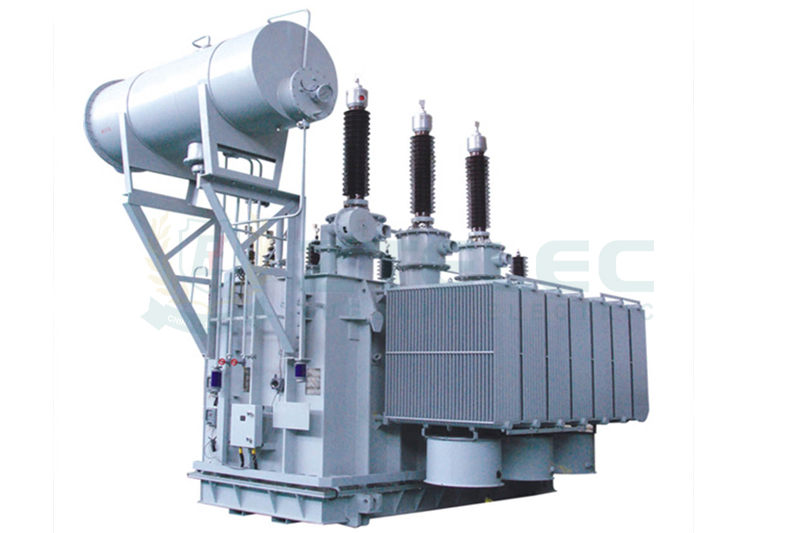
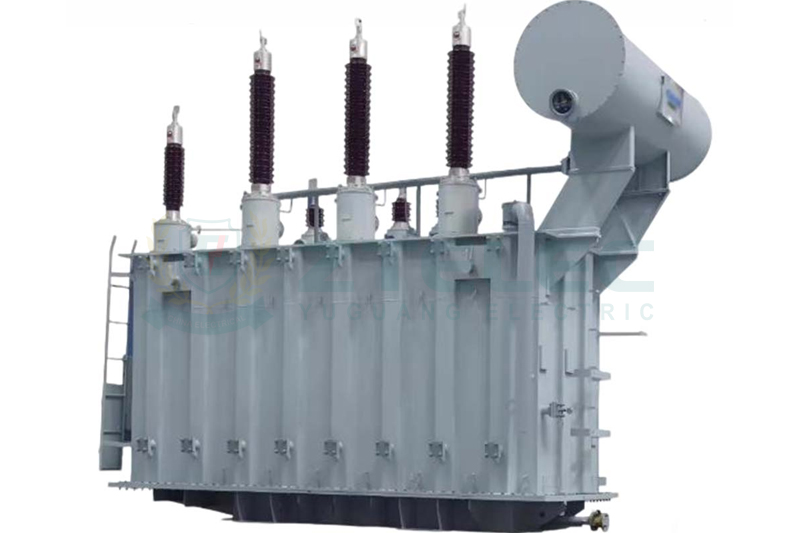
Oil-immersed transformers are among the most widely used electrical devices in industrial power distribution, municipal infrastructure, agricultural grids, and large commercial projects. From rural distribution networks and small factories to industrial parks and utility substations, oil-immersed transformers play a critical role in ensuring stable power transmission and distribution.
However, for many buyers, the most confusing issue is not “which transformer to choose,” but rather “why transformers with the same kVA rating can have dramatically different prices.” In the market, two transformers both labeled as 1000kVA may differ in price by tens of thousands of dollars depending on the brand, configuration, and manufacturing standards.
The core reason is that oil-immersed transformers are not standardized consumer products. They are highly customized electrical systems whose final price depends on voltage class, core material, winding conductor, cooling method, protection level, energy efficiency rating, and special operating requirements.
This guide provides a detailed analysis of transformer pricing by kVA range, the major factors affecting costs, total cost of ownership (TCO), and 2026 market trends, helping buyers create more accurate budgets and smarter procurement strategies.

2026 Oil-Immersed Transformer Price Reference Table
The following table shows estimated 2026 market prices in mainland China for 10kV S13 low-loss oil-immersed distribution transformers with copper windings and cold-rolled silicon steel cores. Prices are for reference only and may vary depending on brand, location, raw material prices, and project requirements.
| Capacity (kVA) | Typical Applications | Estimated Price Range (RMB) | Transformer Type |
|---|---|---|---|
| 50 kVA | Rural distribution, small retail stores | 8,000 ~ 14,000 | Standard Distribution Type |
| 100 kVA | Village power systems, small workshops | 12,000 ~ 20,000 | Standard Distribution Type |
| 200 kVA | Residential communities, medium commercial buildings | 20,000 ~ 32,000 | Standard Distribution Type |
| 315 kVA | Industrial parks, supermarkets | 28,000 ~ 46,000 | Industrial Distribution Type |
| 400 kVA | Hospitals, medium-sized factories | 35,000 ~ 58,000 | Industrial Distribution Type |
| 630 kVA | Schools, shopping malls, data centers | 52,000 ~ 85,000 | Industrial Distribution Type |
| 800 kVA | Large residential projects, industrial facilities | 65,000 ~ 105,000 | Industrial Distribution Type |
| 1000 kVA | Metallurgy, chemical plants, commercial complexes | 80,000 ~ 130,000 | Industrial Distribution Type |
| 1600 kVA | Main distribution in industrial parks | 120,000 ~ 190,000 | Large Industrial Type |
| 2000 kVA | Large mines, power hubs | 150,000 ~ 240,000 | Large Industrial Type |
| 3150 kVA | Steel plants, ports, smelters | 220,000 ~ 360,000 | Large Industrial Type |
| 6300 kVA | Main substations in industrial parks | 400,000 ~ 650,000 | Main Transformer Class |
| 10000 kVA | Large substations, transmission systems | 650,000 ~ 1,100,000 | Main Transformer Class |
The above prices are based on May 2026 market data and exclude transportation, installation, and civil engineering costs. Transformers with amorphous alloy cores typically cost 20% to 35% more than conventional silicon steel models.
Small Oil-Immersed Transformers: 50kVA to 315kVA
The 50kVA to 315kVA range covers most rural power distribution, small commercial applications, and residential power systems. Because these products are highly standardized and widely available, market pricing is relatively transparent.
50kVA transformers are widely used in rural electrification and “coal-to-electricity” upgrade projects, where bulk purchasing often provides significant discounts. Products ranging from 100kVA to 315kVA are commonly used in urban-rural distribution networks and small industrial projects.
As GB 20052-2020 Level 1 energy efficiency standards become mainstream, S11 series transformers are gradually being phased out. Although S13 transformers have a slightly higher purchase price, their long-term energy savings are significantly better.
Medium Oil-Immersed Transformers: 400kVA to 1600kVA
The 400kVA to 1600kVA range represents the core segment for industrial and commercial power distribution and is currently the most active market category.
Compared with smaller transformers, medium-capacity units often include customized options such as on-load tap changers (OLTC), ONAF forced-air cooling systems, reinforced insulation for high-altitude regions, and IP54 protection enclosures.
For example, a standard 1000kVA / 10kV S13 copper-winding transformer generally costs between RMB 80,000 and RMB 130,000. Additional configurations such as OLTC systems or amorphous alloy cores can significantly increase the final price.
Since transformers in this range typically operate for 20 to 30 years, procurement decisions should focus not only on purchase price but also on no-load losses, load losses, and long-term maintenance expenses.
Large Oil-Immersed Transformers: 2000kVA to 10000kVA
Transformers above 2000kVA are generally considered large industrial or utility-grade equipment and are almost always custom-engineered products. Standard delivery times range from 8 to 16 weeks, while special projects may require even longer lead times.
The prices of large transformers are heavily influenced by copper market fluctuations because copper windings represent a major portion of the manufacturing cost.
For transformers above 6300kVA, buyers are strongly advised to include temperature rise tests, partial discharge tests, and short-circuit withstand tests in procurement contracts, along with third-party inspection reports.
Key Factors Affecting Oil-Immersed Transformer Prices
Core Material
Cold-rolled silicon steel remains the standard core material, while amorphous alloy cores significantly reduce no-load losses but increase overall equipment costs by 20% to 35%.
Winding Material
Copper windings offer better conductivity and longer service life, typically costing 15% to 25% more than aluminum windings. Aluminum windings reduce initial cost but provide slightly lower durability in corrosive environments.
Cooling Method
ONAN natural oil cooling is the most economical standard option, while ONAF and OFAF cooling systems are designed for large-capacity or high-load applications and substantially increase costs.
Voltage Class
10kV distribution transformers are the most cost-effective. In contrast, 35kV transformers require higher insulation levels and generally cost 40% to 80% more at the same capacity.
Brand and Manufacturer
International brands are usually priced significantly higher than domestic manufacturers, while leading domestic brands offer stronger quality control, service systems, and project experience.
Special Configurations
On-load tap changers, anti-corrosion coatings, intelligent monitoring systems, and reinforced insulation for high-altitude applications all increase equipment costs and should be selected according to actual operating conditions.
Hidden Costs Often Overlooked in Procurement
Many projects focus only on transformer purchase prices while ignoring transportation, installation, civil engineering, and maintenance costs.
Large oil-immersed transformers often require specialized transportation vehicles and heavy lifting equipment, which can add significant expenses to the project budget.
Additional costs may include transformer foundations, oil containment pits, firewalls, cable connections, commissioning, and testing.
Oil-immersed transformers also require regular oil testing, seal replacement, and preventive maintenance throughout their operating life.

Practical Cost-Saving Strategies for 2026
Participate in Centralized Procurement
Bulk purchasing through utilities, industrial parks, or state-owned enterprises often provides significantly lower prices than single-unit procurement.
Focus on Total Cost of Ownership (TCO)
Although S13 and amorphous alloy transformers have higher initial costs, their long-term energy savings often make them more economical over a 10-year or longer operating period.
Avoid Over-Configuration
Not all projects require premium anti-corrosion protection, advanced cooling systems, or OLTC functions. Rational configuration can substantially reduce procurement costs.
Monitor Copper Price Cycles
Copper prices directly impact transformer quotations. Locking procurement contracts during lower copper price periods can generate significant savings.
Standardize Technical Specifications Before Comparing Quotes
When requesting quotations, ensure all suppliers follow identical technical specifications and testing requirements to avoid misleading low-price offers with reduced configurations.
Frequently Asked Questions
Why are imported transformer brands more expensive?
Imported brands typically provide advantages in international certifications, special operating conditions, and ultra-high-voltage applications. However, for standard distribution projects, leading domestic brands can already meet most technical requirements at a lower cost.
Are used oil-immersed transformers worth buying?
Used transformers usually cost only 30% to 60% of new equipment prices, but buyers must carefully inspect insulation life, core condition, and oil quality. Used equipment is generally recommended only for temporary power systems or highly budget-constrained projects.
Is it better to select a larger transformer capacity?
Not necessarily. Transformers achieve the best efficiency when operating at 30% to 75% load. Oversized transformers operating at very low loads can increase iron losses and reduce overall efficiency.
Which is more economical: oil-immersed or dry-type transformers?
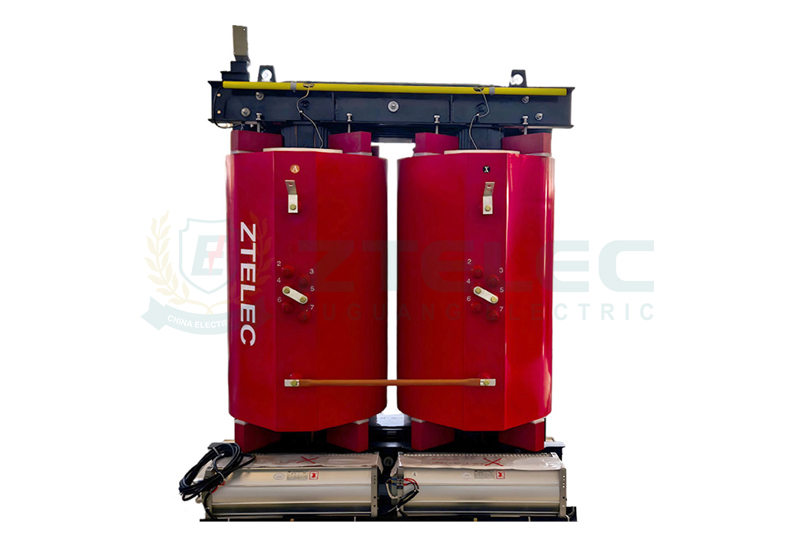
Oil-immersed transformers are generally 20% to 40% less expensive than dry-type transformers of the same capacity and offer stronger overload capability. Dry-type transformers provide better fire safety and lower maintenance for indoor installations. The selection should primarily depend on installation environment and fire protection requirements.
Oil-immersed transformer prices vary dramatically, from small rural distribution transformers costing only a few thousand yuan to large industrial transformers exceeding one million yuan. These differences are driven by capacity, voltage class, core materials, winding structure, cooling systems, and special configurations.
In 2026, rising energy efficiency requirements, high copper prices, and growing demand for intelligent monitoring systems are reshaping transformer procurement strategies. Buyers are increasingly evaluating total cost of ownership instead of focusing solely on initial purchase price.
The most effective procurement strategy is not simply choosing the lowest quotation, but balancing energy efficiency, maintenance costs, equipment lifespan, after-sales service, and long-term operational reliability. Through centralized procurement, optimized configuration, and strategic purchasing timing, buyers can significantly reduce project costs while maintaining quality and safety.