Best Oil-Immersed Transformer Manufacturers in 2025: Complete Buyer’s Guide
Time:2026-05-15 Auther:ZTelec-www.ztelectransformer.com
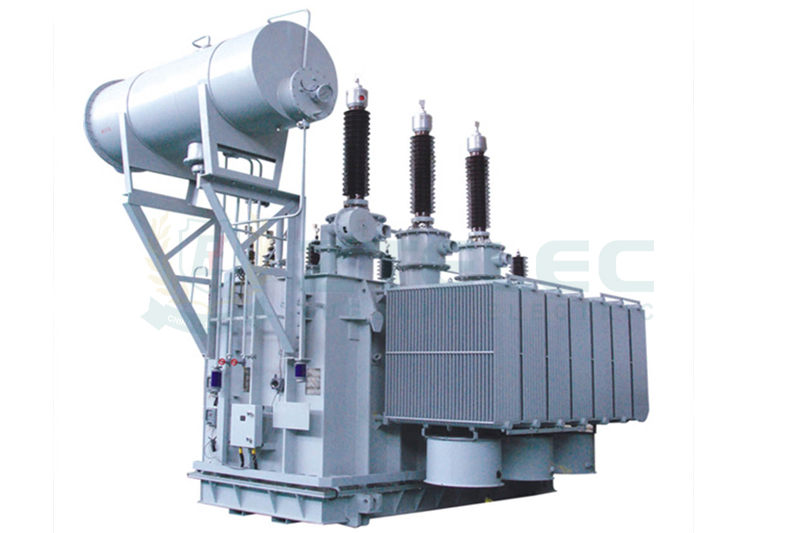
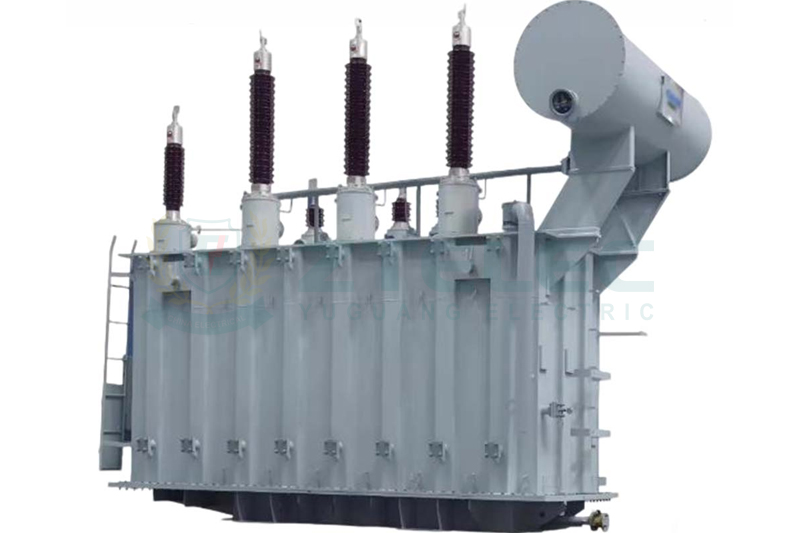
Oil-immersed transformers remain one of the most important pieces of equipment in modern power systems. From utility substations and renewable energy projects to factories, data centers, mining operations, and commercial infrastructure, oil-filled transformers are widely used because of their high reliability, strong overload capability, and efficient cooling performance.
As global electricity demand continues to grow in 2025, transformer buyers face increasing pressure to select manufacturers that can provide not only competitive pricing, but also long-term reliability, international certification, fast delivery, and strong after-sales support.
The global transformer market has become highly competitive. Buyers today can choose from manufacturers in China, Europe, the United States, India, Turkey, South Korea, and many other countries. However, selecting the right transformer supplier involves much more than comparing quotations.
This guide explains how to identify the best oil-immersed transformer manufacturers in 2025, what technical and commercial factors buyers should evaluate, and how international standards affect transformer procurement decisions.

Why Oil-Immersed Transformers Remain Dominant in 2025
Despite the increasing popularity of dry-type transformers in commercial buildings and indoor installations, oil-immersed transformers still dominate medium-voltage and high-voltage power distribution systems.
One of the biggest reasons is cooling efficiency. Transformer oil provides excellent insulation and heat dissipation, allowing oil-filled transformers to handle higher capacities and overload conditions more effectively than many dry-type alternatives.
Oil-immersed transformers are also widely preferred in:
Utility substations
Renewable energy plants
Industrial manufacturing facilities
Mining operations
Steel plants
Petrochemical industries
Rural electrification projects
High-capacity distribution networks
In 2025, modern oil-immersed transformers are becoming more energy-efficient, environmentally friendly, and digitally monitored than ever before.
What Defines a Top Transformer Manufacturer
The best transformer manufacturers are not necessarily the largest companies. A reliable transformer supplier must balance engineering capability, manufacturing quality, international compliance, and project execution experience.
Strong Manufacturing Capability
A professional transformer manufacturer should possess complete production facilities including core cutting lines, winding machines, vacuum drying systems, oil treatment equipment, and testing laboratories.
Advanced manufacturing technology directly affects transformer quality, consistency, and operational reliability.
Factories equipped with automated production lines and modern quality control systems typically produce more stable transformer products.
Comprehensive Testing Facilities
Transformer testing is critical for ensuring operational safety and long service life.
Reliable manufacturers should provide routine tests, type tests, and special tests according to IEC, ANSI, IEEE, or GB standards.
Important transformer tests include:
Turns ratio test
Winding resistance test
Temperature rise test
Lightning impulse test
Partial discharge test
Short-circuit withstand verification
Noise level testing
Factory acceptance testing
International buyers increasingly require third-party witnessed testing before shipment.
International Certifications
Global transformer projects often require manufacturers to comply with various certifications and quality systems.
Common certifications include:
ISO 9001 quality management
ISO 14001 environmental management
ISO 45001 occupational safety
CE certification
UL certification
IEC compliance
ANSI and IEEE standards
RoHS compliance
EcoDesign efficiency requirements
Manufacturers with broad international certification experience usually handle export projects more efficiently.
Key Factors Buyers Should Evaluate in 2025
Energy Efficiency Performance
Energy efficiency regulations are becoming stricter worldwide.
Modern oil-immersed transformers must meet regional energy standards such as DOE efficiency requirements in North America or EcoDesign regulations in Europe.
Buyers should carefully compare no-load loss and load loss values instead of focusing only on initial purchase price.
Low-loss transformers often generate significant long-term savings over their operational lifetime.
Raw Material Quality
The quality of transformer core steel, copper conductors, insulation paper, and transformer oil greatly influences equipment lifespan and reliability.
Leading manufacturers typically use:
Cold-rolled grain-oriented silicon steel
High-purity oxygen-free copper
High-temperature insulation materials
Vacuum-treated transformer oil
Premium materials usually improve efficiency, reduce overheating risks, and extend transformer life expectancy.
Engineering Design Capability
Different industries require different transformer solutions.
For example, renewable energy projects may require harmonic-resistant transformers, while mining operations may demand high mechanical strength and overload capability.
Experienced manufacturers should be capable of customizing:
Voltage ratings
Cooling methods
Impedance values
Tap changer systems
Protection configurations
Special environmental protection levels
Seismic resistance structures
Corrosion-resistant designs
Delivery Time and Supply Stability
Global transformer demand has increased sharply due to grid expansion, renewable energy investment, and infrastructure upgrades.
As a result, lead times have become an important purchasing factor.
Manufacturers with stable supply chains and strong production capacity are better positioned to avoid project delays.
Buyers should verify:
Average production lead time
Raw material inventory capability
Export packaging standards
Shipping experience
Project management capability
Top Global Regions for Transformer Manufacturing
China
China remains one of the world’s largest transformer manufacturing centers in 2025.
Chinese transformer manufacturers are highly competitive in terms of production capacity, pricing, and export flexibility.
Many factories now supply transformers compliant with IEC, ANSI, and European standards.
Leading Chinese suppliers are increasingly investing in intelligent manufacturing and high-efficiency transformer technologies.
Europe
European transformer manufacturers are well known for premium engineering quality, advanced efficiency technology, and strict environmental compliance.
European suppliers are often preferred for utility-grade and high-specification infrastructure projects.
However, pricing is typically higher compared with Asian manufacturers.
United States
American transformer manufacturers maintain strong positions in utility, industrial, and DOE-compliant transformer markets.
U.S. suppliers are especially competitive in customized transformer solutions and North American grid applications.
India
India has become an important transformer production hub with growing export capability.
Indian manufacturers often offer cost-effective solutions for developing markets and utility projects.
Turkey and the Middle East
Turkey has emerged as a major regional transformer supplier connecting Europe, Asia, and the Middle East.
Turkish manufacturers are increasingly active in infrastructure and renewable energy projects.

Growing Technology Trends in Oil-Immersed Transformers
Smart Monitoring Systems
Digital transformer monitoring is becoming standard in modern substations.
Many manufacturers now integrate:
Oil temperature monitoring
Winding temperature sensors
Dissolved gas analysis systems
Online moisture monitoring
Remote communication capability
Predictive maintenance software
These technologies help utilities reduce downtime and improve asset management efficiency.
Eco-Friendly Insulation Fluids
Environmental regulations are encouraging the use of biodegradable insulating fluids such as natural ester oil.
Compared with conventional mineral oil, ester fluids provide:
Higher fire safety
Better environmental performance
Improved moisture tolerance
Longer insulation life
Eco-friendly transformers are increasingly used in urban infrastructure and renewable energy applications.
Low-Loss Transformer Design
Manufacturers continue investing in ultra-low-loss transformer technology.
Advanced core materials and optimized winding structures help reduce energy waste and operational costs.
Governments worldwide are expected to impose even stricter efficiency regulations after 2025.
Common Mistakes Transformer Buyers Should Avoid
One of the most common purchasing mistakes is selecting suppliers based only on price.
Extremely low quotations may indicate reduced material quality, insufficient testing, or poor manufacturing processes.
Buyers should also avoid ignoring:
Efficiency data verification
Short-circuit strength capability
Factory testing reports
Warranty conditions
Spare parts availability
Technical support capability
Export packaging quality
Installation guidance services
Long-term transformer reliability often depends more on manufacturing quality than on initial procurement cost.
How to Choose the Right Transformer Supplier
The best supplier depends on the project type, technical requirements, budget, and target market regulations.
Before making a final purchasing decision, buyers should evaluate:
Manufacturer experience
Project references
Production capability
International certifications
Testing facilities
Engineering customization capability
Energy efficiency performance
After-sales support response
Export experience
Factory audit results
For large utility or industrial projects, conducting factory inspections and reviewing type test reports is highly recommended.
The global transformer market in 2025 is evolving rapidly due to energy transition policies, infrastructure expansion, and increasing demand for reliable electricity distribution.
Oil-immersed transformers continue to play a critical role in utility systems, industrial plants, renewable energy projects, and large-scale infrastructure development.
Choosing the right transformer manufacturer requires careful evaluation of technical capability, manufacturing quality, certification compliance, efficiency performance, and long-term service support.
For international buyers, partnering with experienced and globally compliant transformer manufacturers can significantly reduce operational risk and improve project reliability over the transformer’s entire service life.