Prefab Substation vs Conventional Substation: Cost, Construction Speed & Project Selection Guide
Time:2026-07-29 Auther:ZTelec-www.ztelectransformer.com
As global electricity demand rises and infrastructure projects face tighter deadlines, the choice between prefabricated substations and conventional substations has become a critical decision for EPCs, utilities, and renewable developers. This choice directly impacts CAPEX, project timelines, operational reliability, and long-term scalability.
Modern engineering increasingly favors factory-built modular solutions that minimize onsite work while maintaining high reliability. Yet, traditional substations remain essential for extra-high-voltage transmission and highly customized grid infrastructure. Understanding the trade-offs between these approaches enables better investment decisions.
ZTELEC YUGUANG, a leading Chinese power equipment manufacturer, designs and produces high-quality prefabricated substations for renewable energy, industrial distribution, mining, and utility applications. Our solutions comply with IEC, IEEE, and GB standards, offering customized voltage levels, transformer capacities, and environmental protections.
This guide compares prefab vs. conventional substations across cost, speed, installation, maintenance, and project suitability to help you select the optimal solution.

What Is a Prefabricated Substation?
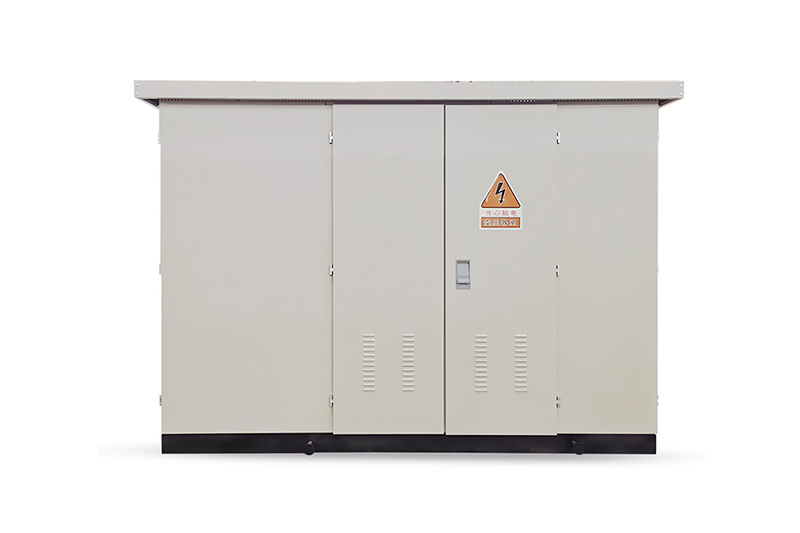
A prefabricated substation—also called a compact, modular, or E-House substation—is a factory-assembled electrical distribution system. It integrates:
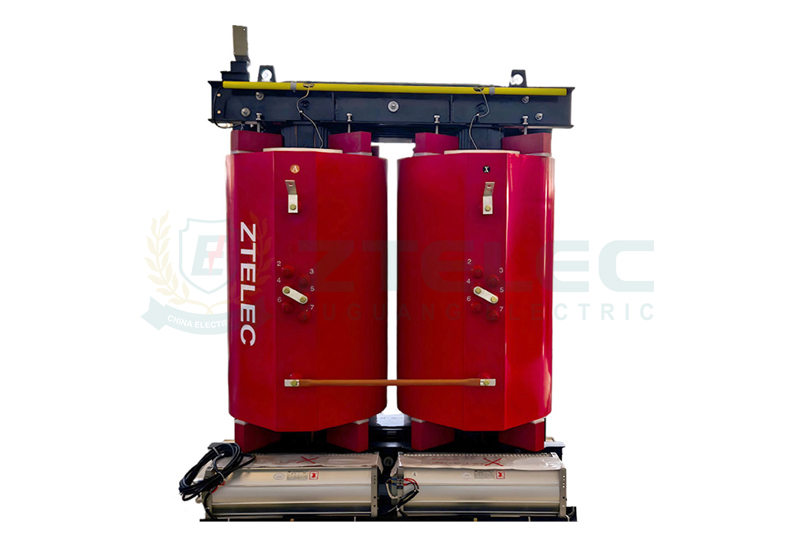
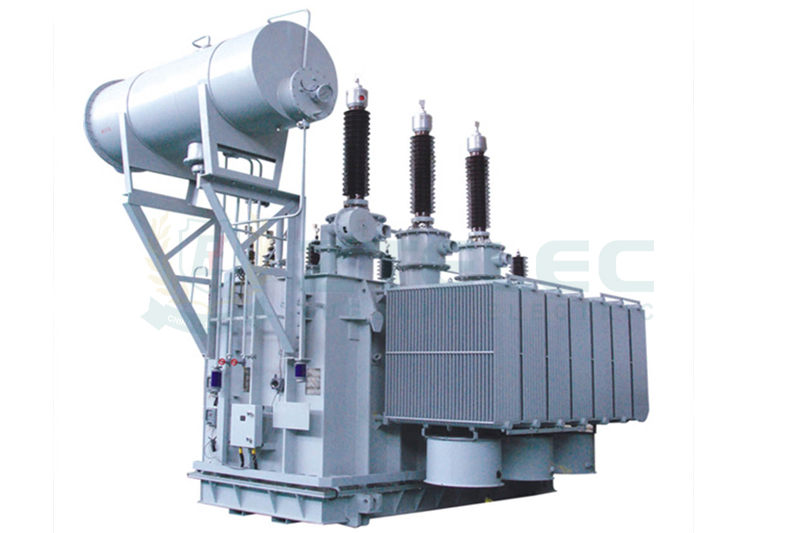
- Transformers (oil-immersed or dry-type)
- Medium-voltage switchgear (AIS or GIS)
- Low-voltage switchboards
- Protection relays & metering
- SCADA & monitoring systems
- Enclosure structures (steel or concrete)
Unlike conventional substations, which require months of onsite construction, prefab substations are assembled, wired, tested, and commissioned in the factory. Onsite installation involves only foundation prep, cable connections, grounding, and final commissioning.
Main Components
Key elements include medium-voltage switchgear, transformers, low-voltage panels, protection systems, monitoring equipment, and auxiliary systems—all factory-integrated to ensure seamless operation before shipment.
International Standards Compliance
High-quality prefab substations adhere to:
- IEC 62271 (Switchgear)
- IEC 60076 (Power Transformers)
- IEEE C37 (US Standards)
- GB/T 17467 (Chinese Prefab Substation Standards)
Compliance ensures safety, interoperability, and easier export approvals.
What Is a Conventional Substation?
A conventional substation is a permanently constructed facility where all components are individually transported and assembled onsite. The process includes:
- Land preparation & civil works
- Reinforced concrete foundations
- Equipment installation (transformers, switchgear, etc.)
- Cable trenching & control buildings
- Protection wiring & SCADA setup
- Testing, commissioning, and utility acceptance
While this approach requires more labor and time, it offers maximum design flexibility for complex transmission projects and large-scale utility infrastructure.
Main Components
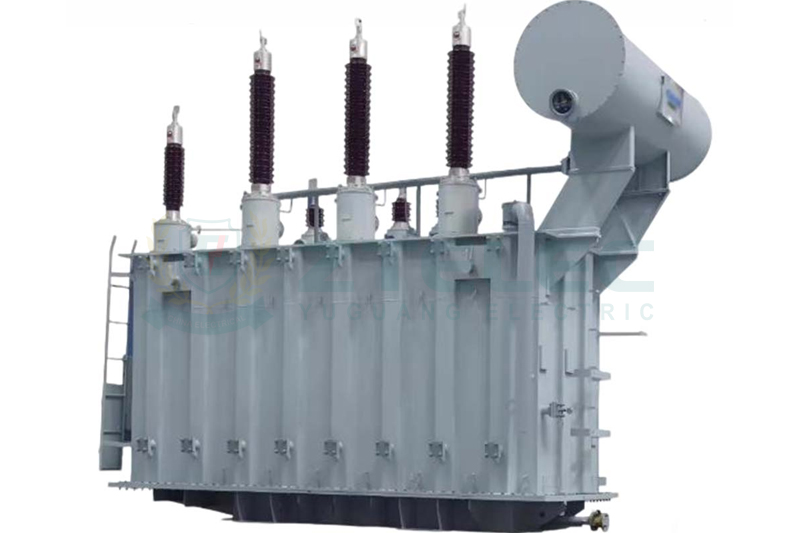
Typical components include power transformers, GIS/AIS switchgear, circuit breakers, disconnect switches, protection systems, relay panels, SCADA, control buildings, cable tunnels, grounding grids, and lightning protection systems.
Prefab vs Conventional Substation: Head-to-Head Comparison
Both solutions serve the same electrical distribution function, but their engineering philosophies differ significantly:
- Prefab substations prioritize factory manufacturing, rapid deployment, and standardized quality.
- Conventional substations emphasize customization, high-voltage capability, and long-term scalability.
| Comparison Item | Prefab Substation | Conventional Substation |
|---|---|---|
| Manufacturing Method | Factory-assembled | Built completely onsite |
| Construction Time | 16–26 weeks | 60–100+ weeks |
| Site Civil Works | Minimal (precast foundation) | Extensive (buildings, trenches) |
| Installation Complexity | Low (plug-and-play) | High (multi-phase construction) |
| Quality Control | Factory-controlled | Depends on onsite workmanship |
| Labor Requirement | Small team (5–10 workers) | Large workforce (50–100+) |
| Maintenance | Simplified (modular access) | Traditional (field maintenance) |
| Expansion Flexibility | Modular (add units as needed) | Unlimited customization |
| Typical Voltage Range | Up to 110kV | Up to 765kV+ |
| Best Applications | Renewables, industrial, commercial, mining, urban distribution | Transmission networks, EHV substations, large utility grids |
Cost Comparison: CAPEX & OPEX Breakdown
Total cost of ownership extends beyond equipment pricing. Engineering, labor, civil works, delays, and financing often exceed the value of the electrical components themselves.
Prefab substations reduce indirect costs by shifting manufacturing from the site to the factory, typically lowering total CAPEX by 20–40% for projects below 110kV.
| Cost Category | Prefab Substation | Conventional Substation | Typical Savings |
|---|---|---|---|
| Engineering Design | Standardized modular engineering | Custom engineering | 60–70% |
| Civil Construction | Simple concrete foundation | Large buildings, trenches, structures | 80–90% |
| Factory Assembly | Completed before shipment | Entirely onsite | 70–80% |
| Installation Labor | Small crew (1–3 weeks) | Large workforce (months) | 60–80% |
| Testing & Commissioning | Factory pre-tested | Field testing only | 70% |
| Total Project Cost | 20–40% lower | Higher overall investment | Significant CAPEX reduction |
For renewable energy, industrial plants, and commercial projects, faster deployment also reduces financing costs and accelerates revenue generation.
Construction Timeline: Prefab Saves 70–80% of Project Time
Delays in substation completion can postpone commercial operation, increase financing costs, and reduce ROI. Prefab substations shorten schedules by completing most work in the factory.
10MVA–50MVA Substation Schedule Comparison
| Project Phase | Prefab Substation | Conventional Substation | Time Advantage |
|---|---|---|---|
| Engineering Design | 1–3 weeks (modular templates) | 8–16 weeks (custom design) | 80–90% faster |
| Equipment Procurement | 4–8 weeks (integrated supply chain) | 12–24 weeks (individual sourcing) | 60–75% faster |
| Manufacturing & Assembly | 8–12 weeks (factory) | 24–48 weeks (onsite) | 75–85% faster |
| Civil Construction | 1–3 weeks (foundation prep) | 12–24 weeks (buildings, trenches) | Up to 90% faster |
| Equipment Installation | 1–2 weeks (plug-and-play) | 8–16 weeks (onsite assembly) | 85–90% faster |
| Testing & Commissioning | 1–2 weeks (post-FAT) | 4–8 weeks (field testing) | 70–80% faster |
| Total Project Duration | 16–26 weeks | 60–100+ weeks | 70–80% reduction |
Why Prefab Substations Reduce Construction Risk
Traditional substations involve multiple independent construction phases, increasing coordination risks. Prefab substations mitigate these risks by:
- Factory-controlled quality: All components are assembled and tested before shipment, reducing onsite errors.
- Weather independence: Factory production continues regardless of rain, snow, or extreme temperatures.
- Simplified onsite coordination: EPCs only manage foundation prep, transportation, and final connections.
- Predictable schedules: Standardized manufacturing enables accurate delivery planning.
Installation Requirements & Site Adaptability
1. Land Requirements & Footprint
| Factor | Prefab Substation | Conventional Substation |
|---|---|---|
| Required Land Area | 30–50% smaller (compact modular design) | Large area (buildings, equipment layout, cables) |
| Foundation | Precast or simple concrete | Reinforced foundations, control buildings, trenches |
| Urban Suitability | ✅ Ideal for space-constrained locations | ❌ Difficult due to land requirements |
| Remote Suitability | ✅ Easy deployment with modular transport | ❌ Requires extensive onsite infrastructure |
Prefab substations excel in urban, commercial, and renewable projects where land is limited.
2. Labor Requirements & Skills
| Factor | Prefab Substation | Conventional Substation |
|---|---|---|
| Onsite Workforce | 5–10 workers | 50–100+ workers |
| Installation Period | 1–3 weeks | Several months |
| Required Skills | Electrical connection & commissioning | Civil engineering, electrical installation, protection systems |
| Safety Risk | ✅ Lower (fewer onsite operations) | ❌ Higher (excavation, lifting, wiring) |
For regions with limited skilled labor, prefab substations offer a major advantage by completing complex work in the factory.
Harsh Environment Performance
Many projects operate in deserts, coastal zones, high-altitude regions, or industrial sites with chemical exposure. Prefab substations can be engineered for these conditions:
| Environment | Prefab Solution | Conventional Challenge |
|---|---|---|
| High-Temperature Deserts | IP54 enclosure, forced ventilation, heat-resistant components | Requires additional customized protection |
| High Altitude (>3000m) | Factory-adjusted insulation & derated components | Requires onsite technical adjustments |
| Coastal (Salt Spray) | Anti-corrosion coating, stainless steel enclosures | Additional corrosion protection needed |
| Chemical Industrial Areas | Sealed enclosure, environmental protection systems | Complex onsite protection measures |
| Seismic Regions | Pre-engineered seismic design | Custom structural calculations required |
| Flood-Prone Areas | Elevated waterproof modular design | Separate drainage/flood protection systems needed |
Operational Costs: Maintenance, Reliability & Efficiency
OPEX often determines the true economic value of a substation. Prefab substations provide operational advantages through:
- Standardized designs (easier maintenance)
- Factory-tested components (higher reliability)
- Integrated monitoring (predictive maintenance)
25-Year Lifecycle Cost Comparison
| Cost Factor | Prefab Substation | Conventional Substation | Advantage |
|---|---|---|---|
| Maintenance Labor | 2–4 technicians/year (modular access) | 5–10 technicians/year (complex systems) | 50–60% savings |
| Equipment Inspection | Standardized procedures | Complex multi-system inspections | Easier to manage |
| Repair Downtime | 1–2 days (modular replacement) | 3–7 days (field troubleshooting) | Reduces downtime |
| Energy Losses | Optimized factory design (high-efficiency transformers) | Depends on equipment/installation quality | Can reduce losses |
| Insurance Cost | Lower risk (controlled installation) | Standard industrial rates | Prefab advantage |
| Expansion Cost | Add modular units easily | Major engineering changes required | More flexible |
| Total 25-Year OPEX | 30–40% lower (medium-voltage) | Higher maintenance/operational expenses | Lifecycle savings |
Scalability & Future Expansion
Power demand evolves due to industrial growth, renewable expansion, EV charging, and urbanization. Your substation should accommodate future needs.
- Prefab substations: Excellent for phased development (add modules as demand grows).
- Conventional substations: Better for large, complex grids with unlimited customization.
| Expansion Factor | Prefab Substation | Conventional Substation |
|---|---|---|
| Adding Capacity | Simple module addition | New engineering/construction |
| Load Growth | ✅ Ideal for phased projects (5MVA→50MVA) | Suitable for large permanent infrastructure |
| Technology Upgrades | Easy standardized module replacement | Complex due to integrated systems |
| Relocation | ✅ Can be moved/reused | ❌ Usually permanent |
Application Suitability: Prefab vs. Conventional
1. Renewable Energy (Solar/Wind/BESS)
Why prefab?
- Faster grid connection (critical for renewable PPAs)
- Remote deployment (deserts, offshore, mountains)
- Lower environmental impact (smaller footprint)
- Modular expansion (scale with generation growth)
| Project Type | Recommended Solution | Typical Application |
|---|---|---|
| Solar Farms | 33kV/11kV Prefab Substation | Medium/large PV plants |
| Wind Farms | 35kV–66kV Modular Substation | Onshore/offshore wind |
| Battery Storage (BESS) | Compact Integrated Substation | Power conversion & grid connection |
2. Mining Industry
Why prefab?
- Easy transport to remote sites
- Relocatable (move with mining expansion)
- Harsh environment resistance (IP54, corrosion-proof, dust-proof)
- Reduced downtime (factory-tested reliability)
| Mining Requirement | Prefab Solution |
|---|---|
| Dusty Environment | Sealed IP54+ enclosure |
| Remote Location | Factory-integrated, minimal onsite work |
| High Load Variation | Expandable transformer/switchgear |
3. Utility & Grid Applications
| Project Type | Recommended Solution | Reason |
|---|---|---|
| Urban Distribution | ✅ Prefab Substation | Small footprint, fast installation |
| Industrial Distribution | ✅ Prefab Substation | Quick deployment, reliable modular design |
| 33kV–110kV Grid | ⚠️ Prefab or Hybrid | Balances speed & customization |
| 220kV+ Transmission | ❌ Conventional Substation | Requires large-scale custom engineering |

Market Trends: Why Prefab Substations Are Growing
The global shift toward faster infrastructure, renewables, and urbanization is driving prefab substation adoption. Key trends include:
- Urbanization: Cities need compact electrical infrastructure.
- Renewable energy: Solar/wind projects demand rapid grid connections.
- Labor shortages: Factory-built solutions reduce onsite skilled labor dependency.
- Digitalization: Smart substations integrate better with modular designs.
- Sustainability: Prefab reduces construction waste & land impact.
How to Choose: Prefab vs. Conventional Substation
Selecting the right substation depends on project scale, voltage, environment, budget, and future needs. Use this decision matrix:
| Project Requirement | Recommended Solution | Main Reason |
|---|---|---|
| Fast installation | ✅ Prefab | 70–80% faster (factory pre-tested) |
| Limited space | ✅ Prefab | 30–50% smaller footprint |
| Remote location | ✅ Prefab | Minimal onsite labor/construction |
| Renewable energy | ✅ Prefab | Ideal for solar/wind/BESS |
| Industrial plants | ✅ Prefab | Reliable, expandable power |
| 220kV+ projects | ❌ Conventional | Requires custom EHV engineering |
| Highly customized layouts | ❌ Conventional | Maximum design flexibility |
EPC Contractor Considerations
For EPCs, the substation choice directly impacts profitability, schedules, and client satisfaction. Key factors:
1. Delivery Schedule
Prefab substations shorten timelines by completing engineering, manufacturing, and testing in parallel. Conventional substations require sequential onsite phases, where delays cascade.
2. Budget Control
Prefab substations offer better cost predictability by reducing:
- Onsite labor risks
- Weather delays
- Material shortages
- Construction changes
Typical CAPEX savings: 20–40% for medium-voltage projects.
3. Quality Control
Factory manufacturing ensures:
- ✅ Electrical performance testing
- ✅ Protection system verification
- ✅ Control system validation
- ✅ Factory Acceptance Testing (FAT)
4. International Projects
For overseas projects, ensure compliance with:
- IEC 62271 (Switchgear)
- IEC 60076 (Transformers)
- IEEE Standards (North America)
- Local grid codes
ZTELEC YUGUANG Prefabricated Substation Solutions
As a trusted Chinese manufacturer, ZTELEC YUGUANG delivers custom prefab substations for global power distribution, renewables, and industrial projects. Our solutions integrate:
- Transformers (oil-immersed/dry-type)
- Medium-voltage switchgear (AIS/GIS)
- Low-voltage distribution
- Protection & monitoring systems
Why Choose ZTELEC YUGUANG?
- Factory-Integrated Manufacturing: Complete assembly/testing before delivery.
- Custom Engineering: Tailored to voltage, capacity, and environmental needs.
- Proven Applications: Solar, wind, BESS, mining, utilities, industry.
FAQs About Prefab Substations
1. Is a prefab substation as reliable as a conventional substation?
Yes. Factory assembly and testing ensure prefab substations meet or exceed the reliability of conventional units. Many prefab substations achieve 99%+ availability with proper maintenance.
2. What is the maximum voltage for a prefab substation?
Most prefab substations serve medium-voltage applications (10kV–110kV). Advanced modular designs can support up to 220kV for specific projects.
3. Are prefab substations cheaper?
For medium-voltage projects, prefab substations typically reduce total CAPEX by 20–40% due to lower civil works, labor, and timeline costs.
4. How long does prefab substation installation take?
A standard prefab substation can be fully operational in 16–26 weeks, compared to 60–100+ weeks for conventional substations.
5. Can prefab substations handle harsh environments?
Absolutely. Prefab substations can be customized for:
- IP54/IP65 enclosures (dust/water resistance)
- Anti-corrosion coatings (coastal/chemical areas)
- High-temperature cooling (deserts)
- Low-temperature heating (Arctic)
- Seismic-resistant structures
Final Conclusion: Prefab or Conventional?
Prefab substations are the superior choice for:
Fast-track projects (70–80% time savings)
Cost-sensitive budgets (20–40% CAPEX savings)
Urban/space-constrained sites (30–50% smaller footprint)
Renewable energy & mining (remote, harsh environments)
Medium-voltage applications (up to 110kV)
Conventional substations remain ideal for:
Ultra-high-voltage transmission (220kV+)
Highly customized large-scale grids
For most modern power distribution projects, prefabricated substations offer a smarter, faster, and more cost-effective solution. ZTELEC YUGUANG provides reliable, customized prefab substations that comply with global standards and support diverse applications.