2026 Oil Filled Transformer Price Guide by KVA Rating
Time:2026-07-31 Auther:ZTelec-www.ztelectransformer.com
As global investment in electrical infrastructure, renewable energy, manufacturing, and commercial construction continues to accelerate, the demand for oil filled transformers remains strong throughout 2026. Oil immersed transformers continue to dominate power distribution systems thanks to their high efficiency, excellent overload capability, long service life, and competitive lifecycle cost.
Whether you are purchasing a transformer for a utility substation, industrial facility, solar farm, mining project, commercial building, or data center, understanding current transformer pricing is essential for budgeting and supplier selection.
This comprehensive buyer’s guide analyzes the latest oil filled transformer price trends by KVA rating, explains the factors affecting transformer costs, compares different capacity ranges, and provides practical purchasing advice to help engineers, EPC contractors, utilities, and procurement managers make informed investment decisions.

What Is an Oil Filled Transformer?
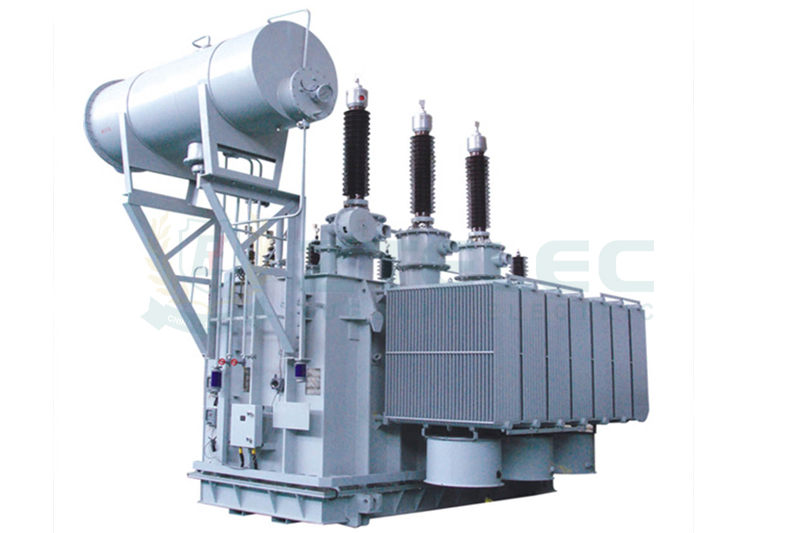
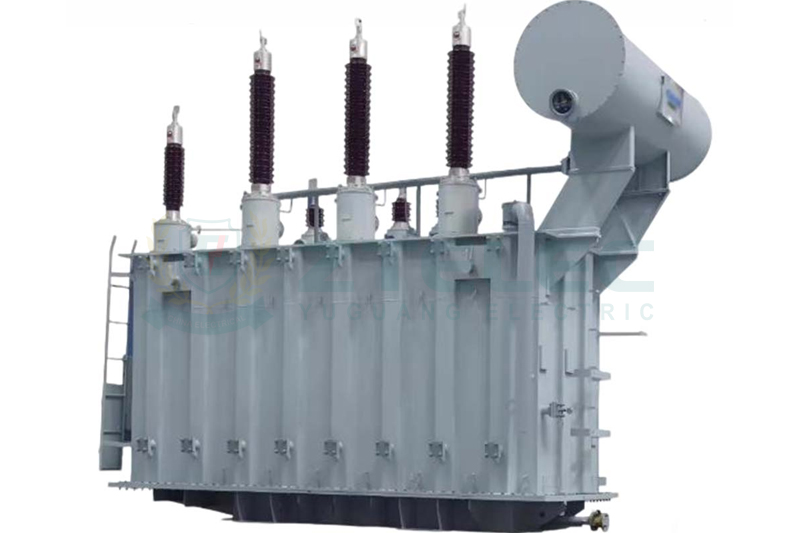
An oil filled transformer, also known as an oil immersed transformer, uses insulating mineral oil or environmentally friendly insulating fluid as both the cooling medium and electrical insulation system. The insulating oil transfers heat generated by the windings to the transformer tank, maintaining stable operating temperatures while providing excellent dielectric performance.
Oil immersed transformers are widely used in medium-voltage and high-voltage electrical systems because they offer outstanding reliability, high efficiency, and excellent performance under continuous heavy loads.
Main Components of an Oil Filled Transformer
Magnetic Core
Manufactured from high-grade grain-oriented silicon steel laminations, the transformer core minimizes no-load losses while improving overall efficiency.
Primary and Secondary Windings
Windings are typically manufactured using high-conductivity copper or aluminum conductors depending on project requirements, efficiency targets, and budget.
Insulating Oil
The insulating oil provides both cooling and electrical insulation, ensuring stable transformer performance throughout decades of operation.
Transformer Tank
The sealed steel tank protects internal components from moisture, contamination, and environmental exposure while dissipating operating heat.
Conservator Tank
The conservator compensates for oil expansion and contraction caused by temperature fluctuations, maintaining proper internal pressure.
Bushings
High-quality porcelain or polymer bushings provide safe electrical connections between external conductors and transformer windings.
Why Oil Filled Transformers Continue to Dominate the Market
Excellent Energy Efficiency
Modern oil filled transformers typically achieve efficiencies above 98%, reducing energy losses and lowering operating costs throughout their service life.
Competitive Initial Investment
Compared with dry type transformers of similar capacity, oil immersed transformers generally offer lower purchase prices, making them attractive for large-capacity installations.
Long Service Life
With proper maintenance, high-quality oil filled transformers commonly operate for 30 years or longer, delivering exceptional return on investment.
High Overload Capability
The superior cooling performance of insulating oil enables these transformers to handle continuous heavy loads more effectively than many alternative transformer technologies.
Proven Industry Reliability
Utilities worldwide have successfully operated oil immersed transformers for decades, making them one of the most trusted solutions in electrical power distribution.
2026 Oil Filled Transformer Price by KVA Rating
Transformer prices vary according to capacity, voltage class, efficiency level, materials, cooling method, certification requirements, and manufacturer. The following price ranges represent average international market estimates during 2026.
Small Capacity Transformers (10 kVA – 100 kVA)
These transformers are commonly used in residential developments, farms, schools, retail stores, and small commercial facilities.
| KVA Rating | Estimated Price (USD) | Typical Applications |
|---|---|---|
| 10 kVA | $1,500 – $3,000 | Farms, small businesses |
| 25 kVA | $2,500 – $4,500 | Residential communities, retail stores |
| 50 kVA | $4,000 – $7,000 | Small factories, office buildings |
| 100 kVA | $6,000 – $10,000 | Commercial buildings, schools |
Market Analysis
Prices in this capacity range remain relatively stable during 2026. Moderate increases are mainly driven by higher copper prices, electrical steel costs, and shipping expenses. Chinese manufacturers continue to offer highly competitive pricing while maintaining compliance with IEC and IEEE standards.
Medium Capacity Transformers (100 kVA – 500 kVA)
Medium-capacity transformers are widely used in shopping malls, hospitals, manufacturing facilities, hotels, office complexes, and industrial parks.
| KVA Rating | Estimated Price (USD) | Typical Applications |
|---|---|---|
| 100 kVA | $6,000 – $10,000 | Commercial facilities |
| 200 kVA | $10,000 – $15,000 | Light industrial plants |
| 300 kVA | $15,000 – $20,000 | Hospitals, manufacturing plants |
| 500 kVA | $20,000 – $30,000 | Large commercial buildings |
Market Analysis
Growing investments in infrastructure projects across Asia, Africa, and the Middle East have increased global demand for medium-capacity transformers. Prices have generally increased between 5% and 10% compared with the previous year.

Large Capacity Transformers (500 kVA – 2500 kVA)
This capacity range serves heavy industrial facilities, renewable energy projects, mining operations, utility substations, and data centers.
| KVA Rating | Estimated Price (USD) | Typical Applications |
|---|---|---|
| 500 kVA | $20,000 – $30,000 | Commercial complexes |
| 1000 kVA | $30,000 – $50,000 | Factories, data centers |
| 1500 kVA | $50,000 – $70,000 | Heavy industry, utilities |
| 2500 kVA | $70,000 – $100,000+ | Power plants, substations |
Market Analysis
The strongest price growth in 2026 occurs within this segment. Demand from solar farms, battery energy storage systems, and grid modernization projects continues to push prices upward by approximately 10%–15%.
Extra Large Capacity Transformers (Above 2500 kVA)
These transformers are primarily customized for transmission networks, utility companies, petrochemical facilities, steel plants, mining operations, and large infrastructure developments.
| KVA Rating | Estimated Price (USD) | Typical Applications |
|---|---|---|
| 3000 kVA | $100,000 – $150,000 | Utility substations |
| 5000 kVA | $150,000 – $250,000 | Power distribution networks |
| 10000 kVA | $250,000 – $500,000+ | Large transmission projects |
Market Analysis
Large customized transformers require extensive engineering, testing, and manufacturing. Delivery times typically range from six to twelve months, depending on project complexity and international logistics.
What Determines Oil Filled Transformer Prices in 2026?
Raw Material Prices
Copper, aluminum, silicon steel, transformer oil, and structural steel account for the majority of manufacturing costs. Continued volatility in global commodity markets directly impacts transformer pricing.
Voltage Class
Higher voltage transformers require additional insulation, larger clearances, more sophisticated testing, and stronger mechanical construction, increasing manufacturing costs.
Energy Efficiency Standards
Premium efficiency transformers complying with DOE, IEC EcoDesign, or local energy regulations generally cost more initially but deliver significant lifetime energy savings.
Cooling Method
ONAN transformers are the most economical, while ONAF and OFAF cooling systems increase manufacturing costs but provide greater load capacity.
International Certifications
Compliance with IEC, IEEE, ANSI, CSA, UL, or local utility specifications adds engineering, testing, and certification expenses.
Transportation Costs
Large transformers require specialized transportation, export packaging, heavy-lift equipment, and sometimes oversized freight permits, significantly influencing delivered pricing.
How to Choose the Right Oil Filled Transformer
Select the Correct Capacity
Choose a transformer with sufficient reserve capacity while avoiding unnecessary oversizing that increases both purchase and operating costs.
Verify Voltage Compatibility
Confirm primary voltage, secondary voltage, impedance, vector group, frequency, and tap changer requirements before ordering.
Evaluate Total Lifecycle Cost
Consider not only purchase price but also operating efficiency, maintenance requirements, energy losses, and expected service life.
Choose a Reliable Manufacturer
Established transformer manufacturers typically provide better engineering support, quality assurance, spare parts availability, factory testing, and warranty services.
Consider Future Expansion
If future facility expansion is expected, selecting a transformer with moderate spare capacity may reduce replacement costs later.
How to Reduce Transformer Procurement Costs
Comparing quotations from multiple qualified manufacturers remains one of the most effective purchasing strategies. Buyers can further reduce costs through bulk procurement, long-term supplier agreements, standardized specifications, and early project planning that avoids expedited manufacturing charges.
For suitable applications, professionally refurbished transformers can also provide substantial savings while maintaining reliable performance.
Future Price Outlook Beyond 2026
Growing Renewable Energy Investments
Expansion of wind power, solar generation, battery storage, and smart grids will continue increasing demand for medium and large power transformers.
Digital Smart Transformers
IoT monitoring, online diagnostics, digital sensors, and predictive maintenance technologies are becoming standard features, increasing equipment value while reducing lifecycle maintenance costs.
Environmentally Friendly Insulating Fluids
Natural ester oils and biodegradable insulating fluids are expected to gain wider adoption as environmental regulations become stricter worldwide.
More Stable Global Supply Chains
Manufacturers continue diversifying production and sourcing strategies, which should gradually improve delivery reliability and reduce future price volatility.
Oil filled transformer prices in 2026 continue to reflect strong worldwide demand, rising material costs, and expanding investments in electrical infrastructure. Small distribution transformers remain relatively affordable, while medium, large, and utility-class transformers have experienced noticeable price increases driven by renewable energy expansion and modernization of electrical grids.
When selecting an oil immersed transformer, buyers should evaluate transformer capacity, voltage requirements, energy efficiency, certification standards, manufacturer reputation, warranty coverage, delivery schedule, and long-term operating costs rather than focusing solely on the initial purchase price.
Partnering with an experienced transformer manufacturer allows buyers to obtain customized technical solutions, competitive pricing, reliable delivery schedules, and comprehensive after-sales support for projects ranging from 10 kVA distribution transformers to utility-scale power transformers exceeding 10000 kVA.