Sealed Oil-Immersed Transformer vs Conservator Transformer: Key Differences, Advantages, and Selection Guide
Time:2026-07-17 Auther:ZTelec-www.ztelectransformer.com
Oil-immersed transformers are widely used in power distribution systems thanks to their excellent cooling performance, strong overload capability, reliable operation, and cost-effectiveness. During the procurement process, buyers often encounter two common designs: the sealed oil-immersed transformer and the conservator transformer. Although both use insulating oil for insulation and cooling, they differ significantly in structural design, sealing method, maintenance requirements, service life, and typical applications.
This guide compares the technical characteristics, advantages, disadvantages, and application scenarios of these two transformer types to help engineers, EPC contractors, and purchasing professionals select the most suitable solution for their projects.

What Is an Oil-Immersed Transformer?
An oil-immersed transformer uses mineral insulating oil or environmentally friendly insulating liquid as both the insulation medium and the cooling medium. During operation, heat generated by the windings and core is transferred through the insulating oil to radiators, where it is dissipated into the surrounding air by natural or forced circulation, ensuring safe and reliable operation.
Based on tank construction and oil expansion compensation methods, oil-immersed transformers are generally classified into two categories: sealed oil-immersed transformers and conservator (oil conservator) transformers.
How Does a Sealed Oil-Immersed Transformer Work?
A sealed oil-immersed transformer features a completely enclosed tank without an external oil conservator. As the insulating oil expands or contracts due to temperature changes, corrugated tank walls or corrugated radiators flex elastically to compensate for oil volume variations.
Because the insulating oil is completely isolated from the atmosphere, moisture and oxygen cannot enter the tank. This effectively prevents oil oxidation, moisture contamination, and insulation degradation, significantly improving transformer reliability and extending service life.
The sealed design also eliminates accessories such as breathers, silica gel dehydrators, and related piping, resulting in a more compact structure and greatly reducing maintenance requirements.
How Does a Conservator Transformer Work?
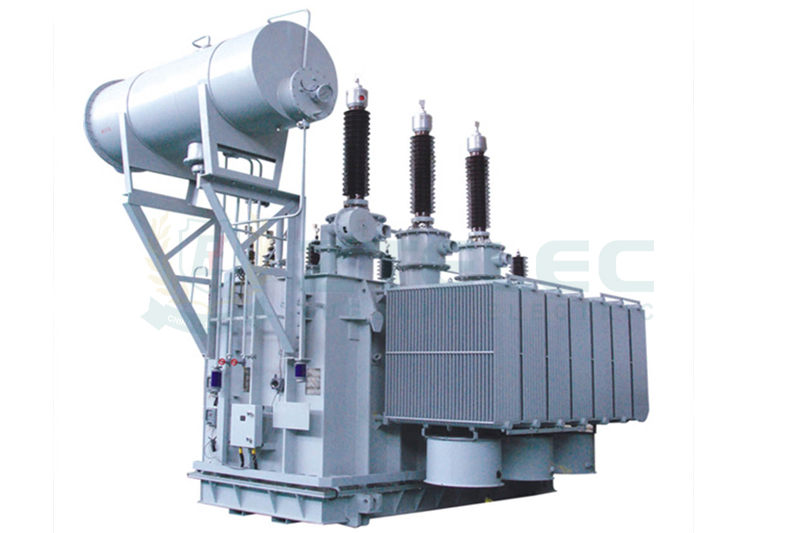
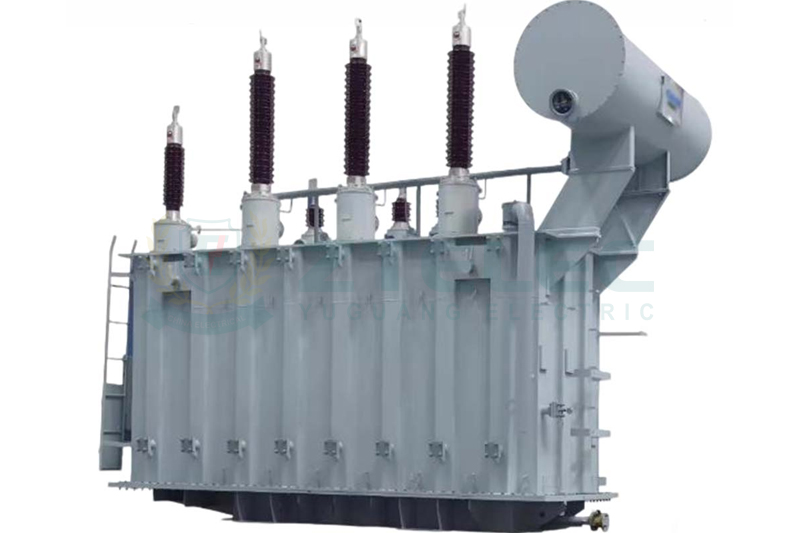
A conservator transformer is equipped with an oil conservator tank mounted above the main transformer tank. The conservator is connected to the main tank through piping. As operating temperature rises, expanding insulating oil flows into the conservator. When the temperature decreases, the oil flows back into the main tank, ensuring the transformer remains completely filled with insulating oil.
The conservator is typically fitted with a breather containing silica gel desiccant. As air enters the conservator, the silica gel absorbs moisture, helping prevent humidity from contaminating the transformer oil. However, the silica gel gradually becomes saturated and must be inspected and replaced periodically.
This design offers greater oil expansion capacity, making it suitable for large-capacity and high-voltage transformers.
Key Differences Between Sealed and Conservator Transformers
Sealing Performance
Sealed transformers use a completely enclosed system that isolates the insulating oil from the atmosphere, minimizing exposure to moisture and oxygen and significantly slowing oil oxidation.
Conservator transformers, although equipped with breathers and silica gel desiccants, still exchange air with the atmosphere and therefore remain susceptible to gradual moisture ingress over long-term operation.
Maintenance Requirements
Sealed oil-immersed transformers require minimal routine maintenance. Periodic visual inspections and standard operational checks are generally sufficient, reducing maintenance costs and downtime.
In contrast, conservator transformers require regular inspection of the oil level, breather condition, and silica gel desiccant, with replacement of consumable components as needed.
Insulating Oil Service Life
Because the insulating oil is protected from oxygen and moisture, sealed transformers experience much slower oil aging, resulting in longer oil life and improved transformer longevity.
Conservator transformers are more susceptible to gradual oil oxidation and typically require regular oil testing and maintenance during their service life.
Physical Structure
Without an external conservator tank or associated accessories, sealed transformers feature a compact design that requires less installation space and simplifies transportation and installation.
Conservator transformers require additional installation height to accommodate the oil conservator, making them better suited to sites where space is not a limiting factor.
Capacity Range
Sealed oil-immersed transformers are commonly used in distribution systems ranging from approximately 30 kVA to 2500 kVA and are widely deployed in commercial and industrial distribution networks.
Conservator transformers offer superior oil expansion capability and are commonly used in transformers above 2500 kVA, including 35 kV, 66 kV, 110 kV, and higher-voltage power transformers.
Operational Reliability
For unmanned substations or installations with limited maintenance resources, sealed transformers provide excellent long-term reliability due to their superior sealing performance.
For large substations and heavy industrial facilities with dedicated maintenance teams, conservator transformers offer reliable operation under high-capacity loading conditions.

Advantages of Sealed Oil-Immersed Transformers
Sealed transformers provide outstanding moisture resistance, reduced oil oxidation, extended insulating oil life, and minimal maintenance, significantly lowering total lifecycle operating costs.
Their compact footprint makes them ideal for residential developments, commercial buildings, hospitals, schools, manufacturing plants, renewable energy projects, and other installations where space is limited.
In coastal areas, humid climates, and unattended substations, sealed transformers deliver superior long-term reliability and environmental protection.
Advantages of Conservator Transformers
Conservator transformers provide greater oil expansion capacity, enabling them to accommodate the larger thermal expansion requirements of high-capacity power transformers.
They are widely used in utility substations, power plants, mining operations, steel mills, petrochemical facilities, and other large industrial installations where high-voltage and high-capacity power distribution systems are required.
How to Choose the Right Oil-Immersed Transformer
The selection should consider transformer capacity, voltage level, operating environment, maintenance capability, installation space, project budget, and future expansion requirements.
For commercial buildings, industrial facilities, residential communities, and distribution substations with transformer capacities below 2500 kVA, sealed oil-immersed transformers are generally recommended because they require less maintenance and offer longer insulating oil life.
For utility substations, transmission projects, and large industrial facilities with professional maintenance personnel, conservator transformers provide an effective solution for large-capacity applications.
In humid, rainy, or coastal environments with high salt exposure, sealed transformers usually offer better long-term protection against moisture contamination. Conversely, projects with ample installation space and higher capacity requirements may benefit from conservator transformer designs.
Both sealed oil-immersed transformers and conservator transformers are mature and highly reliable technologies. However, they differ significantly in sealing systems, maintenance requirements, insulating oil service life, installation space, and suitable capacity ranges.
Sealed oil-immersed transformers have become the preferred choice for modern distribution systems due to their maintenance-free operation, excellent moisture resistance, compact design, and long service life. They are especially suitable for medium-capacity distribution applications and unattended installations.
Conservator transformers, on the other hand, remain the preferred solution for high-voltage and large-capacity power systems because of their superior oil expansion capability and proven performance in utility and industrial applications.
When selecting a transformer, engineers and project owners should evaluate project size, operating conditions, maintenance resources, environmental factors, and future expansion plans to ensure long-term safety, efficiency, and reliability of the electrical distribution system.