China Transformer Manufacturer FAQ 2026: Buying, Quality, Shipping & Payment Guide
Time:2026-07-15 Auther:ZTelec-www.ztelectransformer.com
China has become one of the world’s most important transformer manufacturing bases, supported by a complete electrical equipment supply chain, advanced production capabilities, competitive pricing, and increasing international certification experience.
For overseas buyers, sourcing transformers from China can provide significant advantages in terms of product variety, manufacturing capacity, customization options, and project cost control. However, many international customers still have questions about supplier selection, technical communication, quality inspection, logistics arrangements, and payment security.
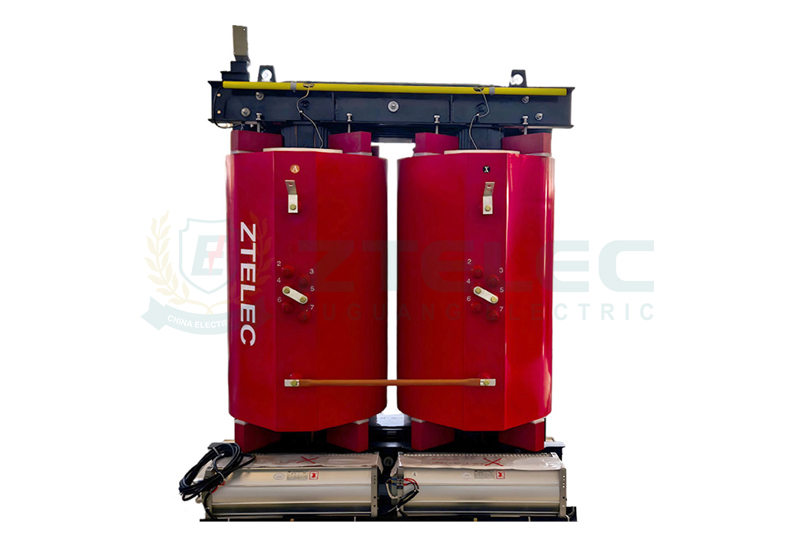
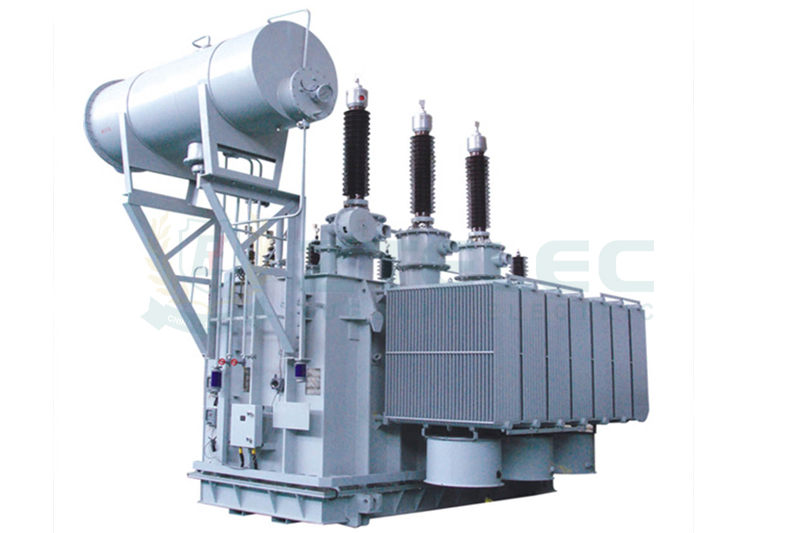
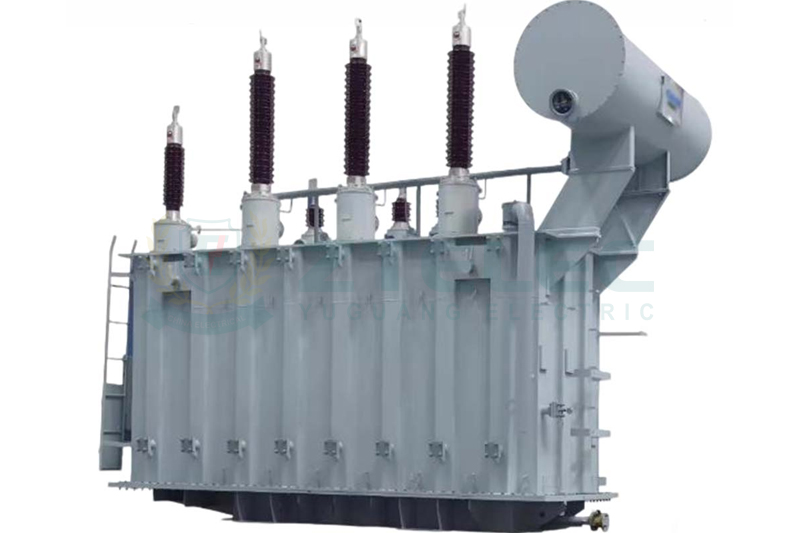
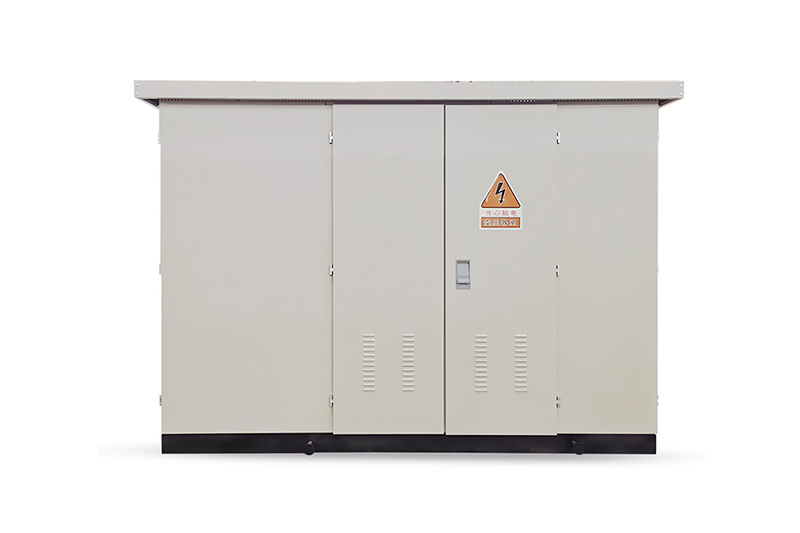
This comprehensive FAQ explains the most common concerns raised by global buyers when purchasing transformers from Chinese manufacturers. Whether you are sourcing oil-immersed transformers, dry-type transformers, distribution transformers, or power transformers, these answers will help you make a more informed procurement decision.

Transformer Purchasing Process Questions
Choosing the right Chinese transformer manufacturer is the first step toward a successful international procurement project. Buyers should evaluate supplier qualifications, technical capabilities, production experience, and export performance before placing an order.
How can buyers find a reliable transformer manufacturer in China?
International buyers can identify qualified Chinese transformer manufacturers through industry exhibitions, electrical equipment trade shows, professional B2B platforms, industry associations, and third-party factory audit companies.
Before cooperation, buyers should verify important information such as business licenses, export qualifications, manufacturing facilities, production experience, quality certifications, and previous international project references.
A supplier with successful overseas delivery experience usually understands international standards, export procedures, and customer requirements better than a manufacturer focused only on the domestic market.
What technical information should buyers prepare before requesting a quotation?
Providing complete technical information allows manufacturers to prepare accurate quotations and suitable transformer designs. Basic requirements usually include rated capacity, voltage levels, frequency, vector group, cooling method, installation environment, and applicable standards.
Buyers should also provide details about operating conditions, including ambient temperature, altitude, humidity, dust levels, coastal exposure, and special environmental requirements.
For international projects, specifying compliance requirements such as IEC, ANSI/IEEE, CSA, or other regional standards at the beginning can prevent design changes during later stages.
How long does the process from inquiry to contract signing usually take?
The timeline depends on transformer type, project complexity, and customization requirements. For standard products, technical discussions and quotation confirmation may take approximately two to four weeks.
Customized transformers for renewable energy projects, industrial facilities, utilities, or special environments may require longer communication because engineers need to confirm technical drawings, specifications, and testing requirements.
Clear technical documentation and quick communication between buyers and manufacturers can significantly shorten the decision-making process.
Can Chinese transformer manufacturers provide customized designs?
Yes. Most experienced Chinese transformer manufacturers have strong customization capabilities and can design products according to different grid standards, environmental conditions, and application requirements.
Customization options may include voltage configuration, transformer capacity, winding materials, cooling systems, protection levels, enclosure designs, monitoring systems, and special accessories.
However, highly customized designs usually require additional engineering time and may extend the manufacturing schedule. Buyers should confirm technical requirements as early as possible.
Should first-time buyers visit the factory before placing an order?
Factory inspection is highly recommended for first-time cooperation, especially for large-value transformer projects. A factory visit allows buyers to evaluate production equipment, testing facilities, quality management systems, and manufacturing processes.
If an onsite visit is not practical, buyers can arrange independent third-party inspections through professional organizations. These audits help verify supplier capability and reduce procurement risks.
How can buyers verify a manufacturer’s production capacity and delivery capability?
Buyers can request information about production facilities, manufacturing capacity, recent project records, and delivery history for similar transformer products.
Reliable manufacturers should be able to demonstrate completed export projects, customer references, quality records, and a stable supply chain for key materials such as electrical steel, copper, transformer oil, and insulation components.
Evaluating actual production capability is especially important for large transformers, customized equipment, and projects with strict delivery schedules.
Transformer Quality Control Questions
Quality assurance is one of the most important concerns when purchasing transformers internationally. A professional manufacturer should have strict quality control procedures from raw material inspection to final factory testing.
Do Chinese transformer manufacturers have international certifications?
Many export-oriented Chinese transformer manufacturers have obtained international quality and product certifications. Common certifications include ISO9001 quality management certification, CE certification, CB certification, and other regional approvals depending on the target market.
However, certification requirements vary between countries and applications. Buyers should confirm the required certificates before ordering and request official documentation for verification.
How can buyers ensure transformers meet international standards?
The best approach is to define applicable standards clearly in the purchase contract. Many international transformer projects follow IEC 60076 standards, while some markets require ANSI/IEEE or additional national specifications.
Buyers should request factory test reports, type test reports, and technical documentation to verify product compliance.
For critical projects, third-party testing and independent inspection provide additional confidence regarding transformer performance and reliability.
Can buyers arrange pre-shipment inspection before delivery?
Yes. Most professional manufacturers support factory acceptance tests and third-party inspections before shipment.
Buyers can arrange inspections through independent organizations such as SGS, Bureau Veritas, TÜV, or other qualified inspection companies.
Typical inspection items include appearance checks, nameplate verification, electrical performance testing, documentation review, packaging inspection, and confirmation of compliance with contract requirements.
How are quality issues handled after delivery?
A reliable transformer manufacturer should provide a clear after-sales service process before cooperation begins. The purchase contract should define warranty terms, responsibility confirmation procedures, technical support methods, and spare parts supply arrangements.
Professional manufacturers usually maintain complete production records, including raw material inspection reports, manufacturing records, test results, and shipment documentation. These records help engineers quickly identify the cause of any potential issue and provide an effective solution.
For large international projects, buyers should also confirm the supplier’s response time, remote technical support capability, and availability of replacement components before signing the contract.
Can Chinese transformer manufacturers provide products for different climate conditions?
Yes. Experienced Chinese transformer manufacturers regularly supply equipment for different regions, including tropical areas, deserts, high-altitude locations, coastal environments, and extremely cold climates.
Manufacturers can adjust transformer designs according to local conditions. Common solutions include improved insulation systems, anti-corrosion coatings, enhanced sealing structures, special ventilation designs, and temperature-resistant materials.
For coastal projects, additional protection against salt mist corrosion may be required. For desert applications, dust protection and high-temperature performance become especially important.

Transformer Shipping and Logistics Questions
International transportation is a critical part of transformer procurement. Due to their large size and weight, transformers require professional packaging, transportation planning, and documentation management.
What are the common transportation methods for transformers from China?
The main transportation methods include sea freight, land transportation, and multimodal logistics solutions. Most international transformer shipments are transported by sea because of their large dimensions and heavy weight.
Small and medium-sized distribution transformers may be shipped in containers, while larger transformers often require special arrangements such as flat racks, open-top containers, or project cargo transportation.
For oversized power transformers, transportation planning should be completed before production because lifting capacity, port facilities, road conditions, and destination handling equipment may affect the delivery process.
How do manufacturers protect transformers during transportation?
Professional manufacturers use multiple protection methods to reduce transportation risks. Standard measures include reinforced packaging, moisture protection, shock monitoring devices, and customized transportation supports.
Large oil-filled transformers may require additional protection methods, such as nitrogen filling, oil drainage before shipment, or specially designed transport frames depending on project requirements.
Before shipment, manufacturers should provide detailed packing lists, loading photos, and transportation instructions to help buyers prepare for receiving and installation.
How long does shipping from China to the destination port usually take?
The transportation time depends mainly on the destination region, shipping route, port conditions, and seasonal logistics factors.
For Asia-Pacific markets, sea transportation may take approximately two to three weeks. Shipments to the Middle East and Africa commonly require three to five weeks, while transportation to Europe and North America may take around four to six weeks.
Actual delivery time can be affected by port congestion, customs procedures, vessel schedules, and inland transportation arrangements. Buyers should always confirm the estimated delivery timeline with both the manufacturer and freight forwarder.
Should buyers purchase transportation insurance for transformer shipments?
Purchasing cargo insurance is strongly recommended, especially for high-value transformer equipment. Insurance can provide protection against potential risks during transportation, including accidental damage, loss, and unexpected logistics incidents.
The insurance coverage should be reviewed carefully before shipment. Buyers should confirm coverage limits, claim procedures, and excluded risks with the insurance provider or freight company.
For large power transformers, transportation insurance is an important part of overall project risk management.
Who is responsible for customs clearance and import procedures?
The responsibility for customs clearance depends on the agreed international trade terms, such as FOB, CIF, CFR, DAP, or other Incoterms.
Under FOB terms, buyers usually manage international shipping and import clearance. Under CIF terms, suppliers arrange transportation to the destination port, while buyers normally handle import procedures.
Buyers should understand their country’s import regulations before placing an order. Required documents usually include commercial invoices, packing lists, certificates of origin, inspection documents, and other customs-related paperwork.
Clear communication between the buyer, supplier, freight forwarder, and customs broker helps prevent unnecessary delays during import procedures.
Payment and Contract Questions
Payment terms and contract conditions directly influence transaction security for both buyers and manufacturers. A clear agreement helps reduce misunderstandings and ensures smooth cooperation throughout the project.
What payment methods are commonly used when purchasing transformers from China?
The most common payment methods include advance payment combined with balance payment before shipment, letters of credit (L/C), and milestone-based payment schedules for large projects.
A typical arrangement may involve a percentage of advance payment after contract signing, followed by the remaining balance after production completion, inspection approval, or before shipment.
The final payment structure usually depends on order value, project complexity, buyer credit history, and the relationship between both parties.
Can first-time buyers negotiate more flexible payment terms?
For first-time cooperation, some manufacturers may require higher advance payments because they need to reduce production and financial risks.
However, buyers can negotiate alternative solutions, such as third-party inspection before payment, bank guarantees, letters of credit, or staged payment arrangements based on production progress.
Building trust through transparent communication, factory verification, and professional project management can help both parties achieve more flexible cooperation terms.
What should buyers pay attention to when using a letter of credit (L/C)?
A letter of credit is widely used in international transformer transactions because it provides additional payment security for both buyers and sellers. However, buyers should carefully review all L/C requirements before issuance.
The terms stated in the letter of credit should match the purchase contract exactly, including delivery dates, required documents, inspection requirements, product descriptions, and shipping conditions.
Any inconsistency between the contract and the L/C may cause document discrepancies, delayed payment processing, or additional administrative costs. Therefore, both parties should confirm all details before the bank officially issues the letter of credit.
Which contract terms should buyers carefully review before ordering transformers?
Besides product price and delivery time, buyers should carefully review all important commercial and technical clauses before signing a transformer purchase contract.
Key items usually include product specifications, applicable standards, inspection requirements, factory acceptance testing, warranty period, technical support, spare parts supply, delivery responsibilities, and installation guidance.
The contract should also clearly define responsibilities for delays, quality disputes, force majeure events, and dispute resolution procedures. For international transactions, buyers should confirm the applicable law, arbitration location, and communication process in advance.
A well-prepared contract protects both parties and creates a clear framework for successful long-term cooperation.
Working with Chinese transformer manufacturers has become an increasingly popular choice for global buyers due to China’s complete electrical equipment supply chain, advanced manufacturing capabilities, competitive pricing, and strong export experience.
However, successful transformer procurement requires more than simply comparing quotations. Buyers should carefully evaluate supplier qualifications, technical capabilities, quality management systems, international certifications, production capacity, and after-sales support.
Before placing an order, international customers should prepare complete technical requirements, confirm applicable standards, arrange quality inspections, and establish clear contract terms. These steps help reduce procurement risks and ensure the transformer meets expected performance requirements.
Transportation planning and payment security are equally important. Professional packaging, suitable shipping arrangements, reliable insurance coverage, and transparent payment conditions contribute to a smoother international purchasing experience.
Whether purchasing oil-immersed transformers, dry-type transformers, distribution transformers, or power transformers, selecting an experienced Chinese transformer manufacturer can provide significant advantages in product quality, customization flexibility, and overall project cost control.
By understanding the key aspects of purchasing, quality control, logistics, and contract management, global buyers can build stronger partnerships with Chinese suppliers and achieve reliable, efficient, and long-term power infrastructure solutions.