Solar Duty Transformer Market Update: Sizing Needs, Inverter Development, and E-Shields
Time:2026-04-7 Auther:ZTelec-www.ztelectransformer.com
The rapid growth of photovoltaic power generation continues to reshape transformer design requirements. As solar projects move toward larger capacities, higher DC voltages, and smarter inverter technology, solar duty transformers must adapt to new operational conditions. Developers, EPC contractors, and utility engineers are placing more emphasis on efficiency, harmonic tolerance, thermal performance, and long-term reliability. This market update reviews key trends in sizing requirements, inverter development, and the increasing adoption of electrostatic shields in modern solar duty transformers.

Growing Demand for Utility-Scale Solar Transformers
Utility-scale solar installations are expanding in both developed and emerging markets. Projects that previously operated in the 5MW to 20MW range are now commonly built at 100MW or larger. This scale increase has changed transformer specifications. Solar duty transformers must handle variable generation, frequent ramping, and higher harmonic content compared to conventional power transformers.
Unlike traditional load-based transformers, solar duty units operate under fluctuating conditions. Output levels vary with irradiance, temperature, and inverter dispatch strategies. These variations require optimized thermal design, low losses, and stable voltage regulation. Manufacturers are improving core materials, winding configurations, and cooling structures to meet these dynamic operating profiles.
Transformer Sizing Requirements in Modern Solar Plants
Proper transformer sizing has become a critical decision point in solar farm design. Oversizing increases capital cost, while undersizing risks overheating and reduced lifespan. The challenge is determining the optimal balance between inverter output, ambient conditions, and grid connection requirements.
Solar duty transformers are typically sized based on inverter AC output capacity. However, real-world operating conditions often require additional margin. Engineers consider factors such as ambient temperature, altitude, overload capability, and harmonics. In desert environments, for example, ambient temperatures above 45°C demand derating or enhanced cooling design.
Another important consideration is DC/AC ratio. Many solar plants intentionally oversize the DC array relative to inverter capacity. This approach increases energy yield but results in extended operation near rated output. Transformers must be designed to handle continuous high loading without excessive temperature rise.
Short-term overload capability is also relevant. Cloud transients and rapid irradiance changes can cause sudden power spikes. Solar duty transformers must tolerate these conditions without insulation stress. This requirement has driven the adoption of improved insulation systems and higher temperature class materials.
Impact of Central vs String Inverter Architectures
The transition from central inverters to string inverter architectures is influencing transformer configurations. Central inverter systems typically use large step-up transformers ranging from 2MVA to 10MVA. These units connect multiple inverter blocks to medium voltage collection systems.
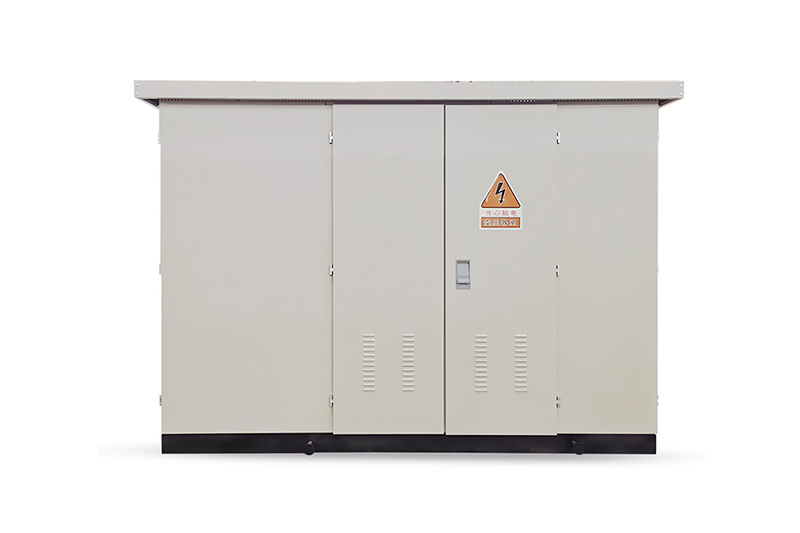
String inverter systems, on the other hand, distribute conversion across many smaller units. This trend increases demand for compact pad-mounted transformers in the 500kVA to 2500kVA range. Distributed transformer placement reduces cable losses and improves redundancy.
String inverter deployment also introduces different harmonic characteristics. Multiple inverter sources operating in parallel can create complex harmonic interactions. Solar duty transformers must be designed with adequate K-factor capability or harmonic mitigation strategies to maintain performance and avoid overheating.
High Voltage and Higher Power Density Trends
New inverter platforms are pushing toward higher DC input voltages, including 1500V and beyond. These higher voltage levels reduce cable losses and improve system efficiency. However, they also influence transformer insulation requirements and winding design.
Higher power density is another emerging trend. Developers aim to reduce footprint and installation cost by using compact transformer designs. This objective requires improved cooling methods such as forced air or advanced oil circulation. Thermal modeling plays a greater role in ensuring safe operation under compact conditions.
Medium voltage output levels are also evolving. While 33kV remains common, some regions are adopting 35kV or even higher collection voltages. Solar duty transformers must support these voltage classes while maintaining low loss performance and reliable insulation margins.

Role of Electrostatic Shields in Solar Duty Transformers
Electrostatic shields, often referred to as E-shields, are becoming increasingly important in photovoltaic transformer design. These conductive layers placed between primary and secondary windings help reduce electrical noise, limit transient coupling, and improve system stability.
Inverter-based generation produces switching noise and high-frequency components. Without proper shielding, these disturbances can propagate through the transformer and affect downstream equipment. Electrostatic shields provide a grounded barrier that reduces capacitive coupling between windings.
By minimizing common-mode noise, E-shields improve power quality and reduce electromagnetic interference. This benefit is particularly valuable in solar plants connected to sensitive grid infrastructure or co-located energy storage systems.
Electrostatic shielding also helps mitigate transient overvoltages. Fast switching devices in modern inverters generate steep voltage waveforms. These can stress transformer insulation if not properly controlled. The shield acts as a protective layer, reducing voltage gradients across windings.
Thermal Performance Considerations
Solar duty transformers frequently operate in high ambient environments with limited shade. Thermal performance is therefore critical. Manufacturers are optimizing cooling ducts, winding spacing, and oil flow paths to enhance heat dissipation.
Loss reduction is another important strategy. Lower core and copper losses translate into reduced temperature rise and improved efficiency. Amorphous metal cores and high-grade silicon steel are increasingly used to achieve these goals.
Temperature monitoring is also becoming standard. Embedded sensors provide real-time data on winding and oil temperature. This information supports predictive maintenance and allows operators to maximize loading without compromising reliability.
Grid Compliance and Harmonic Performance
Grid codes are becoming stricter regarding harmonic distortion and voltage quality. Solar duty transformers must maintain performance even when connected to inverter outputs with non-linear waveforms. Special winding arrangements and harmonic tolerant insulation systems are often implemented.
Some projects incorporate phase-shifting transformer configurations to reduce harmonic interaction. Others use integrated filtering solutions. These approaches help maintain compliance with utility requirements and improve overall system efficiency.
Mechanical Strength and Transport Considerations
Large solar farms are often located in remote areas. Transformers must be transported over long distances and installed under challenging conditions. Mechanical strength, vibration resistance, and robust enclosures are therefore essential.
Pad-mounted designs with sealed tanks are commonly used to minimize maintenance. Corrosion-resistant coatings are applied for coastal or desert environments. These features extend service life and reduce operational costs.
Future Outlook for Solar Duty Transformer Market
The solar duty transformer market is expected to continue expanding alongside global photovoltaic deployment. Higher capacity projects, hybrid solar-storage systems, and grid-forming inverters will drive further innovation. Transformers will need to support bidirectional power flow, dynamic voltage control, and advanced monitoring capabilities.
Electrostatic shielding, improved thermal design, and optimized sizing strategies will remain key differentiators. Manufacturers that provide customized solutions for inverter compatibility and site-specific conditions will gain competitive advantage. As solar energy becomes a larger portion of the generation mix, transformer reliability and efficiency will play a crucial role in long-term project performance.
Understanding evolving sizing needs, inverter development trends, and the role of electrostatic shields helps engineers select the right solar duty transformer. Proper specification ensures stable operation, reduced losses, and extended equipment life, supporting the continued growth of solar power infrastructure worldwide.