Starting Power Transformers in Cold Temperatures: What Utilities Need to Know
Time:2026-02-6 Auther:ZTelec-www.ztelectransformer.com
In high-altitude and extremely cold regions, winter construction projects, and high-latitude countries such as Russia, Northern Europe, Central Asia, and parts of North America, starting power transformers in low-temperature environments is a critical operational challenge. Improper startup procedures can compromise equipment reliability and may result in insulation damage, winding deformation, or even transformer failure.
This article provides a systematic overview of the key risks, technical considerations, and maintenance recommendations for operating power transformers in cold climates, helping utilities and maintenance teams ensure safe and stable performance under severe winter conditions.

Main Impacts of Low Temperatures on Power Transformers
Increased Insulating Oil Viscosity
At low temperatures, transformer oil viscosity increases significantly, reducing oil circulation efficiency. This can lead to insufficient cooling during startup and localized overheating, particularly in oil-immersed power transformers.
Embrittlement of Solid Insulation Materials
Solid insulation materials such as pressboard and insulating paper become more brittle in extreme cold. Mechanical stress during energization may cause micro-cracks, accelerating insulation aging and reducing dielectric strength.
Degraded Performance of Seals and Gaskets
Low temperatures reduce the elasticity of rubber seals and gaskets, increasing the risk of oil leakage or air ingress. These issues may lead to moisture contamination and insulation degradation.
Startup Load Limitations
Most power transformers specify load limitations for low-temperature startup. Exceeding these limits can cause thermal stress and mechanical damage, making strict adherence to operating guidelines essential.

Low-Temperature Startup Impact on Different Transformer Types
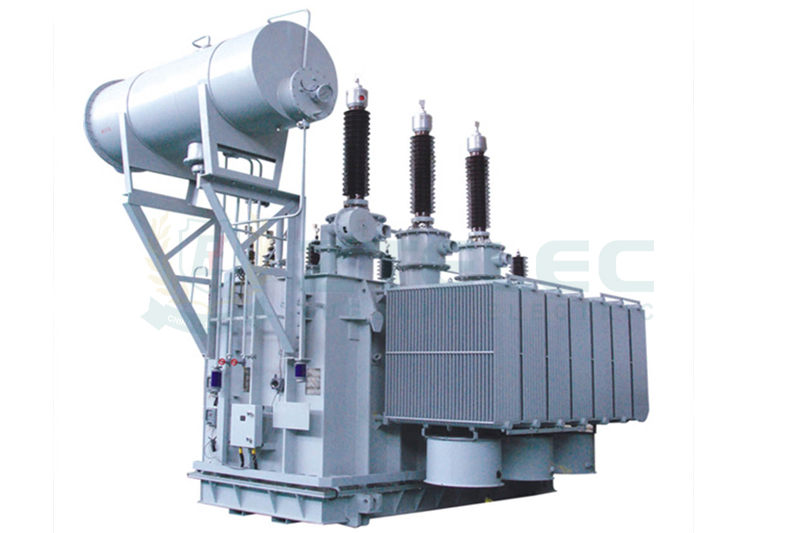
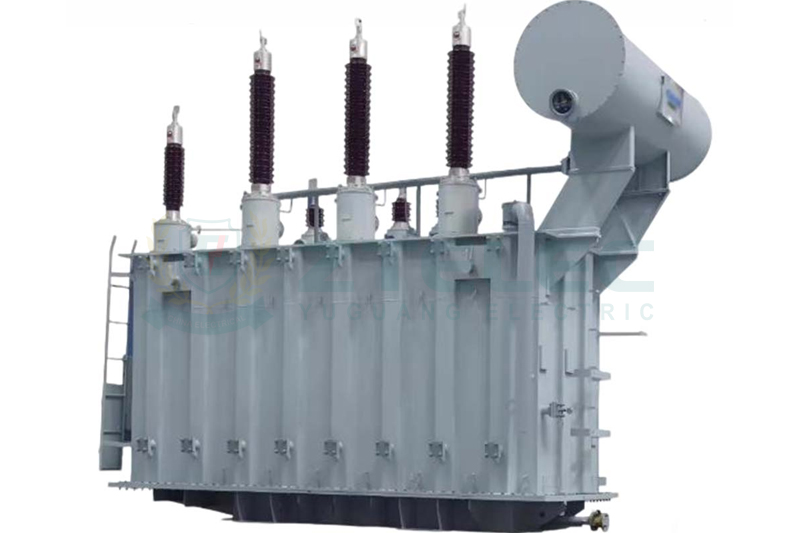
Oil-Immersed Power Transformers
Oil-immersed transformers face higher risks during cold starts and require close attention to the pour point and low-temperature viscosity of the insulating oil. Inadequate oil flow during initial energization may result in poor heat dissipation and uneven temperature distribution.
The low-temperature mechanical tolerance of paper insulation must also be evaluated, particularly for transformers that have been out of service for extended periods.
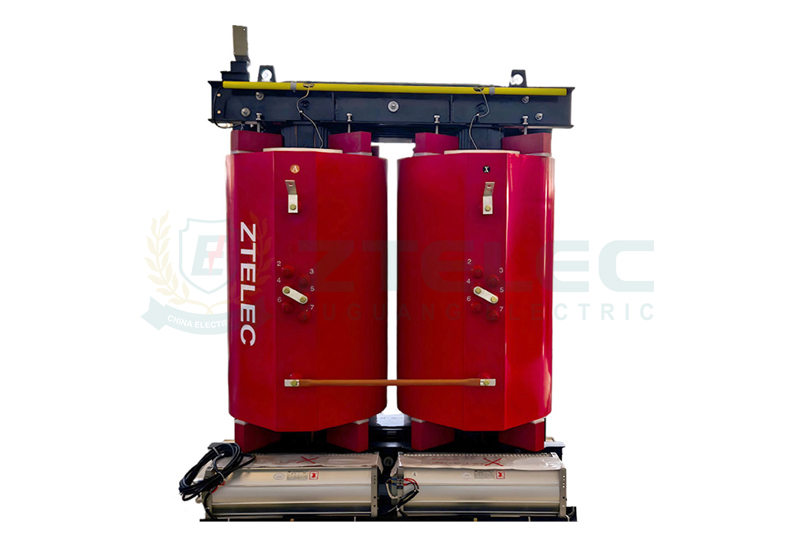
Dry-Type Transformers
Although dry-type transformers eliminate oil-related concerns, cold environments still present challenges. The mechanical strength of epoxy-cast windings at low temperatures must be verified, and air-cooling systems should be checked to ensure normal operation.
In addition, condensation caused by temperature fluctuations can affect surface insulation performance, increasing the risk of partial discharge.
Key Points for Starting Power Transformers in Cold Environments
Pre-Startup Environmental and Equipment Inspection
Before energizing a transformer, utilities should confirm whether the ambient temperature is below the minimum permissible operating limit, whether the transformer has been out of service for a long period, and whether frost, condensation, or moisture is present on insulation surfaces.
Controlled Startup Methods
No-load or low-load startup is strongly recommended in extremely cold conditions. Gradual load increase allows internal temperatures to rise evenly and reduces thermal and mechanical stress during initial operation.
Special Measures for Oil-Immersed Transformers
When required, preheating or low-load pre-running should be applied to raise oil temperature above the minimum startup threshold. Oil level, oil pumps, and oil flow indicators must be checked carefully before and during energization.

Enhanced Protection and Monitoring
Low-temperature protection settings should be verified, and key parameters such as winding temperature, top oil temperature, and partial discharge signals must be monitored in real time. The first 24 hours after startup are particularly critical and require intensified observation.
Transformer Design and Selection for Cold Region Projects
For long-term operation in cold climates, transformer design and selection play a decisive role. Insulation materials suitable for low temperatures should be specified, and low-pour-point insulating oil should be selected for oil-immersed transformers.
Incorporating heating devices, temperature control systems, or enhanced insulation structures during the design phase can significantly reduce operational risks. Minimum startup temperature requirements should be clearly defined in technical specifications.
Monitoring and Emergency Preparedness
Effective monitoring in cold environments includes tracking dissolved gas analysis results, partial discharge activity, temperature distribution, oil flow noise, and abnormal vibration. These indicators provide early warning of potential issues during cold startup.
Emergency preparedness plans should include clear shutdown procedures, availability of backup heating equipment, and assignment of qualified personnel for on-site monitoring during critical startup periods.
Starting power transformers in low-temperature environments involves more than simple energization. It requires comprehensive consideration of insulation behavior, mechanical stress, electrical performance, and operation and maintenance management.
By fully understanding the effects of cold temperatures and implementing standardized startup strategies, power utilities can ensure the safe, reliable, and long-term operation of power transformers in even the most challenging cold-climate conditions.