Top Oil-Immersed Transformer Manufacturers in 2026 — ISO Certified Global Suppliers
Time:2026-05-23 Auther:ZTelec-www.ztelectransformer.com
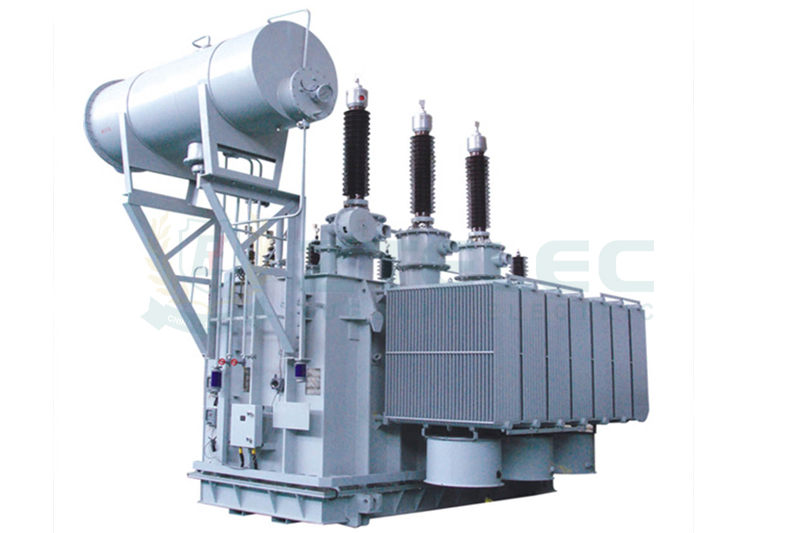
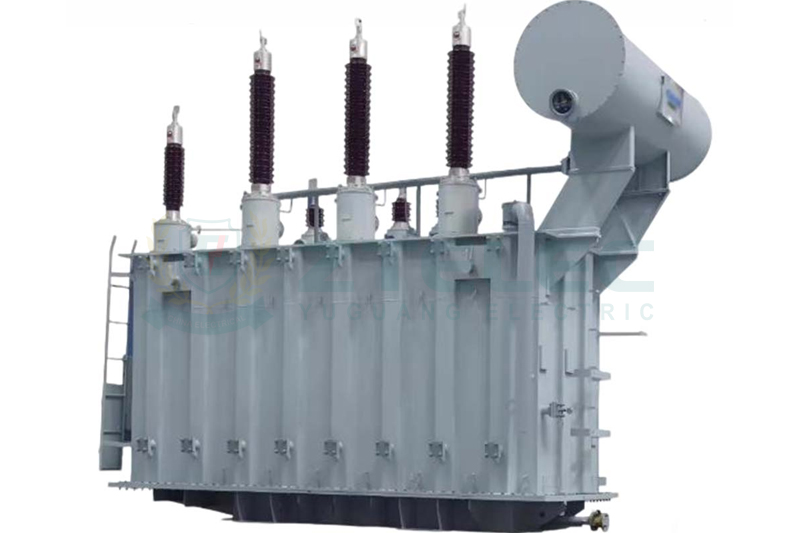
Global demand for oil-immersed transformers continues to grow in 2026. Power grid upgrades, renewable energy projects, industrial expansion, and data center construction are driving strong demand for reliable power distribution equipment. As one of the most important components in electrical systems, oil-immersed transformers play a critical role in ensuring stable and efficient power transmission.
For buyers, choosing the right transformer manufacturer is more important than ever. A high-quality transformer can improve system reliability, reduce energy losses, and lower long-term maintenance costs. On the other hand, selecting an unreliable supplier may lead to equipment failure, project delays, or expensive operational problems.
This guide explains how to identify the best oil-immersed transformer manufacturers in 2026. It covers ISO certifications, IEC standards, global supply capability, leading transformer brands, and practical procurement advice for international buyers.

Why Choosing the Right Transformer Manufacturer Matters
An oil-immersed transformer is a long-term investment. In many industrial and utility projects, transformers operate continuously for 20 to 30 years. Their performance directly affects the stability and safety of the entire electrical system.
Poor transformer quality can cause overheating, insulation aging, partial discharge problems, or unexpected shutdowns. These failures can interrupt production, damage electrical equipment, and increase maintenance expenses.
Because of this, buyers should not focus only on the lowest purchase price. It is equally important to evaluate the manufacturer’s production quality, certifications, technical experience, and after-sales service capability.
Key Certifications for Oil-Immersed Transformer Manufacturers
ISO 9001 Quality Management Certification
ISO 9001 is one of the most important certifications for transformer manufacturers. It confirms that the company follows a standardized quality management system covering raw material control, production processes, testing procedures, and customer service.
Most leading transformer manufacturers also hold additional certifications such as:
ISO 14001 environmental management certification for sustainable manufacturing practices.
ISO 45001 occupational health and safety certification for workplace safety management.
IEC 60076 compliance for international transformer design and testing standards.
International Market Certifications
Manufacturers supplying global markets often hold certifications required for specific regions and countries.
UL certification is important for the United States market. CE certification is required for Europe. KEMA certification is widely recognized in the international power industry. SASO certification is commonly required in Saudi Arabia and Middle Eastern markets.
A manufacturer with multiple international certifications usually has stronger technical capability and broader export experience.
Leading Oil-Immersed Transformer Manufacturers in 2026
Siemens Energy — Germany
Siemens Energy remains one of the world’s most respected transformer manufacturers. The company produces distribution transformers, power transformers, and ultra-high-voltage transformers for utility and industrial applications.
Its transformers are known for low energy losses, strong insulation systems, and long service life. Siemens Energy products are widely used in power plants, rail transit systems, offshore wind farms, and national grid projects.
The company also provides strong global technical support and international project experience.
Hitachi Energy — Switzerland and Japan
Hitachi Energy, formerly ABB’s power business, is a major global supplier of advanced transformer technology.
The company is well known for smart transformers equipped with digital monitoring systems and intelligent grid integration technology.
Hitachi Energy products are widely used in utility networks, renewable energy systems, and modern smart grid infrastructure projects.
Schneider Electric — France
Schneider Electric is a leading supplier in medium-voltage power distribution systems.
Its oil-immersed transformers are designed for high energy efficiency and comply with European ErP energy regulations.
One of Schneider Electric’s biggest advantages is its strong local support network, which helps customers receive faster installation, commissioning, and maintenance services.
TBEA — China
TBEA is one of the largest transformer manufacturers in China and an important supplier in the global power equipment market.
The company produces transformers from medium voltage to ultra-high-voltage levels and has strong experience in large utility projects.
TBEA products are exported to Asia, Africa, the Middle East, South America, and many other international markets.
For buyers looking for competitive pricing, fast production, and large-scale supply capability, TBEA is a strong option.
BTCE — China
BTCE, also known as Baoding Tianwei Baobian Electric, is one of China’s oldest transformer manufacturers.
The company has strong technical expertise in high-voltage transformers and converter transformers used in large power transmission projects.
BTCE is known for stable manufacturing quality and reliable transformer performance.
XD Group — China
XD Group is a major Chinese power equipment manufacturer with extensive experience in ultra-high-voltage transformer technology.
Its products are widely used in utility infrastructure projects and large-scale electrical transmission systems.
The company has also expanded rapidly into overseas markets through international infrastructure projects.

Mitsubishi Electric — Japan
Mitsubishi Electric is highly respected for manufacturing reliable and durable electrical equipment.
Its oil-immersed transformers are widely used in industrial applications requiring high operational reliability and long service life.
The company maintains a strong presence in Asian and Australian markets.
Hyundai Heavy Industries — South Korea
Hyundai Heavy Industries manufactures large-capacity power transformers for industrial and utility applications.
Its products comply with IEC and ANSI standards and are exported to many countries worldwide.
The company has become an important alternative supplier for international buyers seeking high-quality transformers outside traditional European suppliers.
How to Evaluate a Transformer Manufacturer
Production Capacity
Before placing an order, buyers should confirm whether the manufacturer has sufficient production capacity to meet project schedules.
During periods of strong global demand, long lead times can delay infrastructure projects and increase overall costs.
Raw Material Supply Chain
Stable access to silicon steel, copper conductors, insulation materials, and transformer oil is essential for reliable transformer production.
Manufacturers with strong supply chain control are generally more capable of maintaining stable delivery schedules.
International Shipping Experience
Oil-immersed transformers are large and heavy products that require professional transportation planning.
Experienced exporters can provide safer packaging, proper shipping protection, and better logistics management.
After-Sales Support
Technical support after delivery is extremely important for transformer projects.
Buyers should choose manufacturers that can provide installation guidance, commissioning support, spare parts supply, and fast maintenance response.
Digital Project Management
Many leading transformer manufacturers now provide digital order tracking and online production updates.
This improves project transparency and helps buyers monitor manufacturing progress more efficiently.
Transformer Market Trends in 2026
Higher Energy Efficiency Standards
Many countries are introducing stricter transformer energy efficiency regulations.
Buyers should ensure that transformers comply with the latest local efficiency standards and environmental requirements.
Growing Demand for Smart Transformers
Smart transformers equipped with temperature monitoring, oil analysis systems, and online diagnostic technology are becoming more common.
These systems improve operational reliability and help reduce maintenance risks.
Increasing Focus on ESG and Sustainability
More companies are considering environmental performance and carbon reduction targets when selecting suppliers.
Manufacturers with ISO 14001 certification and sustainable production practices have a stronger competitive advantage.
Regional Supply Chain Expansion
Some buyers now prefer suppliers with local assembly or regional support centers to reduce shipping risks and avoid import barriers.
Practical Procurement Advice
Before requesting quotations, buyers should clearly define transformer specifications, including voltage level, transformer capacity, cooling method, insulation requirements, and installation environment.
It is also recommended to compare multiple suppliers based on certifications, project references, production capability, and delivery lead time.
For large projects, factory audits and Factory Acceptance Tests (FAT) should be included in the procurement process.
Important FAT items usually include insulation resistance testing, loss testing, temperature rise testing, and partial discharge testing.
The global oil-immersed transformer market in 2026 is becoming more competitive, more efficient, and more technology-driven.
Choosing the right manufacturer is essential for ensuring long-term project reliability, stable power operation, and lower lifecycle costs.
The best transformer supplier is not always the cheapest one. Buyers should evaluate certifications, engineering capability, production quality, global delivery experience, and after-sales support before making a final decision.
By following a structured supplier evaluation process, buyers can reduce procurement risks and maximize the long-term value of their oil-immersed transformer investment.