Transformer Tender Specification: A Buyer’s Checklist
Time:2026-11-3 Auther:ZTelec-www.ztelectransformer.com
A transformer tender is only as good as its specification.
If the document is vague, bidders fill the gaps with their own assumptions. You then compare offers that are not truly comparable.
If it is clear and complete, you get clean bids, fewer clarification rounds and a transformer that fits the project for decades.
This checklist covers every section a buyer should include, whether you are buying an oil-immersed transformer or a dry-type transformer.

Why the Tender Specification Matters
It protects your budget
A strong specification makes every bid cover the same scope. Price differences then reflect real value, not missing items.
It protects you after delivery
The specification defines how the unit is tested and accepted. If the delivered transformer falls short, you have a clear basis for rejection or warranty claims.
It shortens the tender cycle
Clear documents reduce bidder questions and addenda. Evaluation moves faster, and the contract can be signed sooner.
With transformer lead times still long in many markets, every week saved matters.
1. Project Scope and General Information
Project basics
State the project name, location, end user and quantity of units. Add the required delivery schedule.
Scope of supply
Say whether the tender covers supply only. Or does it also include transport, installation, commissioning and training?
Bid administration
Include the submission deadline, bid validity period, document language and a technical contact person. These details look minor, yet they prevent many late misunderstandings.
2. Transformer Type and Application
Define the transformer technology clearly. The two main options differ in cooling, insulation, installation and safety.
Oil-immersed transformer
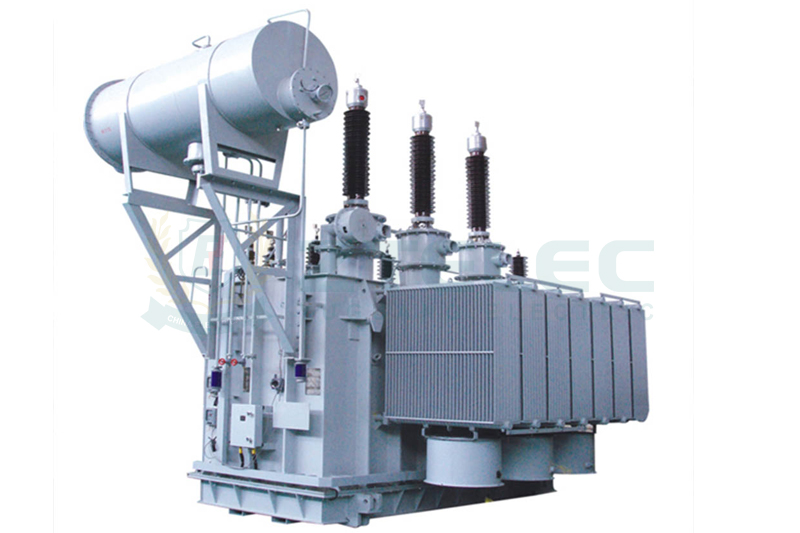
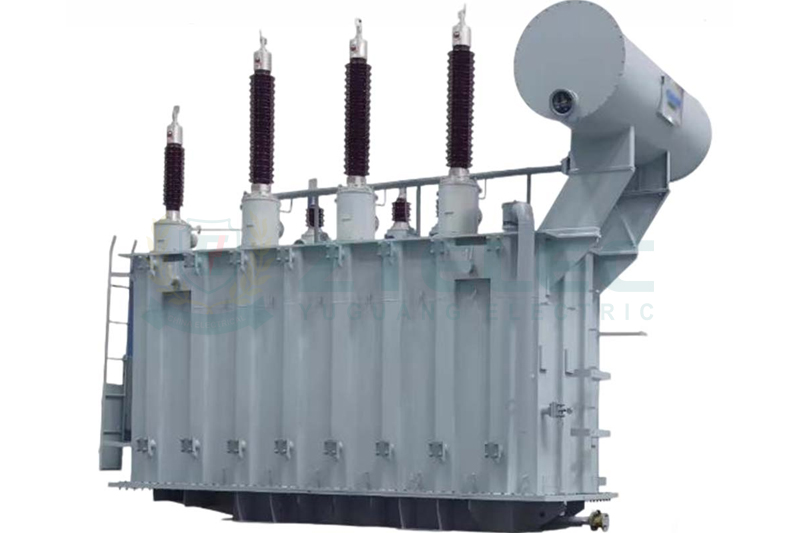
An oil-immersed transformer uses mineral oil or natural ester fluid for insulation and cooling. It is common in outdoor substations, utility networks, solar and wind plants, and heavy industry.
Specify the oil type, sealed or conservator design, and any fire-safety expectations.
Dry-type transformer
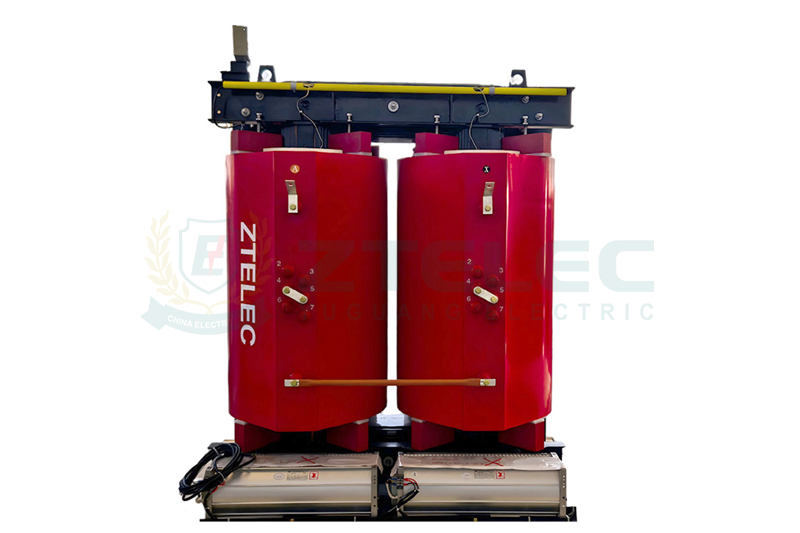
A dry-type transformer uses cast resin or varnish insulation and air cooling. It suits indoor sites, high-rise buildings, hospitals, tunnels and data centers.
Specify the insulation class, enclosure rating and whether forced-air cooling is required.
How to choose between the two
Choose an oil-immersed transformer when you want the lowest purchase price, strong overload capacity and outdoor installation.
Choose a dry-type transformer when fire safety, indoor placement or environmental protection comes first. It carries a higher upfront price, but it may save on civil work and cabling.
Open to both options?
Say so, and ask bidders to quote both. This lets you compare lifecycle cost fairly.
3. Electrical Ratings and Performance Data
This is the technical core of the tender. State every value below as a requirement, not as a suggestion.
| Parameter | What to Specify |
|---|---|
| Rated capacity | kVA or MVA, single or three phase |
| Frequency | 50 Hz or 60 Hz |
| Voltages | Primary, secondary and tapping range |
| Vector group | For example Dyn11 or YNd11 |
| Impedance | Short-circuit impedance and tolerance |
| Insulation level | Lightning impulse (BIL) and power-frequency withstand |
For higher voltage classes, insulation level drives both design and price. Never leave it open.
Cooling and temperature rise
State the cooling method, such as ONAN or ONAF for oil units, and AN or AF for dry-type units. Define the maximum temperature rise and the insulation class.
Overload and short-circuit capability
If the load will vary or grow, require a stated overload capacity. Ask bidders to prove short-circuit withstand by test or calculation.
Noise level
For sites near people, set a maximum sound level in decibels. Indoor dry-type installations often need this limit.
4. Losses and Energy Efficiency
Why losses matter
Losses are often the biggest hidden cost of a transformer. A unit can run for 25 to 30 years, so small efficiency gaps become large energy bills.
What to state
Give the maximum no-load loss and load loss at rated temperature. Or refer to a recognized efficiency standard.
Define the tolerance rules. Add a penalty method if tested values exceed the guaranteed figures.
Capitalize the losses
Many buyers assign a monetary value to each kilowatt of no-load and load loss. Bids are then ranked on lifecycle cost, not just purchase price.
A simple example
Imagine two offers for the same unit. One is cheaper but has 3 kW higher total losses. Over 25 years, that extra loss can cost far more than the price difference.
Without a loss clause, you would only see the lower price.
5. Applicable Standards
List every standard the transformer must meet. Typical references include IEC 60076 for power transformers and IEC 60076-11 for dry-type units. Others are the IEEE C57 series and GB/T 1094.
Give edition years and any local amendments. If you need special certificates, such as seismic or fire-behavior classes for a dry-type transformer, list them explicitly.
6. Construction and Material Requirements
Winding material
Specify copper or aluminium. They differ in losses, size and short-circuit strength, so leaving this open makes bids hard to compare.
Core material
State whether you require grain-oriented silicon steel, high-permeability steel or amorphous alloy.
Tank, enclosure and finish
For an oil-immersed transformer, define the tank design, radiator type, paint system and corrosion protection.
For a dry-type transformer, define the enclosure IP rating, coil protection and terminal arrangement.
7. Accessories and Protection Devices
Accessories are a common source of price differences. List all required items so every bidder quotes the same scope.
| Transformer Type | Typical Accessories |
|---|---|
| Oil-immersed transformer | Buchholz relay, oil level indicator, winding and oil temperature indicators, pressure relief device, silica gel breather, drain and sampling valves, marshalling box |
| Dry-type transformer | PT100 sensors or thermistors, temperature controller, cooling fans, lifting lugs, rollers, grounding terminals |
State the alarm and trip contacts your control system requires.
8. Site and Environmental Conditions
Describe the installation environment in detail.
Climate and location
Include altitude, minimum and maximum ambient temperature, humidity and wind load. State clearly whether the site is indoor or outdoor.
Special risks
Note pollution level, seismic zone and coastal corrosion. Altitude above 1000 m or high ambient temperature may require derating or special insulation.
If bidders do not know these conditions, they may quote a standard design that fails in service.

9. Testing and Inspection Requirements
Testing confirms that the transformer meets the specification. Define the scope clearly.
Routine tests
Typical routine tests include winding resistance, ratio and polarity, no-load and load loss, impedance voltage, applied voltage and induced voltage. For dry-type units, add partial discharge testing.
Type and special tests
For larger or critical units, request temperature rise, lightning impulse and short-circuit withstand tests. Or ask for valid reports on an identical design.
Witnessing and failure rules
State who will witness the factory acceptance test and who pays for travel. Define what happens if a test fails. Require test reports before shipment.
Site tests
Require insulation resistance, ratio and functional checks of protection devices after installation. For an oil-immersed transformer, add oil quality tests before energizing.
10. Documentation and Drawings
Require technical documents with the bid, not after the award. This lets you check compliance before signing a contract.
With the bid
Ask for a completed technical data sheet, general arrangement drawing, loss and impedance guarantees, accessory list, reference list and quality certificates.
After the award
Ask for final drawings, nameplate drawing, test reports, manuals and a spare parts list.
11. Packing, Transport and Delivery Terms
Incoterms and destination
Specify the Incoterm, such as FOB, CIF or DAP, and the delivery location.
Packing and shipping
Define moisture protection and shock recorders for long transport. For an oil-immersed transformer, state whether it ships filled with oil or with nitrogen gas.
Delivery time
State the required delivery date, partial shipment rules and penalties for delay. Lead time is a real risk today, so ask bidders to confirm production slots in writing.
12. Warranty, Service and Spare Parts
Define the warranty period and what it covers. A common requirement is 12 to 24 months after commissioning, or 18 to 30 months after shipment, whichever comes first.
Ask for response time commitments and local service support. Request a list of recommended spare parts with prices.
13. Commercial Terms and Bid Evaluation
Commercial terms
Describe payment terms, performance bond, advance payment guarantee and liquidated damages. Say whether prices are fixed or subject to raw material adjustment.
Evaluation method
Score technical compliance first. Then compare price, capitalized losses, delivery time, supplier experience and after-sales support.
Publish the criteria in advance. It improves bid quality and reduces disputes.
Sample scoring weights
The weights below are only an example. Adjust them to your project priorities.
| Criterion | Example Weight |
|---|---|
| Technical compliance | 35% |
| Price and capitalized losses | 35% |
| Delivery time | 10% |
| Supplier experience and references | 10% |
| After-sales service and warranty | 10% |
Write requirements in measurable terms
Avoid phrases like “high quality” or “low losses”. Use numbers, standards and test methods instead.
A measurable requirement is easy to verify, and it is easy to enforce if a dispute arises.
Common Tender Specification Mistakes
Copying an outdated specification
Standards, material costs and site conditions change. Old clauses can lock you into obsolete designs.
Leaving key values open
If impedance, winding material or losses are not fixed, bidders choose the cheapest option. You cannot compare offers fairly.
Ignoring the factory
Ask for production capacity, test facilities and past project references. A strong paper bid from a weak manufacturer is still a risk.
Skipping supplier qualification
Set minimum requirements for bidders, such as years of experience, similar projects and valid quality certificates like ISO 9001.
Forgetting acceptance criteria
State how the transformer will be accepted, rejected or repaired if tests show deviations.
Quick Pre-Issue Checklist
Before you send the tender, confirm that these items are covered:
| Area | Items to Confirm |
|---|---|
| Basics | Scope, transformer type, quantity |
| Electrical | Ratings, impedance, vector group, loss limits |
| Design | Standards, winding and core materials, accessories, site conditions |
| Quality | Test scope, documents, acceptance rules |
| Commercial | Delivery terms, warranty, evaluation method |
If any row is incomplete, the specification is not yet ready.
A good tender specification protects your budget, schedule and long-term reliability. It makes bids comparable and gives you a solid basis for acceptance.
Whether you buy an oil-immersed transformer for an outdoor substation or a dry-type transformer for an indoor facility, the same discipline applies. Be specific, state your test and loss requirements, and evaluate on lifecycle value.
Share the complete technical details with qualified manufacturers, and you will receive clearer quotations and a better outcome for your project.