Transformer Warranty Terms: What to Include in Your Contract
Time:2026-11-5 Auther:ZTelec-www.ztelectransformer.com
A transformer is a long-term asset. A well-built unit can run for 25 to 30 years, but the first few years reveal most manufacturing defects.
That is why the warranty clause is one of the most important parts of a transformer purchase contract. Vague wording can leave you paying for repairs that the supplier should cover.
This guide explains which warranty terms to include, how to define them clearly, and what to check before you sign, whether you are buying oil immersed transformers, dry type transformers or a complete substation.

Why Transformer Warranty Terms Matter
A transformer failure rarely means only a repair bill. It can stop a production line, interrupt power to a building or delay a solar project.
The warranty sets out who pays, who acts and how fast. Without clear terms, each party reads the contract in its own favor when a problem appears.
Protecting Your Investment
A strong warranty transfers the risk of hidden defects to the manufacturer. It also encourages the supplier to control quality, since failures within the warranty period cost the supplier money.
Avoiding Disputes
Most warranty disputes come from unclear wording, such as undefined start dates or missing exclusions. Clear terms written at the contract stage prevent long arguments later.
Warranty Period: How Long Should Coverage Last?
The warranty period is the first item buyers check, but the start date matters just as much as the length.
Typical Warranty Lengths
For distribution transformers, common warranty periods run from 12 to 36 months. Large oil immersed power transformers may carry longer terms, and some manufacturers offer extended coverage on request.
Dry type and cast resin units often follow similar periods. Always compare the period across suppliers using the same starting point.
Define the Start Date
State exactly when the warranty begins. Common options are the date of delivery, the date of commissioning, or a fixed number of months after shipment, whichever comes first.
For export projects, a clause such as “24 months from commissioning, but not more than 30 months from shipment” is typical. It protects both sides when installation is delayed.
Extensions After Repairs
Consider adding a clause that restarts or extends the warranty on any repaired or replaced component. This keeps the new part covered for a full period.

What the Warranty Should Cover
List the covered items explicitly. A general phrase like “covers all defects” invites different readings.
Defects in Materials and Workmanship
The core of any warranty is protection against defects in materials, design and workmanship. This includes the core, windings, tank, bushings and internal connections.
Performance Guarantees
Include guaranteed values for no-load loss, load loss, impedance and temperature rise, with agreed tolerances based on IEC 60076 or the standard in your contract.
State what happens if test results or field performance exceed those values. Many buyers add a loss penalty formula that reduces the price per kilowatt of excess loss.
Accessories and Components
Clarify whether the warranty covers accessories such as tap changers, Buchholz relays, temperature controllers, cooling fans and protection devices.
Some component makers give their own warranty terms. Ask the supplier to confirm that the main contract covers these parts or passes the component warranty to you.
Common Exclusions to Review Carefully
Every warranty has exclusions. Reasonable ones are normal, but overly broad ones can empty the warranty of value.
Reasonable Exclusions
Typical fair exclusions include damage from misuse, overloading beyond nameplate ratings, lightning or grid surges outside design limits, flood, fire, and unauthorized repair or modification.
Normal wear of consumable parts, such as gaskets after many years, is usually excluded as well.
Exclusions That Need Negotiation
Be careful with phrases such as “improper installation” or “abnormal operating conditions” without definitions. Ask the supplier to define them by reference to the technical specification.
Also check whether the warranty is void if you use a local contractor for installation. Request that installation follow the supplier’s manual, not that the supplier performs it.
Operating Conditions
Record the design conditions in the contract: ambient temperature, altitude, humidity, harmonic content and load profile. A warranty is only valid within those conditions.
If your site has special needs, such as high altitude, coastal salt air or high harmonics, state them before production so the design reflects them.
Claim Procedure and Response Time
A warranty is only as good as its claim process. Define how to report a fault and how quickly the supplier must act.
Notification Requirements
Set a reasonable notice period, for example 14 to 30 days after discovering the defect. Avoid very short deadlines that you could miss in an emergency.
Specify the accepted notice method, such as email with photos, test records and a short fault description.
Supplier Response Time
Require the supplier to respond within a fixed time, for example 48 to 72 hours, and to propose a solution within a set number of days.
For critical projects, add a clause for on-site technical support or a remote diagnosis session.
Inspection and Root Cause Analysis
Agree who investigates the failure and how. For serious faults, a joint inspection or an independent laboratory analysis can settle disputes fairly.
Define who pays for the analysis if the cause turns out to be a manufacturing defect, and who pays if it does not.
Remedies: Repair, Replace or Refund
The remedy clause answers the question buyers care about most: what will the supplier actually do?
Repair or Replacement
Most warranties give the supplier the right to repair or replace defective parts at its own cost. Specify that replacement parts must be new and of equal or better quality.
For failures of the whole unit, include a right to a replacement transformer if repair is not feasible or takes too long.
Transport and Site Costs
State who pays for transport of the faulty unit or part, customs charges, crane hire, labor and travel. These costs can exceed the part price in overseas projects.
A fair term is that the supplier covers parts, labor and freight for valid claims during the warranty period.
Time Limit for Completion
Set a deadline for finishing the repair, for instance within 30 to 60 days. Add a right to repair elsewhere at the supplier’s cost if the deadline passes.

Liability Limits and Consequential Loss
Many suppliers cap liability at the contract price and exclude indirect losses such as lost production or lost profit.
Understanding the Cap
A cap at 100 percent of the contract value is common. Review whether it fits the risk of your project, especially if the transformer supplies a high-value process.
Indirect Damage
If downtime is costly, discuss whether limited compensation or a performance bond is possible. Even if the supplier refuses indirect loss, clear language prevents surprise exclusions later.
Warranty Security: Bonds and Guarantees
A promise matters only if the supplier can honor it. For larger orders, ask for financial security.
Performance Bond or Retention Money
Common tools include a warranty bond, a bank guarantee or retention of 5 to 10 percent of the contract price until the warranty ends.
These protect you if the supplier is slow to respond or becomes unable to perform.
Supplier Track Record
Check the manufacturer’s history, test reports, factory capacity and references. A reliable transformer manufacturer will welcome these questions.
Warranty Conditions for Different Transformer Types
The structure is similar across products, but details change with design.
Oil Immersed Transformers
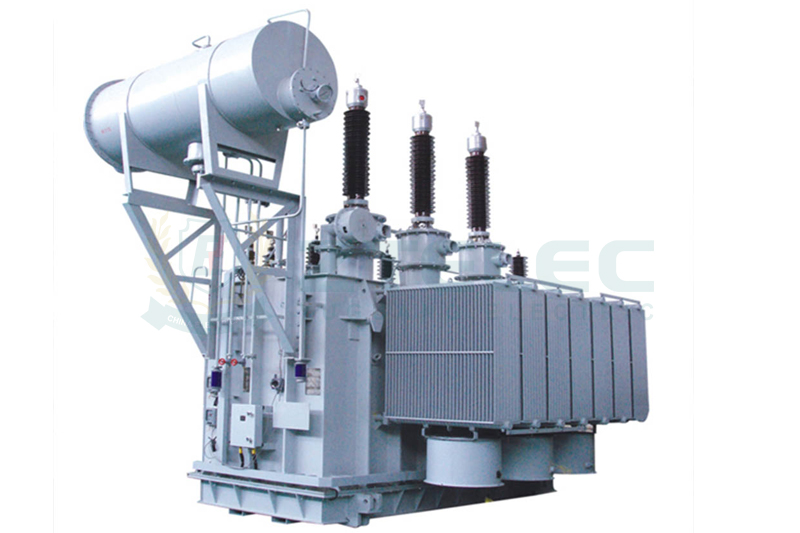
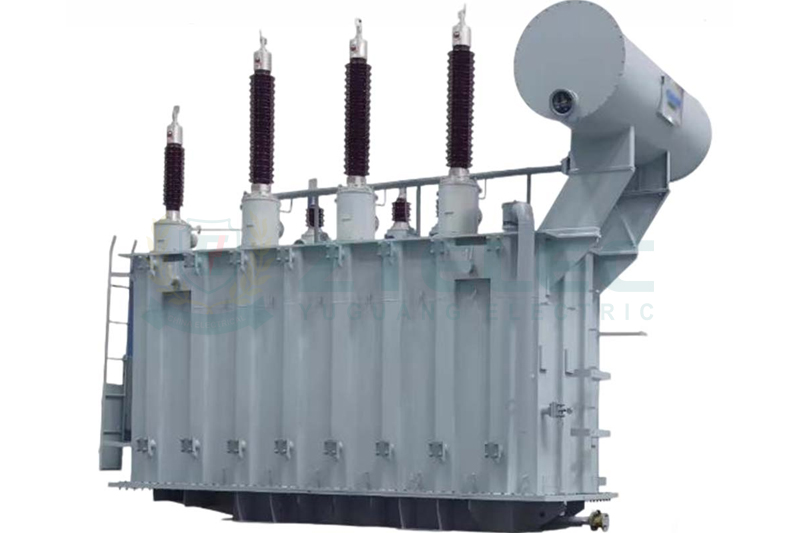
For oil filled transformers, include oil quality, leaks, gasket integrity, bushing failure and tank defects. Ask for dissolved gas analysis guidance and routine oil test intervals that keep the warranty valid.
Dry Type and Cast Resin Transformers
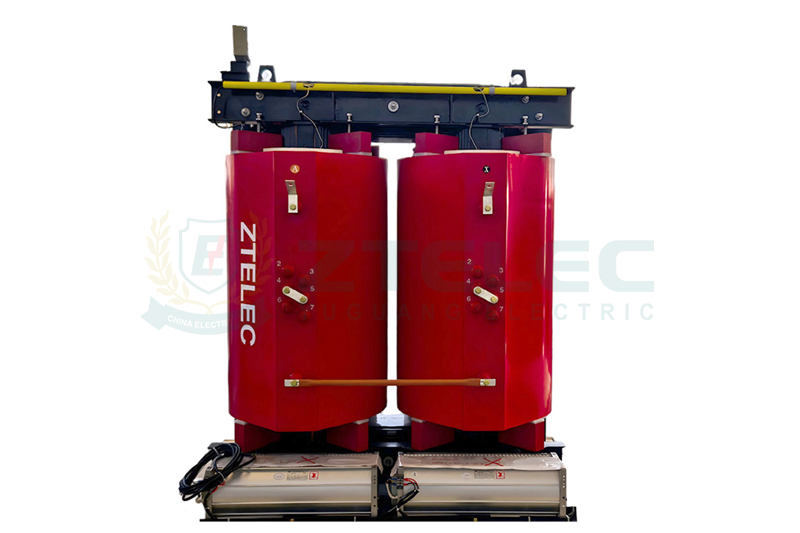
For dry cast resin transformers, cover winding cracks, partial discharge problems and insulation failures. State the ambient and humidity conditions in which the warranty applies, and any required space for ventilation.
Substations and Pad-Mounted Units
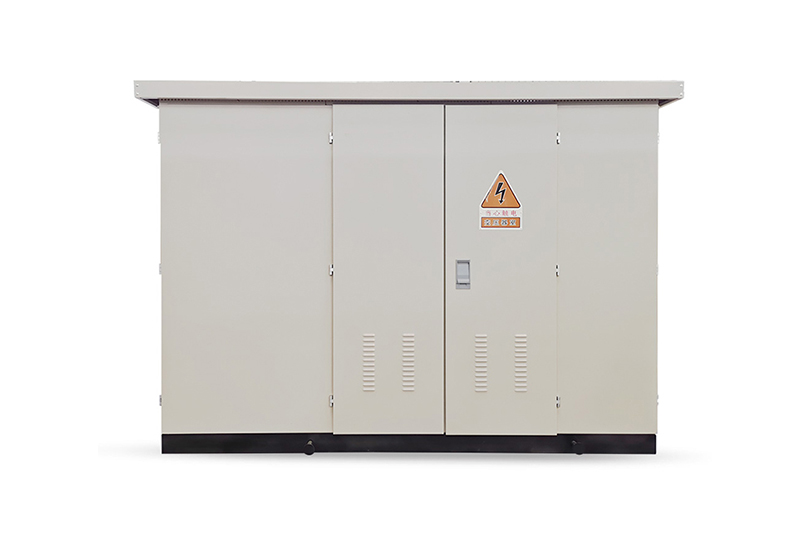
For compact substations and pad-mounted transformers, specify which parts of the enclosure, switchgear and low-voltage panel fall under the same warranty.
Maintenance Obligations for Keeping the Warranty Valid
Suppliers often require basic maintenance to keep the warranty in force. Ask for the list in writing so you can plan it.
Typical tasks include periodic inspection, cleaning, tightening of connections, oil testing for oil-immersed units and temperature monitoring for all types.
Keep records of loads, tests and inspections. If a claim arises, these records prove the equipment was operated properly.
Pre-Contract Checklist
Before signing, review these questions with your legal and technical teams.
Is the warranty start date clear? Are covered and excluded items listed? Does the contract state response times and who pays freight and labor? Are performance guarantees and loss tolerances included?
Is there a bond or retention to back the warranty? Do the terms match the standards and operating conditions in your technical specification?
Request a Transformer Quotation with Clear Warranty Terms
ZTelec supplies oil immersed transformers, dry type and cast resin transformers, and prefabricated substations, built to IEC 60076 with documented test reports and after-sales support.
Send your kVA rating, voltage ratio, installation site and warranty requirements to receive a technical proposal and quotation with clear warranty terms.