Why 10–35 kV Dry-Type Distribution Transformers Are Ideal for Urban, Industrial, and Commercial Power Grids
Time:2025-12-8 Auther:ZTelec-www.ztelectransformer.com
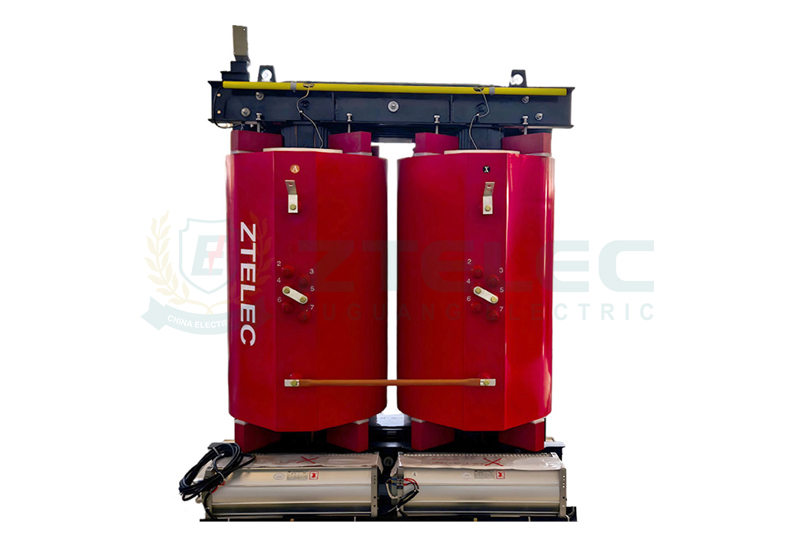
10–35 kV dry-type distribution transformers are widely used across urban power grids, industrial substations, and commercial facilities due to their high safety performance, reliability, and low maintenance requirements. As global energy structures evolve and electricity demand continues to rise, dry-type transformers have become the preferred choice for medium-voltage distribution systems. This article provides a comprehensive analysis of their advantages, applications, and key selection factors.
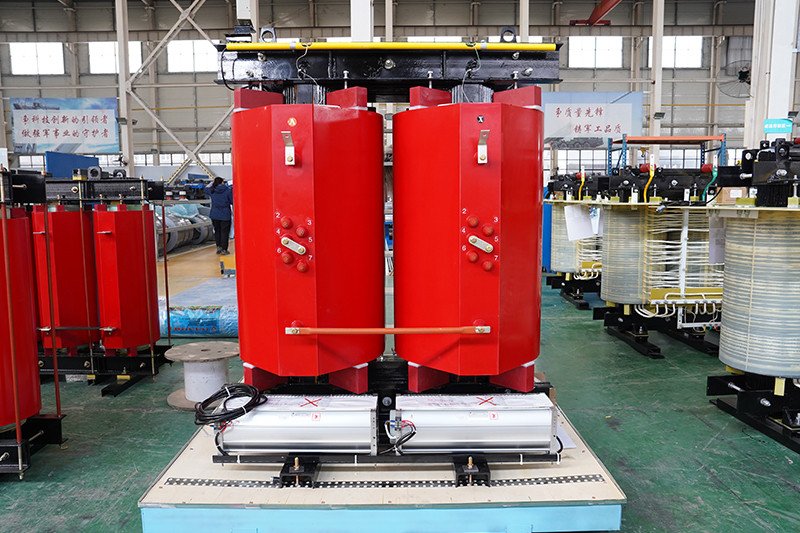
Advantages of 10–35 kV Dry-Type Distribution Transformers
Excellent Safety and Fire Resistance
Dry-type transformers use solid insulation materials and do not require insulating oil, eliminating risks of oil leakage or fire. This makes them ideal for high-density and high-safety areas such as urban high-rise buildings, subway stations, hospitals, schools, commercial centers, data centers, and industrial environments with flammable or hazardous materials.
Environmentally Friendly and Highly Adaptable
With no insulating oil required, dry-type transformers avoid the possibility of oil contamination. Their compact structure enables installation in tight spaces such as underground substations and indoor electrical rooms. Low-noise performance helps meet strict urban noise control standards.
High Reliability and Easy Maintenance
Dry-type transformers operate without the need for oil testing or oil replacement. Their dust-resistant and moisture-resistant design allows reliable operation even in harsh environments. The typical protection level is IP20 or above, and the expected service life ranges from 20 to 30 years.
Low Operating Energy Consumption
Advanced silicon steel materials and optimized core design significantly reduce no-load and load losses. These transformers comply with global energy efficiency standards such as GB 20052. Their air-based cooling system eliminates the need for complex oil-cooling equipment, further reducing operational energy costs.
Convenient Monitoring and Smart Management
Modern dry-type distribution transformers support intelligent features including real-time winding temperature monitoring, fault alarms, and remote communication interfaces. These allow transmission of key operating data to monitoring centers, enabling predictive maintenance and improving long-term stability.

Why 10–35 kV Dry-Type Transformers Are Preferred in Different Power Grids
Urban Distribution Networks
Urban power grids face challenges such as limited space, strict fire safety requirements, and environmental restrictions. Dry-type transformers are ideal for installation in basements of high-rise buildings, subway stations, shopping malls, and residential substations. Their low-noise, zero-pollution, and high-safety characteristics significantly strengthen grid reliability and flexibility.
Industrial Power Distribution Systems
Industrial and mining facilities demand continuous and stable power supply, often operating in dusty, humid, or corrosive conditions. To meet such needs, 10–35 kV dry-type transformers can be equipped with H-class insulation materials, IP23–IP54 protection ratings, and cast resin coils with strong mechanical strength. These features ensure reliable operation under heavy-load and impact-load conditions, such as in metal processing plants, chemical factories, and mining operations.
Commercial Power Grids
Commercial complexes, office buildings, hospitals, and campuses require high reliability and compliance with strict environmental and noise standards. The maintenance-free design, compact size, and easy installation of dry-type transformers streamline construction. Without oil-based fire risks, facilities can reduce long-term operational and fire protection costs.
Key Considerations When Selecting 10–35 kV Dry-Type Distribution Transformers
Parameter Matching
Accurately determine voltage level and rated capacity based on actual load characteristics and future expansion plans.
Installation Environment
Ensure adequate ventilation and heat dissipation conditions at the installation site, especially for indoor substations and underground rooms.
Cost and Life-Cycle Analysis
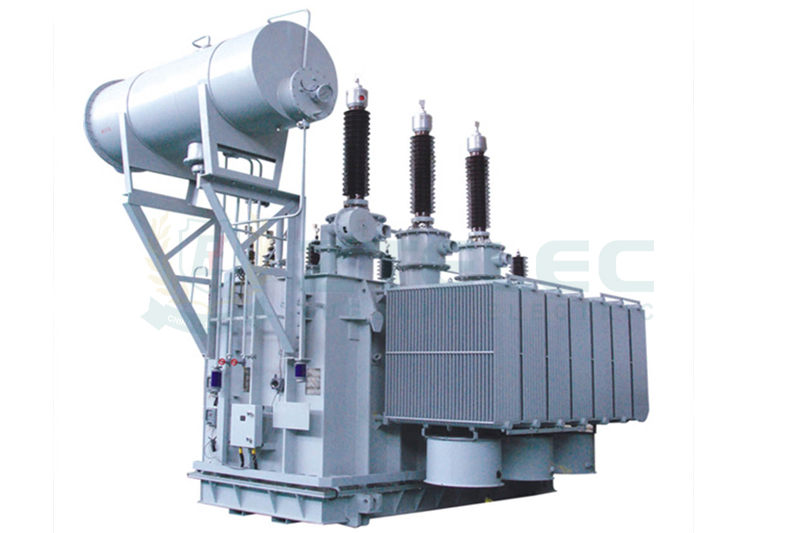
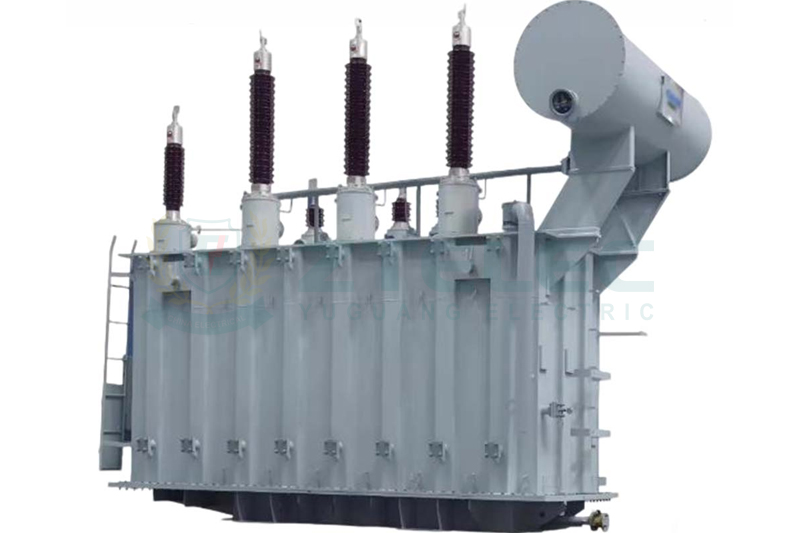
Although initial investment may be higher compared to oil-immersed transformers, dry-type transformers offer lower maintenance costs and higher safety, resulting in reduced total life-cycle cost.
Environmental Adaptation
Select transformers with appropriate insulation classes and protection ratings according to humidity, dust level, temperature, salt fog, or chemical corrosion conditions.
10–35 kV dry-type distribution transformers combine high safety performance, environmental friendliness, low maintenance needs, and strong reliability. They meet the demanding requirements of urban power grids, industrial parks, and commercial buildings. As smart grid technologies advance and green energy continues to grow, dry-type transformers will remain the preferred medium-voltage solution for future power distribution projects.