Working Principle of Oil-Immersed Transformers and Their Importance in Power Systems
Time:2025-12-17 Auther:ZTelec-www.ztelectransformer.com
Transformers are one of the most important components in modern power systems. Without them, electricity could not be transmitted efficiently over long distances or safely distributed to end users.
Among all transformer types, oil-immersed transformers are the most widely used. Their stable performance, high efficiency, and proven reliability make them a standard solution in transmission and distribution networks worldwide.
This article explains how oil-immersed transformers work and why they continue to play a critical role in today’s power systems.

What Is an Oil-Immersed Transformer?
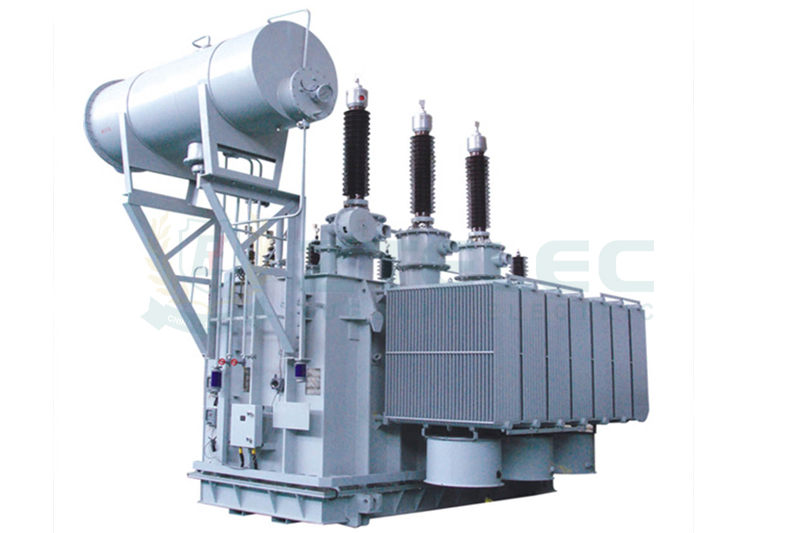
An oil-immersed transformer is a power transformer in which the core and windings are completely submerged in insulating oil. The oil surrounds all active parts inside the transformer tank.
This insulating oil performs several essential functions at the same time. It electrically isolates the windings, removes heat generated during operation, and protects internal insulation from aging and discharge damage.
Oil-immersed transformers are commonly used at voltage levels such as 10 kV, 35 kV, 66 kV, and 110 kV, with capacities ranging from small distribution units to large power transformers rated in hundreds of MVA.
Main Structure of an Oil-Immersed Transformer
The transformer core is made of laminated silicon steel sheets. This structure reduces magnetic losses and improves operating efficiency.
The windings are manufactured from copper or aluminum conductors. They are wrapped with multiple layers of insulation to withstand electrical stress and temperature rise during long-term operation.
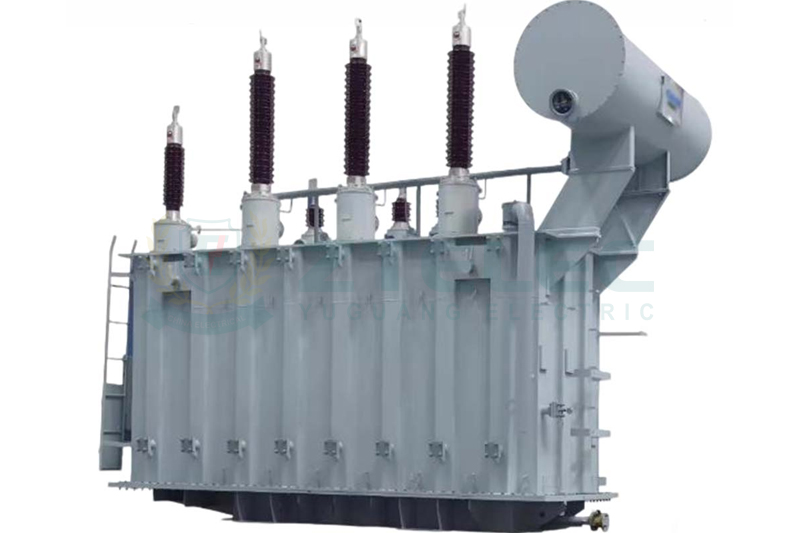
Insulating oil fills the transformer tank and circulates naturally or through cooling systems. Radiators and cooling surfaces transfer heat to the surrounding air, while bushings safely bring high-voltage connections out of the tank.
Protective devices such as gas relays, pressure relief valves, and oil temperature indicators continuously monitor internal conditions and help prevent serious failures.
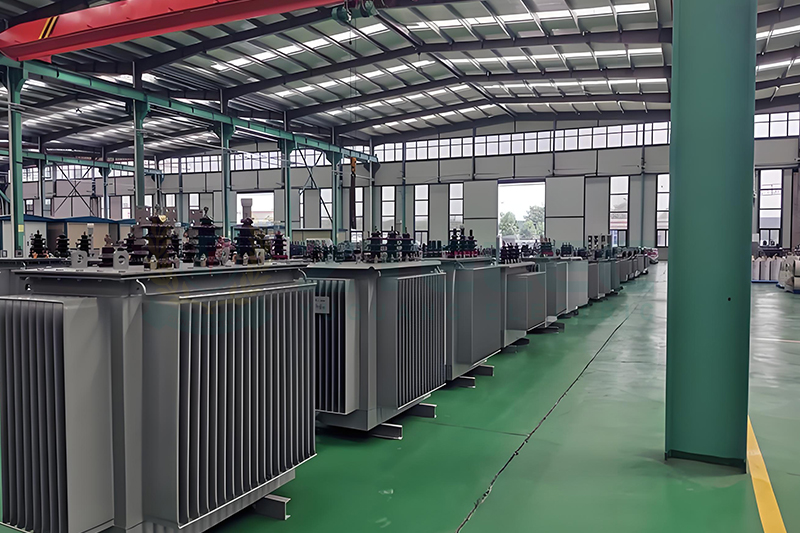
Working Principle of Oil-Immersed Transformers
Oil-immersed transformers operate based on the principle of electromagnetic induction.
When an alternating current flows through the primary winding, it creates an alternating magnetic field inside the transformer core. This magnetic field passes through the core and links with the secondary winding.
As a result, a voltage is induced in the secondary winding. By changing the number of turns on each winding, the transformer can step voltage up or step it down to the required level.
The voltage ratio depends directly on the turns ratio, allowing efficient energy transfer without any physical contact between circuits.
Why Oil-Immersed Transformers Are Important in Power Systems
Voltage Transformation Across the Grid
At power plants, oil-immersed transformers increase generator voltage to high levels such as 110 kV or above. This reduces energy losses during long-distance transmission.
At substations and load centers, transformers lower voltage step by step to levels suitable for industrial equipment, commercial buildings, and residential users.
High Efficiency and Stable Operation
The use of insulating oil allows excellent heat dissipation. This enables oil-immersed transformers to operate under heavy loads while maintaining stable temperatures.
Modern designs often achieve efficiencies above 99%, helping power systems reduce losses and improve overall energy utilization.
Reliability and Operational Safety
Insulating oil suppresses partial discharge and prevents internal electrical arcs from spreading. It also slows down the aging of solid insulation materials.
Monitoring systems such as gas relays and temperature sensors detect abnormal conditions early, allowing operators to take action before faults become serious.
Economic and Practical Advantages
Oil-immersed transformers cover a wide range of capacities and applications. Their manufacturing technology is mature, and maintenance costs are relatively low.
With proper maintenance, their service life typically reaches 25 to 40 years, making them a cost-effective solution for long-term power projects.
Maintenance and Common Operating Issues
Regular oil testing is essential to monitor moisture content, insulation quality, and dissolved gases. These tests provide early warning of internal problems.
Cooling systems should be kept clean to ensure effective heat dissipation. Loose connections can cause local overheating and must be checked during routine inspections.
High oil temperature often indicates overload or cooling failure. A drop in oil breakdown voltage means the oil should be filtered or replaced. Dissolved gas analysis showing gases such as acetylene may signal internal faults.
Oil-immersed transformers combine a simple working principle with excellent insulation and cooling performance. This combination explains why they remain the backbone of modern power systems.
From conventional transmission networks to renewable energy projects and international engineering applications, oil-immersed transformers continue to support safe, stable, and efficient power delivery around the world.