10kV Oil-Immersed Transformer Working Principle and Application Analysis
Time:2025-11-12 Auther:ZTelec-www.ztelectransformer.com
The 10kV oil-immersed transformer is an essential piece of equipment in modern power transmission and distribution systems. It is widely applied in power grids, industrial facilities, and commercial buildings to achieve efficient voltage conversion through the principle of electromagnetic induction. This article provides a detailed explanation of the working principle, core structure, applications, and advantages of the 10kV oil-immersed transformer, helping you better understand this key power device.
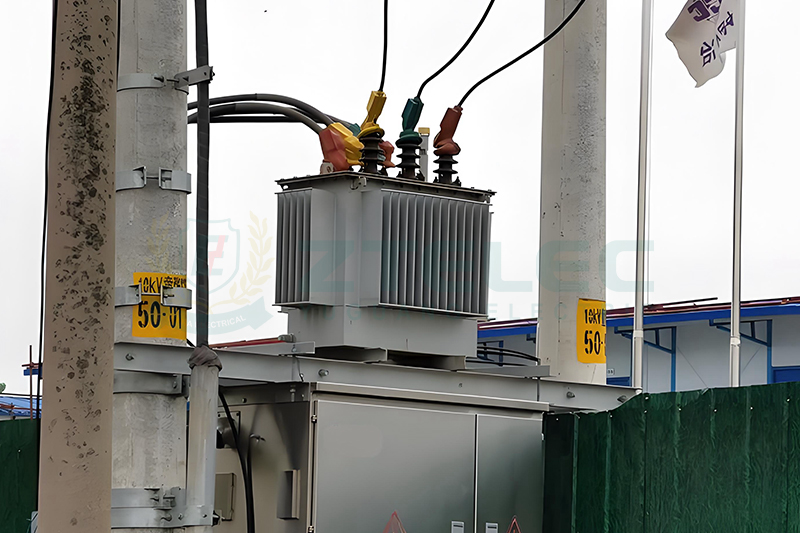
Working Principle of the 10kV Oil-Immersed Transformer
The 10kV oil-immersed transformer operates based on Faraday’s law of electromagnetic induction. When alternating current flows through the primary winding, it generates an alternating magnetic field. This magnetic field passes through the laminated iron core to the secondary winding, inducing a voltage in it. The voltage conversion ratio depends on the turns ratio between the primary and secondary windings:
If the primary winding has more turns than the secondary winding, the transformer performs voltage reduction; if the secondary winding has more turns, it achieves voltage elevation.
Main Functions of Transformer Oil
The transformer is filled with insulating oil, which plays several critical roles:
Insulation: Prevents short circuits and arcing between windings.
Cooling: Circulating oil dissipates heat and maintains a stable operating temperature.
Protection: Slows insulation aging, extending equipment lifespan.
Structure and Components of 10kV Oil-Immersed Transformer
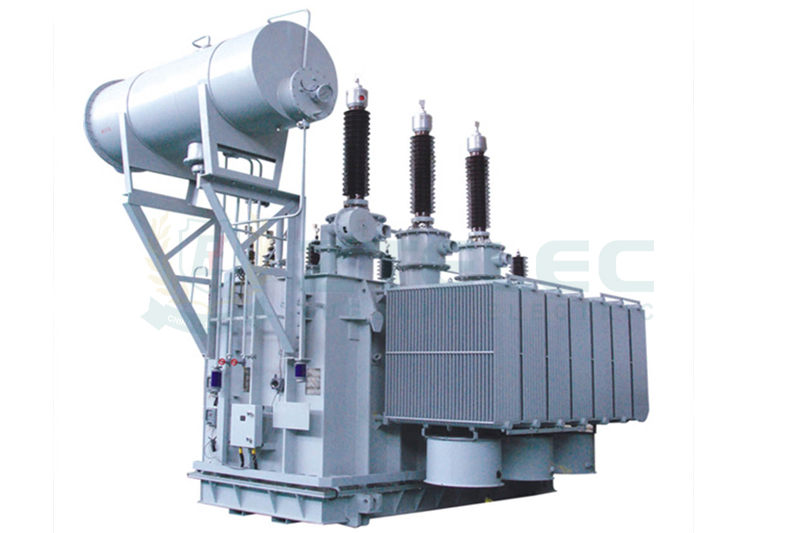
1. Core
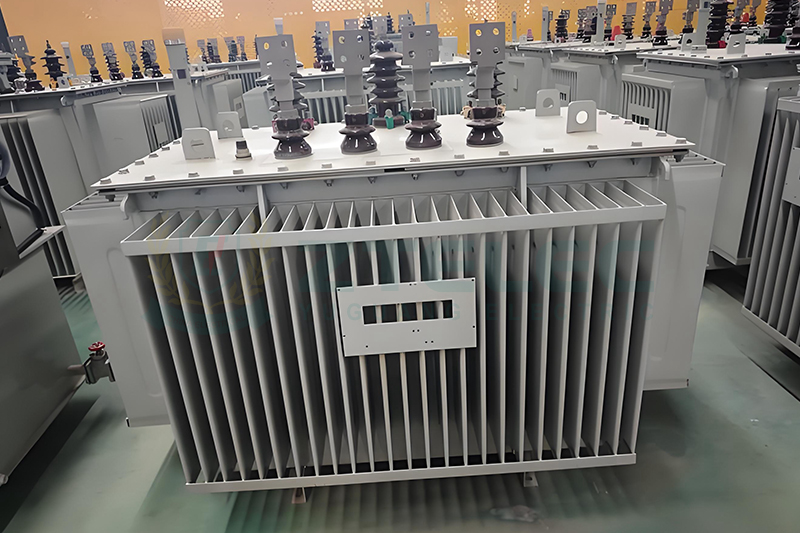
The core is made of high-quality silicon steel sheets stacked to reduce hysteresis and eddy current losses, improving operational efficiency.
2. Windings
The windings include high-voltage (10kV side) and low-voltage coils, usually made from copper or aluminum for superior conductivity and mechanical strength.
3. Insulating Oil
Usually composed of mineral oil or synthetic oil, it features excellent dielectric strength, heat resistance, and oxidation stability.
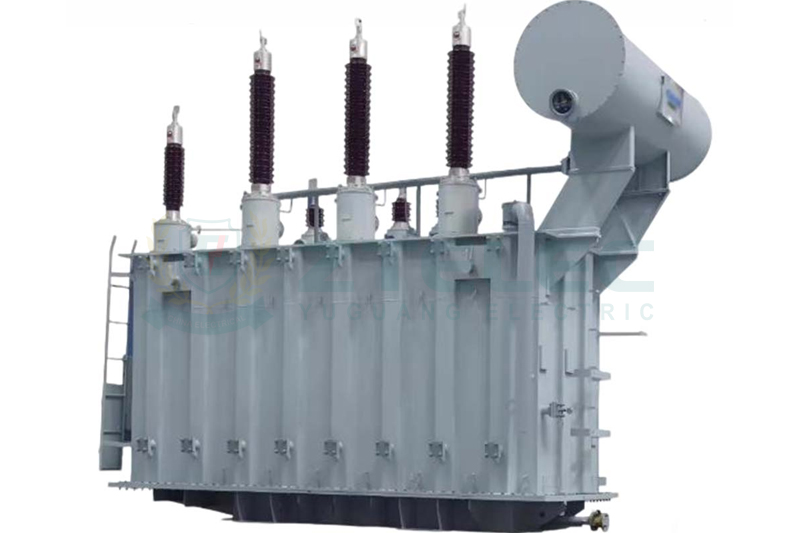
4. Tank
The transformer tank has a sealed steel structure to prevent oil leakage and external contamination, ensuring long-term stable operation.
5. Protection Devices
It is equipped with devices such as Buchholz relays, pressure relief valves, and thermometers to detect abnormal conditions and ensure operational safety.
Application Scenarios of 10kV Oil-Immersed Transformers
1. Urban and Rural Power Distribution Networks
The 10kV oil-immersed transformer serves as a key node in distribution networks, stepping down high-voltage electricity (35kV or 110kV) to 10kV or 400V. It is commonly installed in outdoor pole-mounted substations, community power stations, and switching stations, providing stable power for residential and commercial loads.
2. Industrial and Manufacturing Power Supply
In industrial settings such as factories, mines, and large workshops, these transformers play a vital role in:
Powering large equipment: Supplies energy to large motors, compressors, and furnaces operating at 10kV.
Workshop power distribution: Steps down and distributes voltage to low-voltage cabinets powering production lines and lighting systems.
They are typically installed in independent substations or indoor distribution rooms for safe and efficient operation.
3. Renewable Energy Power Plant Integration
In renewable energy projects such as wind farms and solar photovoltaic power plants, 10kV oil-immersed transformers play a critical role in grid connection and protection:
Voltage Boosting: Elevates the low-voltage output from turbines or inverters (e.g., 0.69kV or 0.4kV) to 10kV for efficient transmission.
Electrical Isolation: Ensures safe isolation between the power generation system and grid network.
They are commonly installed at the base of wind towers or within centralized substations in PV plants.
The 10kV oil-immersed transformer offers high efficiency, reliability, and durability, making it indispensable for power transmission, distribution, and renewable energy integration. Understanding its working principle and application scenarios helps engineers and project developers optimize power systems, reduce energy losses, and improve overall grid performance.
For detailed technical specifications, customized design support, or transformer selection guidance, contact us for professional assistance.